
Blooming
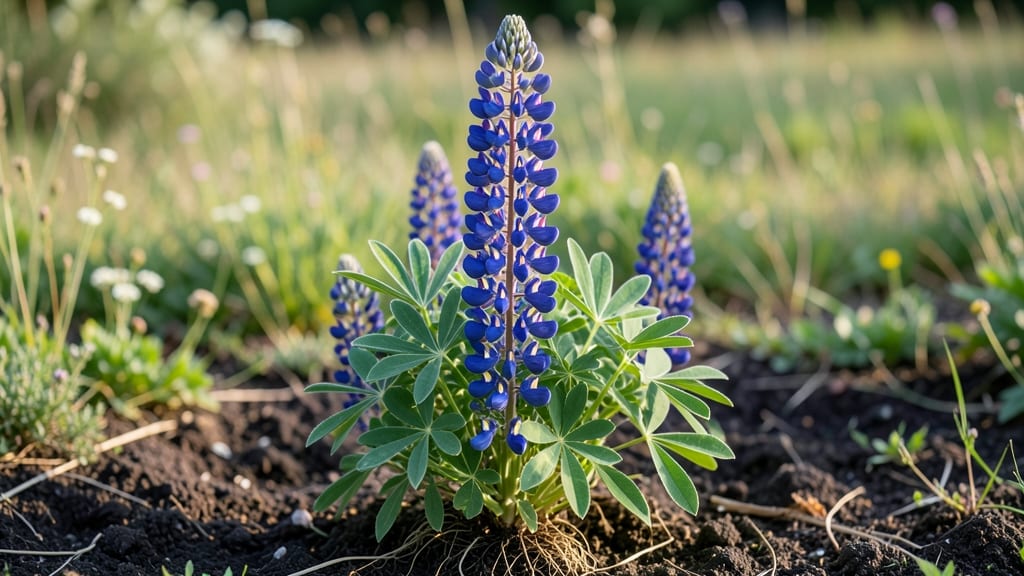
The lupine flowering season is your golden ticket to a garden that pops with color—if you know the exact timing for your variety and zone.
Picture this: mid-spring bursts of blue, purple, and pink 🌸 that turn heads and fill your yard with life. But miss the window, and you might end up with leggy stems and no blooms—or worse, flowers that fade faster than you’d like.
The key? Planting the right variety at the right time, because not all lupines bloom together.
Annual lupines like Russell Hybrids often kick off the show in early summer, while perennials such as Silver Cup may linger into late summer if you give them the right care. Regional differences matter too—cooler zones like 6a might see blooms a month earlier than warmer areas.
I’ll break down the exact months for your favorite varieties, plus how to stretch that flowering season so your garden stays vibrant longer.
Ready to unlock longer, brighter blooms? You’ll learn how sunlight, soil, and even a little pruning trick can turn a one-time show into a season-long display. Let’s get started.
When do lupines bloom? Exact flowering months by popular variety
Timing is everything when it comes to lupine blooms, and understanding the flowering season for each variety lets you plan your garden like a pro. Lupines are perennial powerhouses that reward patience with dramatic spikes of color, but their bloom windows vary wildly depending on the cultivar.
Whether you're in USDA Zone 4 or Zone 9, knowing when to expect those vibrant blue, purple, and pink spikes ensures your garden stays ahead of the curve.
Most lupine varieties bloom in late spring to early summer, but some early bloomers like Galveston Lupine push the envelope, while others like Russell Hybrids extend their show well into summer. Regional climate also plays a role—cooler zones may see blooms shift earlier, while warmer areas might enjoy a delayed but prolonged display.
Let’s break down the exact bloom months for 10 popular varieties so you can plant with confidence.
Pro Tip: For longer blooming seasons, deadhead spent flowers regularly and provide well-draining soil with a slightly acidic pH (6.0-6.5). This encourages reblooming and keeps your lupines looking their best from May through July or even later.
If you're in cooler climates (Zones 4-6), expect earlier blooms—often starting in late May—while warmer zones (7-9)
How to extend your lupine’s flowering season naturally
Lupines are stunning garden stars, but their blooms often fade faster than we’d like. The good news? With a few simple adjustments, you can naturally extend their flowering season by weeks—even months!
The key lies in mimicking their natural growing conditions and encouraging reblooming. Unlike many annuals, perennial lupines can reward you with multiple bloom cycles if given the right care.
First, let’s address the biggest misconception: lupines don’t like heavy pruning. Over-trimming can stress the plant and reduce future blooms. Instead, we’ll focus on gentle techniques that promote healthy growth without sacrificing next year’s flowers.
Ready to keep your lupines in bloom longer? Let’s dive into the proven methods that work.
-
1. Deadhead strategically
Remove spent blooms only after seed pods form—this prevents energy waste on seed production. Use clean pruning shears to snip just above the first set of leaves. -
2. Adjust soil pH to 6.0-7.0
Lupines thrive in slightly acidic to neutral soil. Test your soil and amend with lime (to raise pH) or sulfur (to lower pH) as needed. A pH of 6.5 is ideal for most varieties. -
3. Water deeply in the morning
Give lupines 1 inch of water weekly during active growth. Water at soil level (not overhead) to prevent fungal diseases. Mulch with 2-3 inches of organic matter to retain moisture. -
4. Choose reblooming varieties
Opt for perennial lupines like ‘Crystal Palace’ or ‘My Castle’, which naturally produce secondary blooms if given proper care. Annual varieties (e.g., ‘Russell Hybrids’) won’t rebloom. -
5. Plant with companion flowers
Pair lupines with drought-tolerant companions like lavender or catmint. These plants share similar water and sunlight needs, creating a harmonious ecosystem that extends the overall bloom season.
Now that you know the core techniques, let’s tackle a common question: When is the best time to prune? The answer depends on your goal. If you want to encourage a second flush of blooms, prune lightly after the first bloom cycle ends (usually mid-to-late summer).
For neat appearance, trim back by ⅓ after flowering, but avoid cutting into old wood.
One often-overlooked factor is light exposure. Lupines need 6+ hours of full sun daily to rebloom. If your plants are in partial shade, consider relocating them to a sunnier spot next year.
Even an extra 2 hours of sunlight can trigger more blooms. And remember: yellowing leaves often signal overwatering or poor drainage—adjust your watering schedule if you notice this.
For maximum impact, combine these techniques with a light spring fertilizer (5-10-10 NPK ratio). Apply it once in early spring to fuel new growth without overstimulating the plant. Avoid fertilizing during flowering, as this can reduce bloom quality.
With these adjustments, your lupines could stay in bloom from late spring through early fall—giving you a stunning, low-maintenance display all season long.
Pro tip: Keep a gardening journal to track which methods work best for your climate. Note the exact dates you prune, water, and fertilize—this will help you refine your approach each year for even longer bloom times. Happy gardening!