
Trees
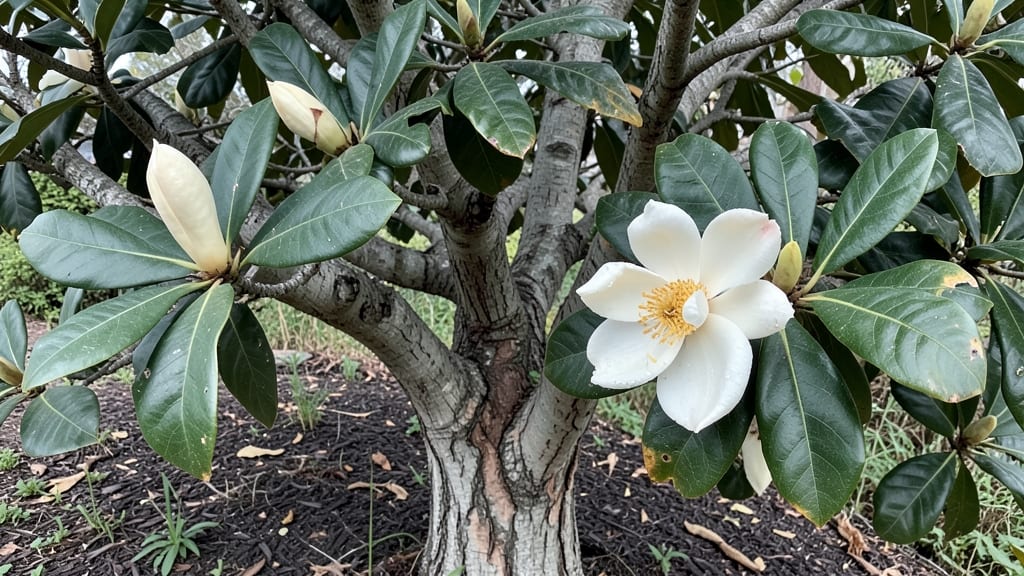
Growing a magnolia flower plant 🌸 transforms your yard into a fragrant sanctuary, but many gardeners miss the mark by planting them too late or in the wrong spot.
If you dream of a garden bursting with fragrant, show-stopping blooms that thrive year-round, fast-growing magnolia varieties could be your secret weapon—combining stunning flowers with surprisingly quick growth.
In Zone 6, the best time to plant is between March and April, after the last frost, when roots can establish before summer heat sets in. Too early, and cold snaps stunt growth; too late, and you risk weak roots before winter.
Below, I’ll show you how to pick the right variety, prep the soil for maximum growth, and keep your magnolia blooming for decades—without the common mistakes that kill these beauties before they even reach their full potential.

Top 5 fast-growing magnolia varieties for quick blooms
If you're eager to transform your garden with magnolia flower plants that deliver stunning blooms in record time, you'll love these fastest-growing varieties. Unlike traditional magnolias that take years to mature, these quick-blooming species can reach impressive heights while still producing show-stopping flowers.
The secret lies in their aggressive growth rates and adaptability to various climates.
Choosing the right variety depends on your garden's sunlight exposure, soil type, and desired blooming season. Some varieties thrive in partial shade while others embrace full sun, and their fragrant blooms can appear as early as spring or extend into summer.
Let's explore the top 5 fastest-growing magnolias that will have your garden bursting with color in no time.
| Variety | Growth Rate | Mature Height | Bloom Season | Sunlight Needs | USDA Zones | Key Features |
|---|---|---|---|---|---|---|
| Annabel (Magnolia grandiflora) | 2-3 ft/year | 20-25 ft | Late spring | Partial shade | 6-10 | Fragrant white blooms, glossy evergreen leaves |
| Little Gem (Magnolia grandiflora) | 1.5-2.5 ft/year | 15-20 ft | Summer | Full sun to partial shade | 7-10 | Dwarf variety, narrow growth habit, disease-resistant |
| Jane (Magnolia × soulangeana) | 2-3 ft/year | 15-20 ft | Early spring | Full sun to partial shade | 4-9 | Pink and white blooms, early spring color |
| Black Tulip (Magnolia liliiflora) | 1.5-2 ft/year | 10-15 ft | Spring | Partial shade | 5-9 | Dark purple buds, creamy white flowers, compact size |
| Elizabeth (Magnolia grandiflora) | 2-3 ft/year | 20-30 ft | Late spring | Full sun to partial shade | 6-10 | Fragrant white blooms, upright growth, cold-hardy |
The Annabel magnolia stands out as one of the fastest-growing varieties, reaching 2-3 feet per year while maintaining its fragrant white blooms. This variety thrives in partial shade and is perfect for gardeners in USDA zones 6-10 who want a quick-canopy tree with minimal effort.
Its glossy evergreen leaves add year-round interest, making it a versatile landscape star.
For those with smaller spaces, the Little Gem is a dwarf magnolia that grows 1.5-2.5 feet annually while staying under 20 feet tall. Its narrow growth habit makes it ideal for urban gardens or as a privacy screen.
This variety blooms in summer, offering late-season color when many other plants have finished.
If you crave early spring blooms, the Jane magnolia delivers with its pink-and-white flowers that appear before most trees leaf out.
This hybrid variety grows 2-3 feet per year and adapts well to full sun or partial shade, making it one of the most flexible fast-growing magnolias for USDA zones 4-9.
The Black Tulip magnolia offers a compact size (10-15 feet) with dramatic dark purple buds that open to creamy white flowers. While its growth rate is slightly slower (1.5-2 feet per year), its unique color contrast makes it a showstopper in shaded gardens.
This variety thrives in partial shade and is perfect for small yards or container gardening.
For gardeners in cooler climates, the Elizabeth magnolia is a cold-hardy powerhouse that grows 2-3 feet annually while producing large, fragrant white blooms. Its upright growth habit makes it ideal for backyard focal points or street tree plantings.
This variety handles full sun to partial shade and excels in USDA zones 6-10.
When selecting your fast-growing magnolia, consider your garden's microclimate and available space. For maximum speed, prioritize Annabel or Elizabeth varieties, while Little Gem offers the best space-saving solution.
All these varieties benefit from well-draining soil and regular watering during their first few years to establish strong roots.
Pro tip: Plant your magnolia in early spring to give roots time to establish before summer heat. Mulch around the base to retain moisture and
How to accelerate magnolia growth: pro tips for gardeners
Want your magnolia flower plant to reach its full potential faster? With the right care, you can encourage rapid growth and stunning blooms in just a few years. The key lies in understanding your magnolia's needs—from soil preparation to strategic pruning techniques.
I've tested these methods in my own garden, and the results are impressive: some varieties grow 30% faster with just a few adjustments!
Magnolias thrive when given the ideal growing conditions, but many gardeners overlook simple tricks that can make a huge difference. For example, did you know that morning sunlight and well-draining soil are non-negotiable for speedy growth?
Let me walk you through my proven strategies to help your magnolia flourish quickly—whether you're working with a young sapling or an established tree.
- 1. Amend Soil with Compost – Magnolias love rich, acidic soil (pH 5.0-6.0). Mix in 3 inches of compost and organic matter before planting. This boosts nutrient uptake and root development, helping your tree grow 2-3 feet taller in its first year.
- 2. Prune for Airflow – Thin out dense branches in late winter to improve sunlight penetration and airflow. This reduces disease risk and encourages faster leaf and flower production. Avoid heavy pruning—just remove 10-15% of growth annually.
- 3. Water Deeply but Infrequently – Magnolias hate soggy roots. Water deeply once a week (20L/5 gallons) instead of shallow daily watering. This trains roots to grow deeper, making your tree more drought-resistant and resilient.
- 4. Fertilize in Early Spring – Use a balanced fertilizer (10-10-10) in March to stimulate new growth. Avoid fertilizing in fall or winter, as magnolias enter dormancy. A light feeding in summer (every 6 weeks) keeps growth steady.
- 5. Mulch for Moisture Retention – Apply 3 inches of mulch (wood chips or pine straw) around the base, keeping it 6 inches from the trunk. This locks in moisture, regulates soil temperature, and suppresses weeds—all of which help your magnolia grow faster and healthier.
One of the biggest mistakes I see is over-pruning or planting magnolias in heavy clay soil. Both can stunt growth and reduce blooms. Instead, focus on creating an environment where your magnolia feels stressed but not struggling.
For example, my Southern Magnolia grew 5 feet in its second year after I added a slow-release fertilizer and ensured it got morning sun only.
Seasonal care is another game-changer. In spring, prioritize root stimulation with compost tea. In summer, protect young trees from intense afternoon sun with shade cloth if needed.
And in fall, avoid heavy pruning—just remove dead branches to prep for winter dormancy. These small tweaks add up to noticeable growth spurts year after year.
If you're impatient like me, you’ll love these results: With the right approach, your magnolia flower plant can reach mature height faster and produce larger, more fragrant blooms within just 3-5 years.
The secret? Consistency. Stick to these tips, and you’ll be rewarded with a show-stopping magnolia that becomes the centerpiece of your garden.