
Blooming
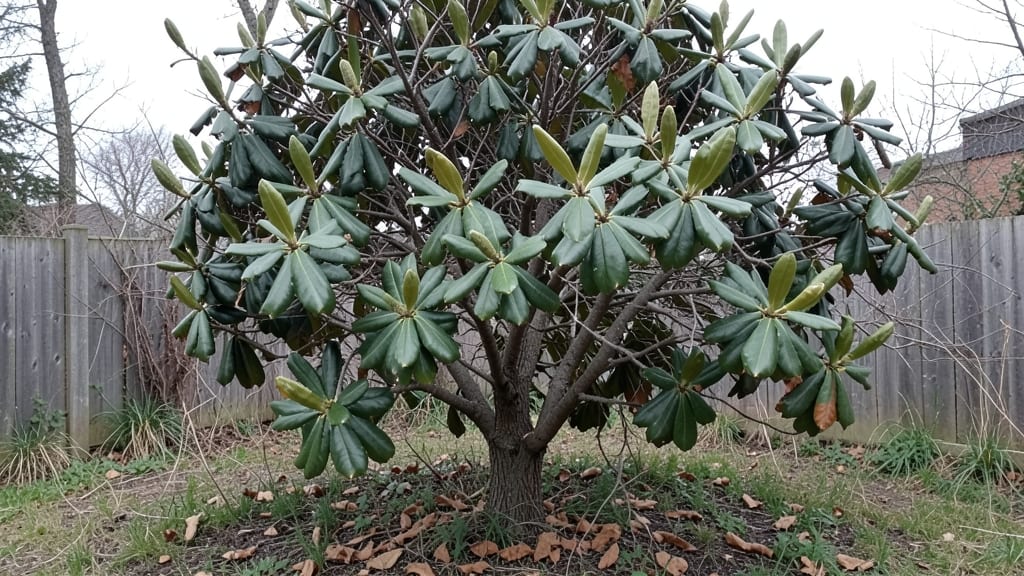
Magnolia trees not flowering can feel like a cruel joke after years of waiting for those showstopping blooms. 🌸 I’ve had my share of bare branches, and the good news is most cases aren’t hopeless—just misunderstood.
The real culprits are often overlooked care mistakes like pruning at the wrong time or not giving the tree enough sunlight.
Here’s the thing—magnolias need patience and precision. They bloom on old wood, so aggressive pruning after flowering can rob you of next year’s blooms. Too little sunlight or crowded roots also send energy underground instead of upward into flowers.
The fix starts with a simple audit: check sunlight hours, pruning timing, and soil health.
Within a season, you can coax new blooms by adjusting care. Feed with acidic fertilizer in early spring, thin out competing branches, and ensure 6+ hours of morning sun. Some varieties take 5-7 years to flower, but once they start, they’ll reward you with dramatic blooms for decades.
This works for both large specimen trees and smaller varieties. The key is consistency—no quick fixes, just steady improvements. Let’s get those buds blooming again.
Root Causes Behind Missing Blooms
Magnolias are prized for their stunning, fragrant flowers—but when they refuse to bloom, it’s often due to a mix of environmental, biological, or cultural factors. Understanding these root causes is the first step to restoring your tree’s floral glory.
Let’s break down the science behind why your magnolia might be holding back its blossoms.
###
🌱 Immaturity or Age-Related Delays
Not all magnolias bloom at the same pace. Some varieties, like Magnolia grandiflora (Southern magnolia), can take 5–10 years to produce their first flowers, while others, such as Magnolia stellata (star magnolia), may bloom sooner—sometimes within 3–5 years. If your tree is young, patience is key.
But here’s the catch: stress or poor growing conditions can further delay flowering. For example, if a young magnolia is planted in full shade or compacted soil, it may prioritize leaf and root growth over flower production.
Even mature trees (10+ years old) can revert to a "vegetative" state if they’re not thriving.
Actionable insight: If your tree is under 5 years old, focus on optimal growing conditions—it may still bloom soon!
###
❄️ Insufficient Chill Hours
Magnolias are deciduous or evergreen perennials, meaning they rely on a period of winter dormancy to trigger flowering. Most varieties need 200–1,000 chill hours (temperatures between 32–45°F (0–7°C)) to set flower buds for the following spring.
If your region experiences mild winters (e.g., <500 chill hours) or unpredictable temperature swings (like early warm spells breaking dormancy), the tree may fail to produce buds—or the buds may drop before opening. This is especially common in:
- Southern climates (e.g., Florida, coastal California)
- Urban areas with heat islands (concrete and pavement trapping warmth)
- Microclimates near heat-reflecting surfaces (e.g., dark roofs, pavement)
Scientific note: Some modern hybrids (like Magnolia × soulangeana) are bred for fewer chill hours, but they still need some dormancy to bloom reliably.
Actionable fix:
- ✅ Choose the right variety for your climate (e.g., Magnolia grandiflora for warm zones, Magnolia kobus for cooler areas).
- ✅ Mulch heavily in late fall to protect roots from temperature fluctuations.
- ✅ Avoid pruning in late winter—this can stimulate early growth and burn off potential flower buds.
###
☀️ Light or Location Missteps
Magnolias are light-demanding plants, but their needs vary by species:
| Variety | Ideal Light | What Happens in Too Little Light? |
|---|---|---|
| Magnolia grandiflora (Southern magnolia) | Full sun to partial shade (6+ hours sun) | Slow growth, no flower buds, sparse foliage |
| Magnolia stellata (Star magnolia) | Full sun to light shade (4–6 hours sun) | Bud drop, smaller or no flowers |
| Magnolia × soulangeana (Saucer magnolia) | Full sun to partial shade (6+ hours sun) | Leggy growth, delayed or no blooms |
Even if your tree gets enough sunlight, poor air circulation (e.g., planting near a fence or dense shrubs) can lead to fungal stress, which weakens the tree and reduces flowering.
Actionable fix:
- 🔍 Audit your tree’s location: Is it in a shady spot created by taller trees or buildings?
- 🌿 Thin nearby vegetation to improve airflow and light penetration.
- 📏 Consider transplanting if the site is permanently too shady (best done in early spring or fall).
###
💧 Water or Nutrient Imbalances
Flowering is an energy-intensive process, and magnolias need balanced nutrition and consistent moisture to produce buds. Here’s what goes wrong:
🚰 Overwatering or Poor Drainage
Magnolias hate soggy roots. Excess moisture leads to:
- Root rot (fungal infection blocking nutrient uptake)
- Nitrogen toxicity (lush leaves but no flowers)
- Bud drop (flowers form but fall off due to stress)
Signs of overwatering:
- Yellowing leaves (especially on lower branches)
- Mushy, dark roots when checked
- Slow growth despite frequent watering
🍽️ Nutrient Deficiencies
Magnolias need macronutrients (N-P-K) and micronutrients like magnesium, iron, and boron to set buds. Common deficiencies:
- Nitrogen (N) deficiency → Pale leaves, stunted growth, no flowers
- Phosphorus (P) deficiency → Dark green leaves, poor root/bud development
- Potassium (K) deficiency → Weak stems, bud drop, poor winter hardiness
- Boron deficiency → Blossom blast (buds form but turn black and die)
Actionable fix:
- 💦 Water deeply but infrequently: Aim for 1–1.5 inches per week (more in extreme heat). Use well-draining soil (amend with compost or sand if clay-heavy).
- 🌱 Test your soil (pH 5.0–6.5 is ideal for most magnolias). Adjust with:
- ➕ Lime if pH is <5.0 (to raise pH)
- ➖ Sulfur or peat moss
How to solve it
If your magnolia tree is stubbornly refusing to bloom, don’t despair—most issues have straightforward solutions. Below, we’ve mapped the most common causes of magnolia not flowering to actionable fixes, along with tips to keep your tree blooming beautifully for years.
Start with the likely culprit for your tree and follow the steps to coax those stunning flowers back into action.
###
🌱 Too Young or Dormant: Give It Time and Patience
If your magnolia is still in its early years or hasn’t reached maturity, it may simply need more time to produce flowers. Most magnolias take 3–5 years to bloom after planting, though some varieties (like Magnolia grandiflora) can take even longer.
How to Fix It:
✅ 📅 Wait It Out – If your tree is under 5 years old, resist the urge to prune or stress it.
Focus on healthy growth instead. ✅ 🌿 Provide Ideal Conditions – Ensure it gets 6+ hours of sunlight daily, well-draining soil, and consistent moisture (but not soggy roots). ✅ 🍃 Feed for Future Blooms – Apply a balanced, slow-release fertilizer (like 10-10-10) in early spring to encourage robust growth.
💡 Prevention Tip:
> "Plant magnolias in fall or early spring for the best establishment. Avoid transplant shock by watering deeply after planting and mulching to retain moisture."
###
☀️ Insufficient Sunlight: Move or Adjust Care
Magnolias are sun-lovers, and too little light is a top reason they skip flowering. Most varieties need full sun (6+ hours/day), though some (like Magnolia stellata) tolerate partial shade.
How to Fix It:
✅ 🌞 Check Light Exposure – Observe your tree’s location from dawn to dusk. If it’s in deep shade (e.g., under tall trees or buildings), consider relocating it. ✅ 🪓 Prune Overhead Obstructions – Trim nearby trees or shrubs blocking sunlight.
Aim for an open canopy above your magnolia. ✅ 💡 Supplement with Grow Lights – For potted magnolias or shaded spots, use full-spectrum LED grow lights (12–14 hours/day) during winter months.
🌡️ Prevention Tip:
> "Avoid planting magnolias near fast-growing trees (like willows or poplars) that will eventually steal their light. Choose a permanent, sunny spot from the start."
###
💧 Overwatering or Poor Drainage: Fix the Roots
Soggy roots or compacted soil can stress magnolias, diverting energy away from flower production. These trees prefer moist but well-draining soil—not wet feet.
How to Fix It:
✅ 🔍 Test Soil Drainage – Dig a small hole near the tree. Fill it with water—if it drains in 1–2 hours, your soil is fine. If it pools, amend it. ✅ 🏗️ Improve Drainage – Mix in compost, perlite, or coarse sand to loosen heavy clay soil.
For containers, use a fast-draining potting mix with orchid bark. ✅ 💦 Adjust Watering Habits – Water deeply 1–2 times per week (more in extreme heat). Avoid shallow, frequent watering that encourages root rot.
✨ Prevention Tip:
> "Plant magnolias on a slightly elevated mound to prevent water pooling. If your yard has poor drainage, consider a French drain or raised bed."
###
✂️ Over-Pruning or Wrong Timing: Let It Rest
Pruning at the wrong time (like late winter or early spring) can remove next year’s flower buds. Magnolias bloom on old wood, so aggressive cuts can be devastating.
How to Fix It:
✅ 📅 Prune at the Right Time – Wait until immediately after flowering (late spring/early summer) to prune. Avoid heavy cuts in fall or winter. ✅ 🌿 Remove Only Dead or Weak Growth – Use clean, sharp pruners to trim only dead, diseased, or crossing branches.
Never "thin out" a magnolia for aesthetics. ✅ 🌸 Shape Lightly – If you must reshape, limit cuts to no more than 25% of the canopy in one season.
🎯 Prevention Tip:
> "Skip rejuvenation pruning—it’s a common mistake! Magnolias hate being cut back hard. Instead, focus on selective pruning to maintain health."
###
🍄 Pests or Disease Stress: Treat Early
Scale insects, magnolia scale, or fungal diseases (like powdery mildew) can sap your tree’s energy, delaying or preventing blooms. Look for sticky residue, yellowing leaves, or black spots.
How to Fix It:
✅ 🔎 Identify the Problem – Check for:
- Scale insects (brown bumps on stems/leaves)
- Magnolia cone gall (swollen, deformed growths)
- Fungal spots (white powdery coatings or black lesions)
✅ 💦 Blast Off Pests – Spray with a hose (1,000+ PSI) to dislodge scale. Repeat weekly for 3–4 weeks. ✅ 🌿 Apply Organic Treatments –
- Neem oil (for scale/mildew) – Mix 1 tbsp per gallon of water, spray every 7–10 days.
- Horticultural oil (for stubborn infestations) – Use in dormant season (late fall/winter).
✅ 🌳 Call a Pro for Severe Cases – If your tree is heavily infested or diseased, consult an arborist for systemic treatments.
💡 Prevention Tip:
> "Prevent pests with preventative sprays in early spring (before buds swell). Keep your magnolia healthy and well-watered—stressed trees attract more pests!"
###
🌡️ Extreme Temperatures: Protect from Shock
Magnolias are sensitive to late frosts (which can kill buds) and heatwaves (which stress the tree). If your area has unpredictable weather, this could be the culprit.
How to Fix It:
✅ 🌤️ Shield from Late Frosts – Cover young trees with frost cloth when nighttime temps drop below 28°F (-2°C).
Remove it during the day. ✅ 💦 Mulch Heavily – Apply a 3–4 inch layer of mulch around the base (but not touching the trunk) to regulate soil temperature. ✅ 🌿 Choose Cold-Hardy Varieties – If you’re in a Zone 6 or colder, opt for Magnolia stellata or Magnolia 'Black Tulip', which tolerate cooler climates better.
❄️ Prevention Tip:
> *"Plant magnolias in sheltered microclimates, like near a south-facing wall or under the dappled shade
Frequently asked questions
Why does my magnolia take so long to flower?
Magnolias are patient plants! Many varieties, like the Southern magnolia, need 5–10 years to produce their first blooms. If your tree is under 5 years old, focus on giving it ideal care—6+ hours of sunlight, well-draining soil, and balanced fertilization. Patience is key!
Can I prune my magnolia to encourage more flowers?
Pruning needs timing! Magnolias bloom on old wood, so avoid heavy cuts in late winter or early spring. Instead, prune immediately after flowering (late spring/early summer) and only remove dead or weak branches. Never prune more than 25% of the canopy at once.
How do I know if my magnolia needs more sunlight?
Check for these signs: slow growth, sparse foliage, or no flower buds forming. Most magnolias thrive in full sun (6+ hours/day), though some like Magnolia stellata tolerate partial shade. If your tree is in deep shade, consider relocating it or thinning nearby trees.
What should I do if my magnolia’s buds fall off?
Bud drop often happens due to stress from overwatering, extreme temperature swings, or pest infestations. Test your soil drainage, mulch heavily in winter, and check for pests like scale insects. Apply neem oil if needed and ensure consistent moisture without soggy roots.
Are there specific fertilizers that help magnolias bloom?
Yes! Use a balanced, slow-release fertilizer (like 10-10-10) in early spring to encourage healthy growth. For extra bloom support, add a phosphorus-rich fertilizer (like 5-10-5) in late winter. Always water deeply after fertilizing to help roots absorb nutrients.