
Mower
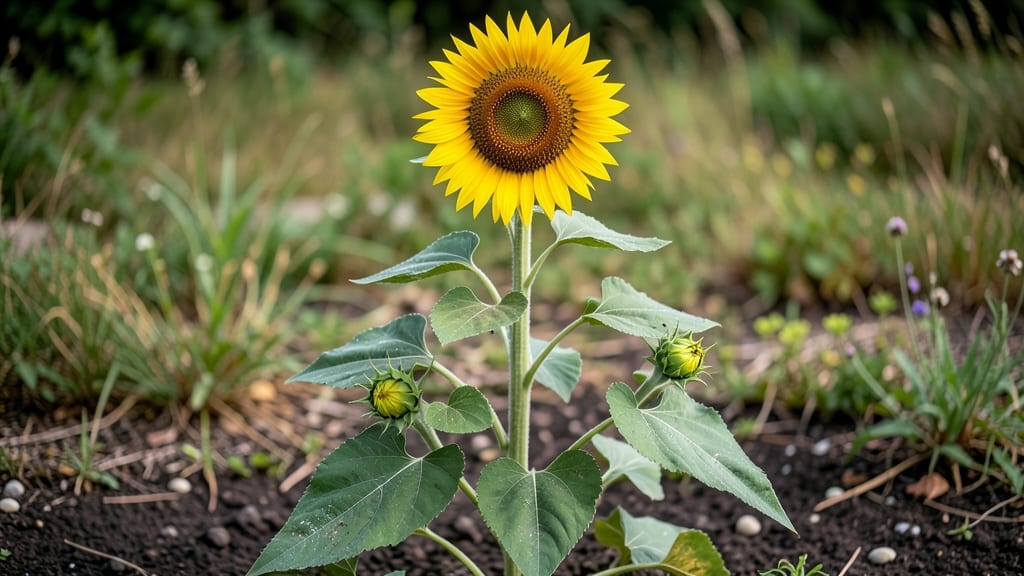
The Mammoth Russian sunflower height can reach an impressive 10 to 14 feet, making it a standout feature in any garden—but only if you give it the right conditions.
If you’re dreaming of towering sunflowers that turn heads and fill your garden with golden blooms, the Mammoth Russian sunflower could be your perfect match—but first, you need to know how tall they really grow and how to give them the space they crave.
These giants aren’t just about height; they thrive in full sun and well-drained soil, and their sturdy stems need proper spacing to avoid flopping under their own weight.
In this guide, I’ll break down everything you need to know—from ideal planting times in Zone 6a to spacing tips and troubleshooting common issues—so you can grow a sunflower that’s truly unforgettable.

How tall do Mammoth Russian sunflowers grow? (Real height expectations)
If you’re dreaming of towering sunflowers that turn heads and fill your garden with golden blooms, the Mammoth Russian sunflower could be your perfect match—but first, you need to know how tall they really grow.
These giants are famous for their impressive stature, but their exact height depends on several factors, including soil quality, sunlight exposure, and variety-specific genetics.
On average, you can expect Mammoth Russian sunflowers to reach between 10 to 16 feet tall, with some exceptional specimens even surpassing that range under ideal conditions. Understanding these height expectations will help you plan your garden layout and provide the care these sunflowers deserve.
Before planting, it’s crucial to recognize that Mammoth Russian sunflowers are not just tall—they’re also heavy, with stems that can weigh 20+ pounds when fully mature. This means they require sturdy soil and proper support to avoid flopping over, especially in windy conditions.
If you’re envisioning a dramatic focal point in your garden, these sunflowers will deliver—but only if you give them the right conditions to thrive. Let’s break down the real height expectations and what influences their growth.
| Factor | Height Range | Notes |
|---|---|---|
| Average Mature Height | 10–14 feet | Most common range for healthy plants. |
| Maximum Possible Height | 16+ feet | Achievable with exceptional care and genetics. |
| First-Year Growth | 6–8 feet | Young plants grow slower; full height reached in subsequent years. |
| Soil Impact | ±2–4 feet | Rich, well-drained soil can add significant height; poor soil stunts growth. |
| Sunlight Needs | 6+ hours daily | Full sun maximizes height; partial shade reduces growth by 30–50%. |
The average height of a Mammoth Russian sunflower is often cited as 10 to 14 feet, but this can vary widely based on growing conditions.
For example, if you’re planting in USDA Zone 6 or higher, where summers are long and warm, you’ll likely see plants on the taller end of the spectrum. In cooler climates, like Zone 5, growth may be slightly stunted, with heights closer to 8 to 12 feet.
To push your sunflowers toward their maximum potential of 16 feet, focus on soil fertility, consistent watering, and optimal sunlight exposure. These factors work together to create the perfect environment for your sunflowers to reach their towering heights.
One of the most critical factors affecting height is soil quality. Mammoth Russian sunflowers thrive in well-draining, nutrient-rich soil with a pH between 6.0 and 7.0. If your soil is clay-heavy or compacted, roots struggle to expand, limiting the plant’s ability to absorb water and nutrients.
To maximize height, amend your soil with compost or aged manure before planting. I’ve found that adding a balanced fertilizer (like a 10-10-10 NPK) at planting time gives my sunflowers a strong start, often resulting in 2–4 feet taller plants compared to those grown in unamended soil.
Don’t skip this step—it’s a game-changer for height!
Another key factor is sunlight exposure. These sunflowers are sun-worshippers and require at least 6 hours of direct sunlight per day to reach their full height. If you’re planting in a partial shade location, expect your sunflowers to grow 30–50% shorter than their full-sun counterparts.
For example, a sunflower that would normally reach 12 feet in full sun might only grow to 6–8 feet in partial shade. To ensure your sunflowers get the light they need, plant them in the sunniest spot in your garden, ideally facing south in the Northern Hemisphere.
If space is limited, consider using reflective surfaces (like white walls or mulch) to bounce extra light onto your plants.
Even with perfect soil and sunlight, genetics play a role in how tall your Mammoth Russian sunflowers will grow. Some heirloom varieties or specific seed strains are bred to grow taller than others. For instance, the ‘Mammoth’ variety from Russian seed sources often outperforms American-bred varieties in height.
If you’re serious about growing the tallest sunflowers possible, look for reputable seed suppliers that specialize in heirloom or Russian-bred sunflowers. I’ve had the best success with seeds from Baker Creek Heirloom Seeds or Richters, where the plants consistently reach 14–16 feet with proper care.
Always check the seed packet for height expectations—some may specify “taller than average” or **“giant
Best spacing for Mammoth Russian sunflowers to prevent overcrowding
If you’ve ever planted Mammoth Russian sunflowers and watched their stems lean or their blooms stay small, you’ve likely fallen victim to overcrowding. These giants need room to stretch their 12–16-foot-tall stems without competing for nutrients or sunlight.
The key to their towering success? Proper spacing—starting from the moment you drop those seeds into the soil.
Most gardeners make the mistake of treating sunflowers like smaller annuals, planting them too closely together. But Mammoth Russians aren’t just tall—they’re wide at the base, with sprawling root systems that demand 18–24 inches of space between each plant.
Skimp on this, and you’ll end up with weak stems, fewer blooms, and a garden that looks more like a sunflower jungle than a showstopper display.
- 📏 18–24 inches apart is the gold standard for Mammoth Russians in full-sun gardens. This prevents root competition and allows stems to grow straight.
- 🌱 For container growing, space seeds 12 inches apart in large pots (18+ inches wide) to avoid stunted growth from root binding.
- 📐 In rows, plant seeds 24 inches apart with 36 inches between rows to accommodate their wide canopies and prevent shading.
- 🚫 Avoid planting closer than 12 inches—this leads to flopping stems and pale, undersized blooms due to nutrient starvation.
- 🌿 Use stakes or cages (6–8 feet tall) if you’re pushing the spacing limit to 24 inches—this gives stems extra support as they reach for the sky.
Calculating spacing for your garden layout is easier than you think. Start by measuring your garden bed’s total width and dividing it by 24 inches (the maximum recommended spacing). For example, a 6-foot-wide bed (72 inches) can fit 3 plants with 12 inches of extra space on each end.
If you’re planting in containers, ensure each pot has at least 18 inches of diameter to avoid root competition.
One of the biggest mistakes I see is planting sunflowers too densely in rows. While this might work for shorter varieties, Mammoth Russians need breathing room to develop strong stems.
If you’re short on space, consider interplanting them with shorter flowers like marigolds or zinnias, which won’t compete for sunlight. Just avoid planting them next to tall tomatoes or corn, which can shade them out before they reach their full height.
Pro tip: If you’re growing Mammoth Russians in windy areas, increase spacing to 30 inches to prevent stems from leaning or snapping under gusts. A little extra room now means fewer floppy stems and more show-stopping blooms come summer.
And remember—well-spaced sunflowers aren’t just about looks. They bloom larger, produce more seeds, and stand taller than their crowded cousins.
Give your Mammoth Russians the space they deserve, and you’ll be rewarded with sunflowers that rival a skyscraper—not just in height, but in vibrant color and robust health. Happy planting! 🌻