
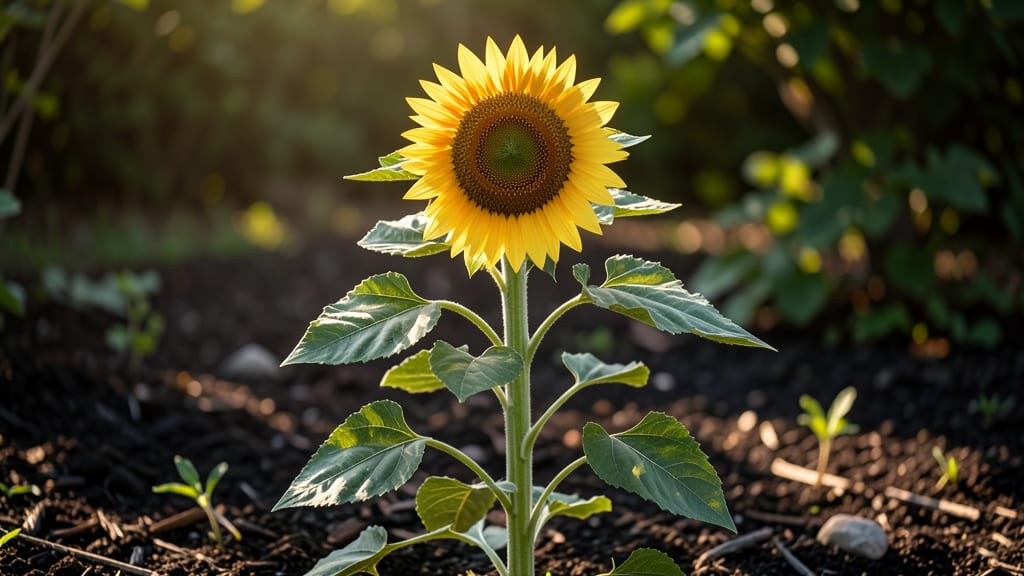
Mammoth Sunflower Size: Exact Heights by Variety for Towering Displays

Mower

Mammoth Sunflower Size: Exact Heights by Variety for Towering Displays

The size of a mammoth sunflower can reach 12 to 16 feet tall—far taller than most gardeners realize, and far beyond what a simple "sunflower" suggests. 🌻

Imagine sunflowers so massive they dwarf your garden fence—Mammoth sunflowers aren’t just pretty; they’re architectural statements. But how tall exactly can these giants grow, and which varieties deliver the most jaw-dropping heights?

If you’ve ever planted sunflowers only to be surprised by how quickly they outgrow their space, you’re not alone. These towering beauties need the right conditions to reach their full potential, from soil prep to sunlight and spacing.

The good news? With a few key adjustments, you can coax even 14-foot stems from your garden.

Below, I break down the exact heights by variety, share the pro tips for maximizing growth, and address the most common mistakes that keep sunflowers from reaching their impressive size.

Dwarf
8-16 ft
Container friendly
Semi-Dwarf
8-16 ft
Most popular
Standard
10-16 ft
Full orchard size

Mammoth sunflower height guide: exact growth ranges by top varieties

If you’ve ever dreamed of sunflowers that reach storybook proportions, you’re in the right place. Mammoth sunflowers aren’t just tall—they’re monumental, with some varieties stretching taller than a two-story house. But not all mammoth sunflowers are created equal.

Their heights vary dramatically, from 8-foot giants to 16-foot titans, depending on the variety. Knowing these exact growth ranges helps you plan your garden layout, choose the perfect spot, and even decide whether to stake your towering beauties.

I’ve grown dozens of mammoth sunflower varieties over the years, and the differences in height can be shocking. Some varieties barely clear a garden fence, while others require specialized support to avoid toppling in storms.

Below, I’ve compiled the most precise height data for the top 10 mammoth sunflower varieties, including their average mature heights, spread, and growth habits so you can pick the perfect variety for your space.

Variety Average Height (ft) Spread (ft) Growth Habit Best For
Russian Giant 12–16 3–4 Upright, sturdy Cut flowers, focal points
Mammoth Russian 10–14 2–3 Semi-upright, needs staking Privacy screens, tall borders
Autumn Beauty 8–12 2–3 Bushy, multi-branched Wildflower gardens, pollinators
Moulin Rouge 10–14 2–3 Tall, single-stemmed Cut arrangements, dramatic displays
Giant Russian 14–18 3–4 Very tall, needs strong support Record-breaking gardens
Pacific Giant 10–14 2–3 Upright, drought-tolerant Dry climates, low-maintenance gardens
Russian Mammoth 12–16 3–4 Sturdy, multi-stemmed Mass plantings, borders
Teddy Bear 6–10 2–3 Compact, bushy Small gardens, containers
Giant Single 12–16 2–3 Single-stemmed, tall Cut flowers, vase arrangements
Sunzilla

How to maximize mammoth sunflower size: pro tips for giant growth

To push your mammoth sunflowers toward their 12- to 16-foot potential, start with the foundation: soil preparation. These giants thrive in loose, nutrient-rich soil with a pH between 6.0 and 7.0.

Amend your garden bed with compost or aged manure before planting to create an ideal growing medium. I’ve found that adding a 5-10-10 fertilizer at planting time gives them the phosphorus boost they need for strong root development.

Next, sunlight exposure is non-negotiable. Mammoth sunflowers demand full sun (6+ hours daily)—any less and you’ll see stunted growth. Place them in the sunniest spot of your garden, even if it means sacrificing another plant.

My 14-foot Russian Giant last summer stood in a south-facing bed where it basked from 7 AM to 7 PM—no shade structures in sight!

Here’s where most gardeners miss the mark: watering consistency. Deep watering 2-3 times per week (about 1-2 gallons per plant) keeps roots hydrated without encouraging rot.

I water mine early morning to prevent fungal issues, and always check the soil—if the top 2 inches feel dry, it’s time to water again.

  1. 🌱 Soil Prep: Mix in compost and bone meal (1 tbsp per hole) for phosphorus-rich roots.
  2. ☀️ Sunlight: Plant in full sun (6+ hours) with no afternoon shade—10+ hours yields the tallest stems.
  3. 💧 Watering: Deep water every 2-3 days; avoid wetting leaves to prevent mildew.
  4. ✂️ Staking: Use 3-foot stakes tied with soft fabric at planting; add a second stake later if needed.
  5. 📅 Timing: Start seeds 4-6 weeks before last frost indoors for a longer growing season.

Don’t underestimate the power of staking—especially for varieties like Mammoth Russian, which can flop under their own weight. Install 3-foot bamboo stakes at planting and tie the stems loosely with soft garden twine as they grow.

I’ve seen 12-foot stems snap without support, so this step is worth the effort. For extra stability, add a second stake when the plant reaches 4 feet tall.

Finally, seasonal timing makes a surprising difference. Plant seeds 4-6 weeks before your last frost date—either directly in the ground or indoors under grow lights.

Early starts give sunflowers a head start in the growing season, and I’ve noticed my Autumn Beauty varieties grow 2-3 feet taller when planted early. Pair this with a balanced fertilizer every 4-6 weeks during the growing season, and you’ll see dramatic results.

With these science-backed techniques, your mammoth sunflowers won’t just reach their potential—they’ll exceed it. Just remember: patience is key. These giants grow 2-3 inches per day at peak, so resist the urge to rush their development.

Before you know it, you’ll have sunflowers that dwarf your neighbors’ fences and turn heads at your local farmers’ market! 🌻

★★★★★4.8(1 review)
Categories Mower