
Flowers
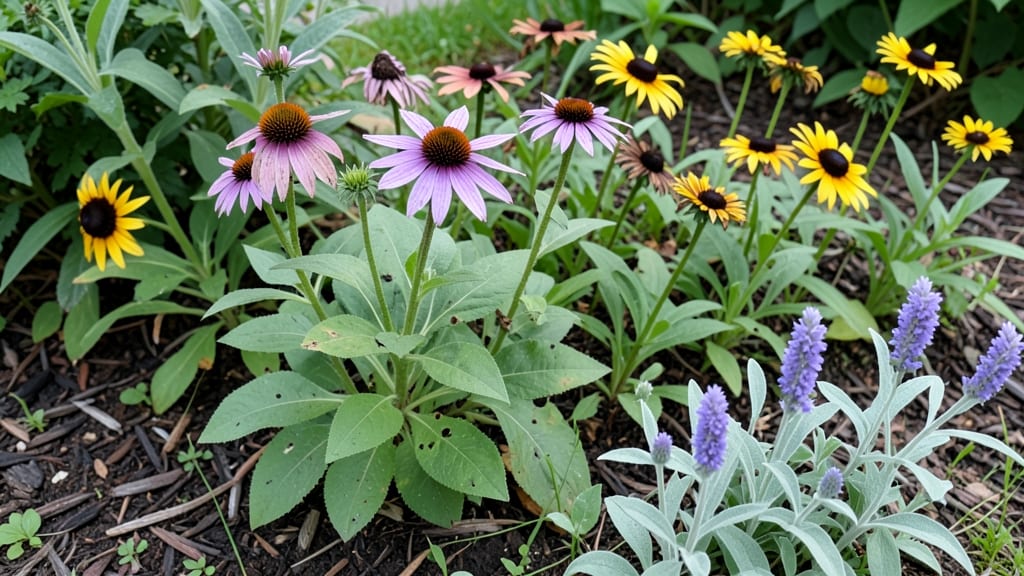
A mixed flower garden isn't just pretty—it's a living tapestry that dances through every season, even when you're not constantly fussing over it. I designed mine after three years of struggling with patchy blooms and weeds that took over faster than I could pull them.
The key? Layering plants by height, color, and bloom time so they never leave you staring at bare soil.
Start with a sunny spot (at least 6 hours of light daily) and a simple layout: tall blooms in the back, mid-height in the middle, and spillers like alyssum or lobelia at the front.
My go-to low-maintenance combo includes black-eyed Susans (summer sun), Russian sage (drought-tolerant purple), and heuchera (year-round foliage). These plants handle neglect, spread slowly, and attract pollinators without needing deadheading every week.
By late spring, you'll have a garden that looks like a postcard—vibrant pink coneflowers nodding beside lavender that smells like a Provence summer. The real magic happens in fall when sedum bursts into starry clusters and chrysanthemums take over the color show.
Even winter brings texture with ornamental grasses and evergreen heather.
This isn't about perfection—it's about creating a space that thrives with you, not against you. The first year might look a little rough, but by year two, you'll have a self-sustaining display that neighbors will ask about. Let's make it happen without the stress.
📚 In This Guide
- What you need
- Instructions
- Tips and common mistakes
- Wrapping up and next steps
What you need
- ● Flower bulbs/seeds: Choose a mix of perennials and annuals for continuous color. Aim for at least 10-15 varieties (e.g., tulips, daffodils, coneflowers, black-eyed Susans, and pansies). Opt for disease-resistant and low-maintenance species.
- ● Soil amendments: Compost (5-10 lbs per 10 sq ft) for nutrients
- ● Peat moss or coconut coir (2-3 lbs per 10 sq ft) for drainage
- ● Slow-release fertilizer (10-20 lbs per 100 sq ft, 10-10-10 NPK ratio)
- ● Mulch: Shredded bark or straw (2-3 inches deep) to retain moisture and suppress weeds.
- ● Hand trowel (for planting bulbs/seeds)
- ● Garden fork (for turning soil)
- ● Pruners (sharp, bypass-style for clean cuts)
- ● Watering can or hose with a gentle spray nozzle
- ● Garden gloves (to protect your hands)
- ● Measuring tape (to plan spacing)
- ○ Optional but helpful: Wheelbarrow (for hauling soil/amendments)
- ● Kneeling pad (for comfort)
- ● Soil pH test kit (to ensure optimal growing conditions)
- ● Sunlight assessment: Identify areas with full sun (6+ hours/day), partial shade (3-6 hours), or full shade (<3 hours) to match flower varieties.
- ● Garden layout plan: Sketch your space (include dimensions and sunlight zones). Group flowers by height, color, and bloom time for a cohesive look.
- ● Water source access: Ensure your garden is within reach of a hose or irrigation system.
- ● Local climate knowledge: Check your USDA hardiness zone to select cold-hardy or heat-tolerant plants.
Instructions for designing a low-maintenance mixed flower garden
Here’s how I create vibrant, resilient flower beds that thrive with minimal effort.
Plan Your Layout for Season-Long Interest
Start by sketching your garden space on paper, noting sunlight patterns throughout the day. Group plants by height—tall perennials like coneflowers or black-eyed Susans at the back, mid-height blooms like coreopsis or salvia in the middle, and low-spreading annuals like alyssum or sweet alyssum in front. This ensures every season has something in bloom, from early spring bulbs like daffodils to late-summer asters.
I always allocate 2-3 feet of space per plant at maturity to prevent overcrowding, which reduces competition for nutrients and water. For a 4-foot-wide bed, I typically plant 8-10 plants spaced evenly. Use a tape measure to mark planting spots—this precision prevents gaps and ensures a polished look.
Prepare the Soil for Healthy Roots
Remove weeds and grass from the planting area, digging down 6-8 inches to loosen compacted soil. Amend the soil with 2-3 inches of compost (work it into the top 6 inches) to improve drainage and fertility. If your soil is heavy clay, mix in 1 part perlite or coarse sand to 3 parts soil—this prevents waterlogging and root rot.
Test the soil pH if possible; most mixed flower gardens thrive in slightly acidic to neutral soil (6.0-7.0). If your soil is too alkaline, add elemental sulfur according to package instructions. Avoid over-fertilizing—too much nitrogen promotes leafy growth at the expense of blooms. A light application of 5-10-10 fertilizer at planting is usually sufficient.
Plant for Year-Round Color and Texture
Begin by planting perennials first, as they establish deeper roots. Dig holes twice as wide as the root ball but no deeper—this encourages roots to spread horizontally. Gently remove plants from their containers and tease apart any circling roots. Place each plant in its hole, backfilling with soil and pressing firmly to eliminate air pockets.
Add annuals or biennials in late spring after the last frost, choosing varieties with staggered bloom times. For example, pair early bloomers like pansies with late-season asters to ensure continuous color. Water deeply after planting to settle the soil and encourage root growth. Mulch with 2-3 inches of shredded bark or straw to retain moisture and suppress weeds—just keep mulch 2 inches away from plant stems to prevent rot.
Water and Maintain for Long-Term Success
Water newly planted flowers deeply once a week, aiming for 1 inch of water per week (including rainfall). Use a soaker hose or drip irrigation to deliver water directly to the roots, reducing evaporation and fungal diseases. Early morning is the best time to water—this allows foliage to dry before evening, minimizing mildew risks.
Deadhead spent blooms regularly to encourage more flowers and prevent self-seeding where you don’t want it. For perennials, cut back foliage in late fall or early spring, leaving 2-3 inches of stem to protect emerging buds. Divide clumps every 3-4 years to rejuvenate plants and maintain vigor. A little pruning now saves hours of cleanup later.
Adjust and Refresh Over Time
Every 2-3 years, assess your garden’s performance. Replace any struggling perennials with new varieties or fill gaps with annuals for instant color. Rotate plants to prevent soil depletion—move half the perennials to a new spot in the bed while keeping the other half in place for continuity.
Add slow-release fertilizer in early spring to support new growth, but avoid heavy feeding in late summer—this can stimulate tender new shoots that won’t survive frost. Keep a garden journal to track what thrives (or flops) each year. Over time, you’ll refine your mix to create a self-sustaining garden that requires minimal effort but maximum impact.
Tips & tricks for perfect mixed flower garden design
Creating a thriving mixed flower garden takes more than just throwing plants into the ground—it's about strategic planning and understanding plant behavior. Here are the key insights that make all the difference between a mediocre bed and a showstopping display.
The Layering Technique: In Step 1, when planning your layout, think vertically as well as horizontally. The height differentiation isn't just about aesthetics—it creates microclimates where taller plants protect smaller ones from harsh winds while allowing sunlight to reach all levels. I've found that adding a third layer of medium-height grasses like feather reed grass (around 3-4 feet tall) creates additional texture and movement in the garden without competing with the flowers for space.
Soil Preparation Shortcuts: For Step 2, if you're working with particularly compacted soil, consider renting a rototiller for the initial 6-8 inch dig—it saves hours of backbreaking work. Another time-saver: mix your compost and perlite/sand directly into the top 6 inches using a broadfork instead of a shovel. This preserves soil structure while still improving drainage. The key is working the amendments into the top 6 inches where most roots will grow.
Planting Precision: When you're planting in Step 3, use a small garden trowel to create a shallow well around each hole—this helps direct water straight to the roots during your initial watering. I also recommend placing a handful of compost in the bottom of each hole before adding the plant. This gives roots an immediate nutrient boost while they establish. For container plants, gently squeeze the sides of the pot to encourage roots to spread outward before planting.
Seasonal Maintenance Calendar: Mark your calendar now for these critical dates: early spring (slow-release fertilizer), late spring (annual planting), mid-summer (deadheading), late fall (cutting back perennials), and every 3-4 years (plant rotation). This prevents maintenance from becoming overwhelming by spacing out tasks throughout the year. I keep a small garden notebook with these dates to avoid missing key windows.
Pro Tips for Mixed Flower Garden
- Creating a thriving mixed flower garden takes more than just throwing plants into the ground—it's about strategic planning and understanding plant behavior.
- The Layering Technique: In Step 1, when planning your layout, think vertically as well as horizontally.
- Soil Preparation Shortcuts: For Step 2, if you're working with particularly compacted soil, consider renting a rototiller for the initial 6-8 inch dig—it saves hours of backbreaking work.
Frequently asked questions
Got questions about creating and maintaining a mixed flower garden? You’re not alone—this vibrant approach to gardening can spark curiosity! Here are some common queries (and answers) to help you get started with confidence.
What’s the best time to plant a mixed flower garden?
The ideal time depends on your climate! In most regions, spring (after the last frost) or early fall are perfect for planting annuals and perennials. For cooler climates, late spring is best to avoid winter damage. Always check your local frost dates and plant hardy perennials first—they’ll establish roots before summer heat hits.
How often should I water a mixed flower garden?
Consistency is key! Most mixed flower gardens need 1–1.5 inches of water per week, including rainfall. Water deeply early in the morning to reduce evaporation and fungal risks. Mulch around plants to retain moisture. If your soil drains poorly, water more frequently but less deeply to avoid root rot.
Can I grow a mixed flower garden in containers?
Containers work great for small spaces or balconies. Choose compact varieties like petunias, geraniums, or dwarf zinnias, and use well-draining potting mix. Ensure containers have drainage holes and rotate them weekly for even sunlight. For larger gardens, opt for deep pots (12+ inches) to accommodate root growth.
How do I attract pollinators to my mixed flower garden?
Pollinators love diversity! Plant native flowers like lavender, coneflowers, and bee balm, plus bright colors (yellow, purple, and blue) that stand out. Avoid pesticides, and add a shallow water source (like a birdbath). Group flowers in clusters to make it easier for bees and butterflies to navigate.
What should I do to prepare my mixed flower garden for winter?
Prep early! Cut back spent annuals, but leave perennials for insulation. Add a 2–3 inch layer of mulch (straw or leaves) to protect roots. In cold zones, wrap tender plants with burlap or use frost blankets. Prune dead foliage in spring to encourage new growth. A little prep goes a long way!
Wrapping up and next steps
A mixed flower garden isn’t just about beauty—it’s about creating a vibrant, low-maintenance haven that brings joy year-round! 🌸 By blending perennials, annuals, and seasonal blooms, you’ll enjoy effortless color, wildlife support, and a space that feels like a breath of fresh air.
Start small, experiment with textures, and let your garden evolve naturally.
Ready to dive in? Pick one corner of your yard this weekend, grab a few plants (or seeds!), and begin your blooming adventure. Every gardener starts somewhere—and your future garden will thank you! 🌱