
Blooming
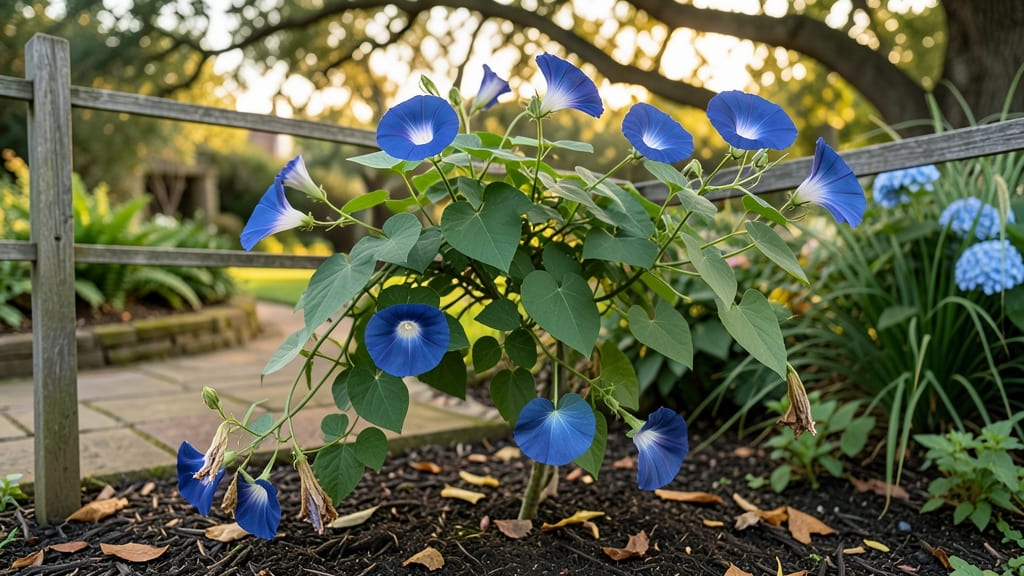
The morning glory flower season bursts into life in summer, transforming gardens into cascades of color overnight—but their timing depends on your variety and climate zone.
If you’ve ever watched morning glories burst into vibrant blooms overnight, you know their fleeting beauty is worth planning for—but timing is everything.
Whether you’re a seasoned gardener or a curious beginner, knowing the morning glory flower season for your variety and climate zone can mean the difference between a stunning display and a missed opportunity.
In USDA Zone 6a, like many temperate regions, these annual climbers typically unfurl their trumpet-shaped blooms from July through August, though early varieties may start as soon as June.
Warmer zones, like the South, can enjoy blooms stretching into September, while cooler areas might see a shorter peak season.
Below, I’ll break down how to align your planting with your local climate, extend the flowering period, and even turn your morning glories into self-seeding stars for next year’s garden.
Morning glory bloom seasons by popular varieties and their unique traits
Morning glories are famous for their overnight blooms, but not all varieties follow the same schedule. Some burst into color in early summer, while others linger through fall—if you know which to plant.
The morning glory flower season varies dramatically between annual and perennial types, with vine lengths, colors, and self-seeding habits playing key roles in your garden plan.
Annual morning glories like 'Heavenly Blue' typically bloom from late spring to early fall, while perennials in warmer zones (like 'Black Night') may produce sporadic blooms year-round. Understanding these differences helps you time your plantings for maximum impact and avoid gaps in your garden’s color palette.
🌸
| Variety | Bloom Season | Peak Months | Vine Length | Color Trend | Self-Seeding? |
|---|---|---|---|---|---|
| 'Heavenly Blue' | Annual | June–September | 10–15 ft | Sky blue | Yes (aggressive) |
| 'Fountain of Heaven' | Annual | May–October | 8–12 ft | Pink/white | Moderate |
| 'Black Night' | Perennial (Zones 9–11) | April–November | 12–15 ft | Deep purple | Yes (spreads) |
| 'Scarlet O’Hara' | Annual | July–September | 10–12 ft | Crimson red | Yes (vigorous) |
| 'Star of Bethlehem' | Annual | June–August | 6–10 ft | White with blue center | Light (controlled) |
'Heavenly Blue' is the gold standard for long-blooming annuals, with flowers opening from June through September in most climates. Its 10–15-foot vines make it perfect for trellises or fences, but be warned—its aggressive self-seeding can turn your garden into a morning glory jungle if left unchecked.
The 'Fountain of Heaven' variety stands out with its pink-and-white blooms and a slightly shorter peak season (May–October). Its 8–12-foot vines are ideal for smaller spaces, and its moderate self-seeding makes it easier to manage than 'Heavenly Blue'. Plant it near a south-facing wall to maximize sunlight exposure.
For perennial options, 'Black Night' thrives in USDA Zones 9–11 and blooms nearly year-round, though its deep purple flowers peak in spring and fall. Its 12–15-foot vines are stunning but require sturdy support, and its spreading habit means it can overtake smaller gardens if not pruned.
'Scarlet O’Hara' delivers a bold red display from July to September, making it a favorite for late-summer color. Its 10–12-foot vines are vigorous, and like most annuals, it self-seeds prolifically. Save seeds from your healthiest plants to ensure next year’s blooms match their intensity.
The 'Star of Bethlehem' variety is a shorter-season bloomer, thriving from June to August with delicate white-and-blue flowers. Its 6–10
How climate Zones affect morning glory flowering times (USDA guide)
Morning glories thrive in warm weather but struggle with frost and extreme heat. Your USDA zone determines when to plant for the best blooming season. In Zones 3–5, cool springs delay germination, while Zones 9–11 allow year-round growth with proper care.
Understanding these differences ensures your vines burst into color at the right time.
Most morning glory varieties are annuals, meaning they complete their life cycle in one season. However, in Zones 8–11, some may self-seed and return the following year.
In colder zones, treat them as true annuals and replant each spring. The key is aligning your planting schedule with your zone’s last frost date and average summer temperatures.
Here’s how to adjust your planting timeline based on your climate zone for maximum blooms:
In Zones 3–5, morning glories are frost-sensitive, so wait until soil temperatures reach 60°F+ before planting. Use row covers for early starts to protect tender seedlings.
In contrast, Zones 9–11 offer longer growing seasons, but afternoon heat can stress plants. Provide dappled shade during peak sun hours to maintain vibrant blooms.
To extend the blooming season in cooler zones, try succession planting every 2–3 weeks. In warmer zones, focus on consistent watering and deadheading spent blooms to encourage new flowers. With the right timing, your morning glories can bloom from early summer well into fall, creating a stunning vertical display.
Pro tip: Save seeds from your best-performing vines for next year’s garden. Morning glories are prolific self-seeders, making them easy to propagate naturally. Just let a few flowers fade and dry on the vine before collecting the seed pods.