
Flowers
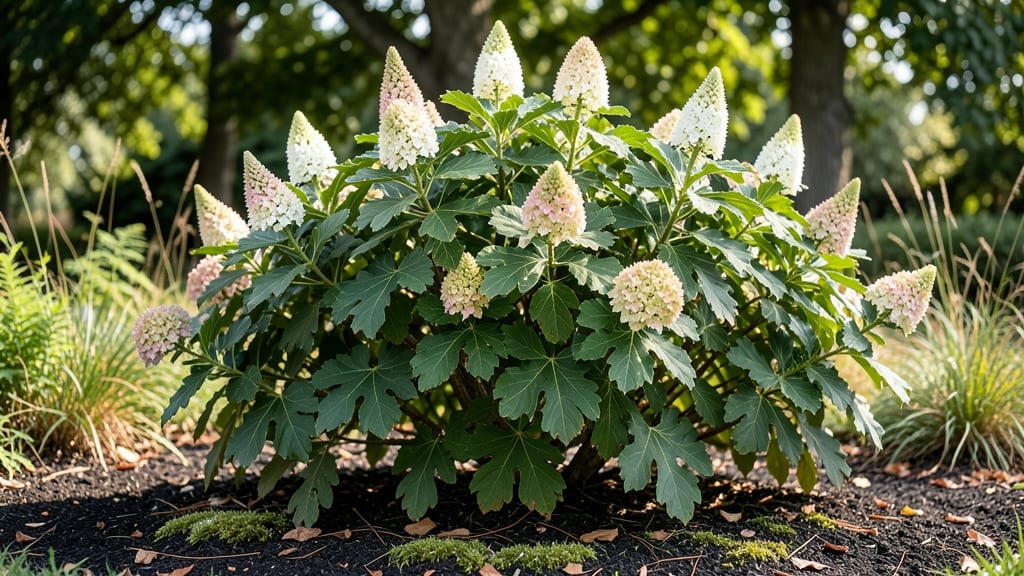
Growing an oakleaf hydrangea flower 🌸 means unlocking its year-round beauty—from delicate spring blooms to fiery fall foliage—but only if you prune it right.
Most gardeners focus only on the flowers and end up cutting back too much, which strips away the bold leaves that make this shrub a standout. The secret? A two-part pruning approach that balances blooms and foliage, and it starts with knowing when to make those cuts.
In this guide, I’ll walk you through the exact timing and techniques to keep your oakleaf hydrangea thriving, whether you’re a beginner or a seasoned gardener. You’ll learn how to avoid common mistakes that weaken the plant and how to shape it for maximum impact—without sacrificing next year’s flowers.
Ready to transform your garden with lush, vibrant foliage and stunning blooms? Let’s get started with the pruning secrets that make all the difference.
When and how to prune oakleaf hydrangeas for maximum blooms and foliage
The oakleaf hydrangea (Hydrangea quercifolia) thrives on precise pruning to maintain its show-stopping flowers and vibrant fall foliage. Unlike other hydrangeas, it blooms on old wood and new wood, making timing critical.
Prune too early or too late, and you risk sacrificing next year's blooms or the stunning crimson fall leaves that make this shrub legendary. The secret? A two-step pruning approach—one for flowers, one for foliage—executed at the right moments.
Most gardeners focus only on flower production, but oakleaf hydrangeas reward you with year-round interest if you balance both goals. Start by understanding your plant’s growth cycle: late winter is for shaping, while late summer is for cleanup.
This dual strategy ensures you never prune away potential blooms while still keeping your shrub looking tidy. Let’s break it down into actionable steps, because even experienced gardeners sometimes get this wrong.
⚠️ PRO TIP: Always use clean, sharp pruners (bypass pruners work best) to avoid tearing branches, which invites disease. Disinfect blades with rubbing alcohol between cuts to prevent spreading pathogens. Oakleaf hydrangeas are tough, but they’ll thank you for the care.
Step-by-Step Oakleaf Hydrangea Pruning Guide
-
1
Late Winter Pruning (Dormant Season)
Timing: February–March (after last frost but before buds swell)
Remove dead, diseased, or crossing branches to improve airflow. Cut back 1/3 of the oldest stems to encourage new growth. This stimulates new wood blooms for next summer while preserving old wood flowers that form on remaining stems. -
2
Summer Pruning (Post-Bloom)
Timing: July–August (after flowers fade but before fall)
Cut back spent flower clusters to the nearest bud or leaf node. Avoid heavy pruning—just tidy up to maintain shape. This prevents energy drain and ensures vibrant fall foliage by redirecting nutrients to leaves instead of seeds. -
3
Avoid Fall Pruning
❌ Never prune in fall—it stimulates tender new growth that can’t survive winter.
Focus on mulching (3–4 inches of organic mulch) to protect roots. Pruning in fall risks winter dieback and reduces next year’s blooms by removing potential flower buds. -
4
Shape for Foliage Impact
Use thinning cuts to open the center of the shrub, allowing sunlight to reach inner branches for brighter fall color. Aim for an airy, layered look—this prevents dense growth that shades out leaves. -
5
Tools to Use (and Avoid)
✅ Bypass pruners (for clean cuts), loppers (thick stems), gloves (protect from thorns). ❌ Avoid hedge trimmers (they shear instead of shape) and dull tools (cause ragged cuts).
Timing is everything with oakleaf hydrangeas, and late winter is your golden window for structural pruning. This is when you reshape the shrub to encourage a balanced growth habit. Look for 3–5 main stems and prune back any that are weak, damaged, or growing inward.
These cuts should be made just above a bud or outward-facing leaf to guide future growth. Pro tip: If you’re unsure which buds will produce flowers, err on the side of conservative cuts—oakleaf hydrangeas are forgiving but not invincible.
After the initial winter pruning, your oakleaf hydrangea will burst into growth, but don’t let it get too leggy. Mid-summer is the time to tidy up spent blooms while preserving the plant’s energy for fall foliage production.
This is also when you can correct minor shape issues, like branches that are growing too close together. Think of it as a light maintenance trim—never more than 10–15% of the plant’s total volume.
One of the biggest mistakes gardeners make is pruning for flowers only, which can sacrifice fall color. Oakleaf hydrangeas are famous for their crimson and orange leaves, but this display requires sunlight exposure and nutrient redirection. By
Common oakleaf hydrangea pruning mistakes that kill your plant’s potential
Your oakleaf hydrangea might look healthy at first glance, but aggressive pruning mistakes can silently rob it of its bold foliage and next year’s blooms. Unlike other hydrangeas, oakleaf varieties rely on old wood for both flowers and their signature fall color.
Cut too much, and you’ll end up with a leggy shrub that struggles to recover.
Even well-meaning gardeners often make timing errors or use the wrong tools, which can stress the plant or invite disease. The good news? Most damage is reversible if you catch it early.
I’ll show you how to spot these silent killers and fix them before your hydrangea’s potential is lost forever.
First, let’s address the biggest myth: “More pruning = more blooms.” This couldn’t be further from the truth for oakleaf hydrangeas. Their oak-shaped leaves and vibrant fall hues come from last year’s growth, so cutting back too hard removes the very branches that produce their best features.
Warning: These Pruning Mistakes Can Ruin Your Oakleaf Hydrangea
- Over-pruning in late winter removes flower buds before they open
- Using dull shears crushes stems, inviting fungal infections
- Cutting back to bare wood eliminates next year’s foliage color
- Pruning after mid-summer reduces next season’s bloom potential
One of the most damaging habits is pruning in late winter (February-March), when your hydrangea is still dormant. This removes the flower buds that form on old wood during the previous summer.
Instead, wait until early spring (just as new growth begins) to shape the plant while preserving last year’s buds.
Another common error is using the wrong tools. Many gardeners reach for hedge trimmers or old, rusty shears, which can tear stems and create jagged cuts.
Always use sharp, bypass pruners for clean cuts that heal properly. For larger branches, switch to loppers or a pruning saw to avoid damaging the branch collar.
If you’ve already made these mistakes, don’t panic—your oakleaf hydrangea can bounce back! Start by reducing watering slightly to help the plant focus on recovery.
Apply a balanced fertilizer (10-10-10) in early spring to encourage new growth, and avoid any heavy pruning for at least one full growing season to let the plant rebuild its energy reserves.
Remember, the key to stunning oakleaf hydrangeas is patience and precision. A little strategic pruning now will reward you with vibrant foliage, abundant blooms, and a shrub that thrives for decades. Your future self (and your neighbors) will thank you!