
Vegetables
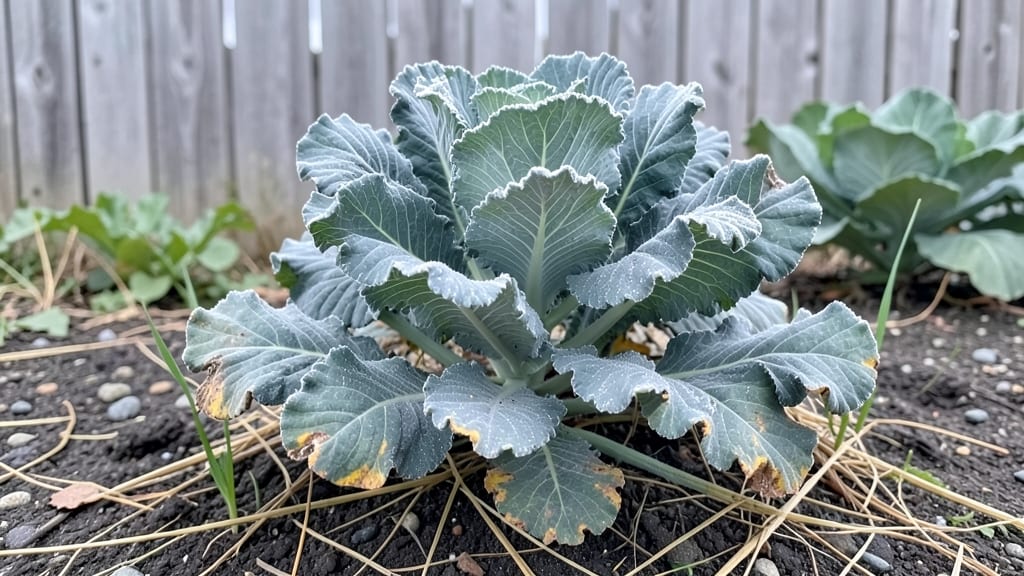
Growing ornamental flowering kale 🌿 means adding a splash of color to your garden that lasts well beyond the typical summer season.
This isn’t just a seasonal showstopper—it’s a year-round color machine that thrives in containers, garden beds, and even urban spaces with minimal fuss. But how do you keep its vibrant hues popping from frost to heat?
If you’ve ever struggled to keep your garden looking vibrant through fall and winter, ornamental flowering kale is the game-changer you’ve been missing. It’s cold-hardy, easy to grow, and adds a stunning contrast to your garden’s palette.
In this guide, I’ll walk you through everything you need to know—from planting tips and soil requirements to sunlight needs and seasonal care—to keep your ornamental flowering kale looking its best all year long.
How to grow ornamental flowering kale for stunning year-round color
Ornamental flowering kale is one of those low-maintenance superstars that delivers bold colors from summer through winter. Unlike its edible cousin, this variety focuses on show-stopping foliage in shades of purple, pink, and white.
The secret to keeping it vibrant? A few key steps in soil prep, light exposure, and seasonal adjustments that I’ve perfected over years of growing.
Whether you’re planting in containers for patios or garden beds for winter interest, ornamental kale thrives with minimal fuss. It’s cold-hardy down to 20°F, making it perfect for year-round color—but only if you follow the right care routine.
Let’s break it down into simple, actionable steps to ensure your kale stays lush and colorful no matter the season.
Step-by-Step Guide to Growing Ornamental Flowering Kale
- Step 1: Choose the Right Variety Opt for cold-hardy varieties like 'Winterbor' or 'Dwarf Blue Curled'. These hold color best in fall and winter and are perfect for containers or garden beds.
- Step 2: Prepare Well-Draining Soil Mix compost or aged manure into your soil for nutrient-rich growing conditions. Ornamental kale prefers slightly acidic to neutral pH (6.0-7.0).
- Step 3: Plant in Full Sun to Partial Shade Place your kale in a spot with 6+ hours of sunlight daily for the brightest colors. In hot climates, partial shade helps prevent bolting.
- Step 4: Water Consistently (But Not Too Much) Keep soil evenly moist but avoid waterlogged conditions. Water at the base of the plant in the morning to prevent fungal issues.
- Step 5: Fertilize Lightly for Vibrant Color Use a balanced fertilizer (5-10-10) every 4-6 weeks during the growing season. Over-fertilizing can lead to leafy growth over color.
- Step 6: Mulch to Protect Roots Apply a 2-inch layer of mulch around the base to retain moisture and insulate roots during winter.
- Step 7: Prune for Bushier Growth Pinch back tips of young plants to encourage compact, bushy growth. Remove any yellow or damaged leaves regularly.
- Step 8: Extend the Season with Cold Frames In warmer climates, use a cold frame or row cover to protect plants during late fall and early spring.
- Step 9: Harvest for Long-Term Color Cut outer leaves as needed to encourage new growth. This keeps your kale looking fresh for months.
- Step 10: Overwinter with Care In USDA Zones 5-8, ornamental kale often survives winter with minimal care. Just reduce watering and remove dead foliage in spring.
One of the biggest mistakes I see is planting too late in the season. For optimal color development, start seeds 6-8 weeks before the first frost. This gives your kale enough time to mature and harden off before cold temperatures arrive.
If you’re in a warmer climate, you can even plant a second crop in late summer for fall color.
For container gardening, choose pots with drainage holes and use a lightweight potting mix. Ornamental kale in containers can dry out faster, so check soil moisture daily in hot weather.
A 5-gallon pot is ideal for one mature plant, giving roots enough room to spread without becoming root-bound.
If your kale’s colors start fading or yellowing, it’s often a sign of nutrient deficiency or overwatering. A quick fix is to apply a balanced fertilizer and adjust your watering schedule.
In extreme heat, the leaves may bolt prematurely, so providing afternoon shade can help delay this.
Pro tip: Mix ornamental kale with low-growing perennials like heuchera or ajuga for a stunning year-round border. Its textured foliage contrasts beautifully with smooth-leaved plants, adding depth and interest to any garden design.
With these steps, your ornamental flowering kale will thrive year-round, turning heads with its vibrant hues and textured leaves. Whether you’re a beginner gardener or a seasoned pro, this plant is a game-changer for low-maintenance color.
Best varieties of ornamental flowering kale for containers vs. garden beds
Choosing the right ornamental flowering kale variety depends on whether you’re filling containers or planting in garden beds. Compact varieties shine in pots, while sprawling types thrive in-ground. The key is matching color intensity, growth habits, and cold-hardiness to your space.
For example, ‘Red Russian’ delivers bold magenta hues that pop in both settings, but its spreading habit works better in beds.
If you’re limited to container gardening, prioritize dwarf varieties like ‘Dwarf Blue Curled’ or ‘Winterbor’. These stay under 12 inches tall, making them perfect for balcony planters or window boxes.
In-ground, taller types like ‘Rosette Purple’ create dramatic border accents with their ruffled foliage. Let’s break down the top picks for each setting.
For containers, I recommend ‘Dwarf Blue Curled’ or ‘Winterbor’—their compact size prevents root competition and fits snugly in 5–7 gallon pots. Use well-draining potting mix with perlite to avoid soggy roots, which can dull their color intensity.
In garden beds, ‘Red Russian’ and ‘Rosette Purple’ create stunning foliage swaths when planted in clusters of 3–5.
Pro tip: Mix color varieties in containers for a multi-tonal display. Pair ‘White Russian’ with ‘Red Russian’ to create a high-contrast look. In beds, stagger planting dates by 2–3 weeks to extend your seasonal color from fall through winter.
Just ensure your container soil stays moist but not waterlogged—overwatering can cause leaf yellowing.
All these varieties handle light frosts beautifully, but ‘Winterbor’ and ‘Red Russian’ are my top picks for extended winter color. Their ruffled edges and bold hues add texture to holiday gardens long after other plants fade.
For urban balconies, opt for ‘Dwarf Blue Curled’—its blue-green tones brighten small spaces without overwhelming them.
Remember: Sunlight exposure directly impacts color vibrancy. Place containers in south-facing spots for 6+ hours of sun daily, while in-ground plants can tolerate partial shade if colors are slightly muted. With the right variety and care, your ornamental kale will be the star of your garden year-round.