
Trees
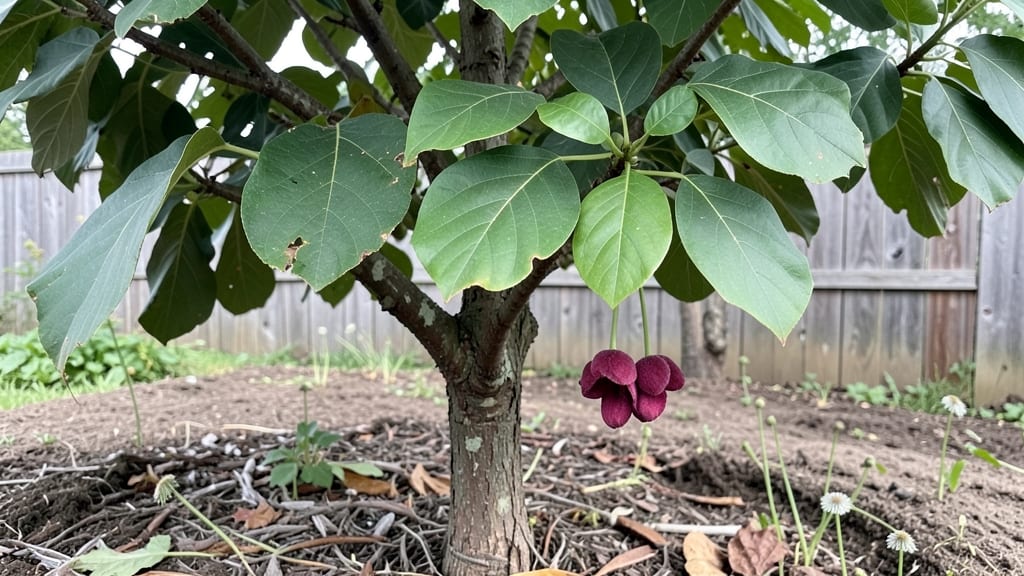
Spotting a pawpaw tree flower 🌳 in your yard means you’re about to witness nature’s fleeting tropical moment—just two weeks before fruit sets or fades away.
If you’ve ever spotted a pawpaw tree in bloom, you know its delicate, maroon flowers are a fleeting sight—but spotting them at the right time can mean the difference between a bountiful harvest and disappointment.
These flowers are short-lived, often lasting just 24 hours, and their scent mimics rotting fruit to lure pollinators like carpenter bees and flies.
For gardeners in Zones 5-9, timing is everything. These flowers appear in late spring, typically April, when temperatures hover around 60°F—but they vanish fast if the weather shifts.
That’s why knowing how to identify them and support their pollination is the key to unlocking those prized pawpaw fruits later in the season.
In this guide, I’ll walk you through how to recognize these flowers, when they’re most active, and the simple steps you can take to ensure they turn into a harvest of sweet, custard-like fruit by September. No fancy tools required—just a little awareness and the right timing.
When do pawpaw tree flowers bloom and how to identify them
Pawpaw trees (Asimina triloba) burst into bloom with their striking maroon-purple flowers in late winter to early spring, usually between February and March in most USDA zones 5-9. These flowers are short-lived but critical for fruit production, so timing and identification matter.
The blooms appear before leaves emerge, making them easy to spot if you know what to look for.
Each pawpaw flower has a unique cup-shaped structure with six petals and a sweet, spicy fragrance that attracts specific pollinators. They’re often 1-2 inches wide and grow in clusters along the branches.
The scent is strongest in the morning, which is when pollinators like carpenter bees and flies are most active.
🌱
The exact blooming window depends on your climate zone and winter conditions. In colder regions like Zone 5, flowers may appear as late as April, while warmer Zone 8-9 areas can see blooms as early as January.
Pay attention to last frost dates—pawpaw flowers thrive when nighttime temps stay above 35°F (2°C).
To identify pawpaw flowers, look for clusters of 6-12 blooms along the branches, often near where last year’s fruit grew. The yellow-tipped stamens are a key feature, as they contrast sharply with the maroon petals.
If you see these flowers, mark your calendar—they’ll only last 3-5 days per cluster before wilting.
🌿
Sunlight plays a critical role in triggering pawpaw blooms. Trees need 6+ hours of direct sun daily to produce flowers, but too much heat can stress them. In hot climates, partial shade helps prolong bloom time.
If your tree isn’t flowering, check its light exposure—moving it to a sunnier spot can encourage future blooms.
Environmental factors like soil moisture and nutrient levels also influence flowering. Pawpaw trees prefer well-draining, slightly acidic soil (pH 6.0-7.0). If your tree struggles to bloom, test your soil and amend it with compost or organic matter to improve fertility.
A balanced fertilizer (like 10-10-10) in early spring can also give blooming a boost.
🪴
Pro tip: If you’re new to pawpaw trees, tag a few branches when you spot flowers. This helps track bloom cycles and ensures you don’t miss the 3-5 day window when pollinators are most active.
For best results, avoid pruning during bloom time—focus on light shaping after flowers fade to encourage next year’s growth.
Finally, keep an eye out for pawpaw fruit buds forming after pollination. These look like tiny green bumps where flowers were. If buds appear but drop off, it’s a sign of poor pollination, which we’ll cover in the next section on maximizing fruit set.
☀️
How to maximize pawpaw flower pollination for fruit production
Pawpaw trees (Asimina triloba) rely almost entirely on natural pollinators to produce fruit, but their unique maroon, fragrant flowers attract only specific visitors. Carpenter bees and flies are the primary pollinators, but environmental factors like temperature, humidity, and wind can disrupt their visits.
Understanding how to support these pollinators—and supplement their efforts—is key to a successful harvest.
If your pawpaw tree blooms but fails to set fruit, it’s often due to poor pollination timing or environmental stress. The good news? With a few strategic adjustments—like pruning for better airflow, hand-pollination techniques, and targeted watering—you can dramatically improve fruit set.
Let’s break down the most effective methods to maximize pollination success.
- ✅ Carpenter bees are highly efficient pollinators
- ✅ Flies thrive in pawpaw’s fragrant blooms
- ✅ No manual labor required
- ✅ Supports local ecosystems
- ❌ Dependent on weather (rain, wind)
- ❌ Limited pollinator range in some regions
- ❌ No control over pollinator visits
- ❌ Fruit set varies yearly
- ✅ Guarantees pollination in poor weather
- ✅ Works in pollinator-scarce areas
- ✅ Increases fruit set predictably
- ✅ Control over timing
- ❌ Time-consuming for large trees
- ❌ Requires precise technique
- ❌ Not eco-friendly for large-scale use
- ❌ Risk of flower damage if mishandled
To boost natural pollination, focus on creating an ideal environment for carpenter bees and flies. Plant native flowering shrubs like serviceberry or spicebush nearby to attract pollinators early in the season.
Avoid pesticides, especially during bloom time, as they can harm these crucial visitors. Even a small patch of clover or wildflowers near your pawpaw tree can make a big difference.
If natural pollinators fall short, hand-pollination is a reliable backup. Use a soft paintbrush or cotton swab to transfer pollen from one flower to another on overcast days (when bees are less active). Focus on flowers that are fully open and have visible pollen.
Repeat this process every 2-3 days during the blooming period for best results. For larger trees, prioritize the lower branches first to ensure even coverage.
Environmental adjustments also play a critical role. Pawpaw trees need consistent moisture during bloom, so water deeply once a week (about 2-4 gallons per tree). Avoid wetting the flowers directly to prevent fungal issues.
Additionally, prune lightly in late winter to improve airflow and sunlight penetration, which encourages healthier blooms. Remove any dead or crossing branches that could block pollinators.
Troubleshooting pollination failures often starts with checking for environmental stressors. If your tree blooms but drops flowers early, it may be due to drought stress, nutrient deficiencies, or pest damage.
Conduct a soil test to ensure pH is between 6.0 and 7.0—pawpaws thrive in slightly acidic to neutral soil. If needed, apply a balanced fertilizer (10-10-10) in early spring to support flower production. For persistent issues, consider mulching with compost to retain moisture and improve soil health.