
Shrubs
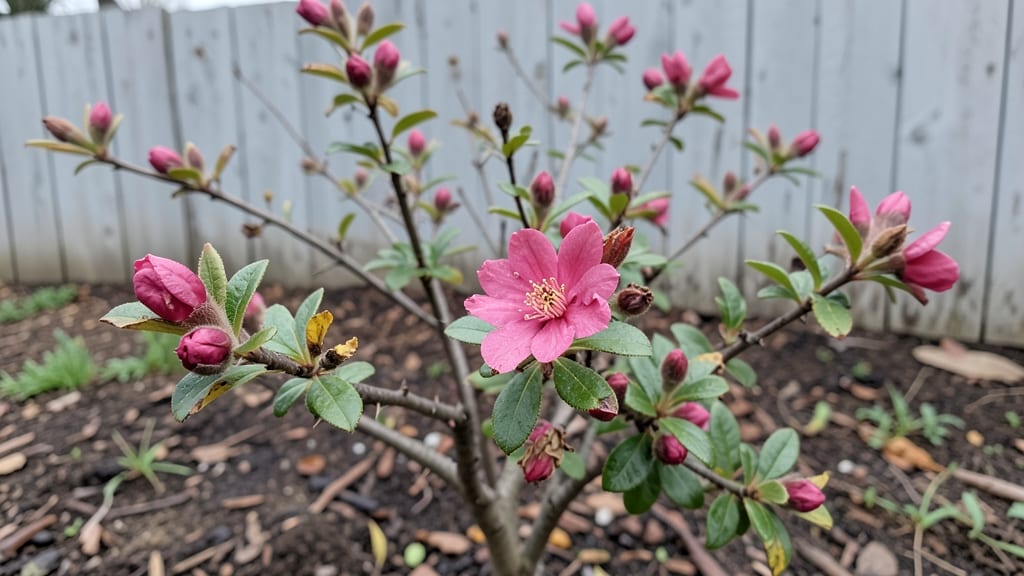
The peach flowering quince 🌸 brings bold, fragrant blooms to your garden with almost no effort—once you know the right tricks.
Imagine waking up to a yard filled with vibrant pink and red flowers in late winter, when most plants are still asleep.
This shrub thrives in zones 5-9 and practically takes care of itself, but a few simple pruning steps in fall can turn a few scattered blooms into a full, lush display.
Whether you're a seasoned gardener or just starting, this hardy plant is a game-changer for adding color and texture to your landscape. Below, I’ll walk you through the exact pruning techniques and care tips to keep your quince blooming year after year—no green thumb required.
From soil prep to seasonal maintenance, you’ll learn how to maximize those stunning flowers while keeping pests and diseases at bay. Let’s get your quince looking its best!
When and how to prune peach flowering quince for maximum blooms
The peach flowering quince (Chaenomeles speciosa) rewards gardeners with stunning, fragrant blooms—but only if you prune it correctly. Unlike many shrubs, this beauty flowers on old wood, meaning last year's branches produce this year's blooms.
Pruning at the wrong time or too aggressively can reduce flowering or even harm the plant. The key is to prune after blooming while still encouraging a balanced, bushy shape for next season.
Timing is everything. I’ve learned from experience that pruning too early in winter can damage buds forming for spring blooms, while waiting too long risks overgrown branches that block sunlight and air circulation.
The best window is late winter to early spring, right after the flowers fade but before new growth starts. This ensures you preserve next year’s blooms while shaping the plant for optimal health.
Step-by-Step Pruning Guide for Peach Flowering Quince
-
Step 1: Choose the Right Time
Prune 2-4 weeks after flowering (typically March-April in most USDA Zones 5-9). Avoid pruning in late fall or winter when buds are forming. -
Step 2: Gather Your Tools
Use clean, sharp pruners or loppers to make precise cuts. Disinfect tools with rubbing alcohol to prevent disease spread. Wear gloves—thorns are sharp! -
Step 3: Remove Dead or Damaged Wood
Start by cutting out dead, diseased, or crossing branches. Look for brown or mushy wood or branches rubbing together. Cut back to the base of the plant or a healthy bud. -
Step 4: Thin Out Overcrowded Branches
Focus on inner branches that block light or air. Remove 1/3 of the oldest wood to encourage new growth. Aim for an open, vase-like shape for better airflow. -
Step 5: Shape for Balance
Cut back long, leggy branches by 1/3 to 1/2 to promote bushier growth. Avoid heading back (cutting mid-branch) unless necessary—it can reduce flowering on old wood. -
Step 6: Clean Up
Remove all pruned debris from the area to prevent pests or diseases. Rake up fallen leaves and dispose of them in the trash, not compost, if they show signs of disease. -
Step 7: Seasonal Maintenance
Lightly trim stray branches in summer or early fall to maintain shape, but avoid heavy pruning. This keeps the plant healthy without risking next year’s blooms.
One of the biggest mistakes I see is over-pruning peach flowering quince. Since it blooms on old wood, cutting back too much can eliminate next year’s flowers. Another common error is pruning at the wrong time, like late winter, which can damage dormant buds.
Always wait until after the blooms fade to avoid these pitfalls.
If your quince isn’t flowering as expected, check for overcrowded branches or poor sunlight. These plants thrive in full sun to partial shade, so ensure it’s planted in a spot with at least 6 hours of sunlight daily.
Additionally, fertilize lightly in spring with a balanced 10-10-10 formula to encourage healthy growth without excessive foliage.
For established plants, a light annual pruning in late summer (after flowering) helps maintain shape and health. Focus on removing suckers or water sprouts—these are fast-growing, weak branches that drain energy from the main structure.
A little maintenance goes a long way in keeping your quince blooming beautifully for years.
Remember, peach flowering quince is hardy and forgiving, but it does reward attention to detail. By following these steps, you’ll enjoy vibrant, fragrant blooms from late winter through spring with minimal effort. Happy pruning!
Essential care tips to keep your peach flowering quince thriving
The peach flowering quince thrives with the right care, especially when it comes to soil quality and sunlight exposure. Start by planting in well-draining soil with a slightly acidic to neutral pH (6.0–7.5).
Amend heavy clay soil with compost or sand to prevent root rot—a common issue for this shrub. Avoid soggy spots, as they invite fungal diseases that can weaken your plant before blooming season. 🌱
Your peach flowering quince will reward you with vibrant blooms if given full sun to partial shade (6+ hours daily). While it tolerates light shade, morning sunlight is ideal to prevent afternoon stress. In hot climates, dappled shade during peak hours can protect delicate flowers from scorching.
Observe your plant’s leaves—yellowing or wilting signals too much shade, while crisp edges mean it’s getting too much sun. ☀️
| Care Aspect | Requirement | Specification |
|---|---|---|
| Soil Type | Well-draining | Loamy or sandy; amend clay with compost |
| Sunlight Needs | Full Sun to Partial Shade | 6+ hours daily; morning sun preferred |
| Watering Schedule | Deep Watering | Weekly in growing season; reduce in winter |
| Fertilization | Balanced Feed | 10-10-10 NPK; spring and fall only |
| Pruning Time | Late Winter/Early Spring | After flowering; remove dead wood |
| Pest Watch | Common Threats | Aphids, scale, powdery mildew |
Watering your peach flowering quince correctly is key to encouraging blooms. During the growing season (spring and fall), give it a deep soak once a week—about 1500–2000ml per mature plant. In summer, reduce frequency to every 10–14 days unless your soil is sandy.
Overwatering leads to root rot, while underwatering causes buds to drop before flowering. Always water at the base, not the leaves, to avoid fungal issues like powdery mildew. 💧
Seasonal adjustments are crucial for year-round health. In spring, apply a balanced fertilizer (10-10-10) when buds swell to fuel blooming. Skip summer fertilizing—this shrub enters dormancy and needs rest.
In fall, add a light feed to strengthen roots before winter. Mulch with 2–3 inches of organic matter (like shredded leaves) to retain moisture and regulate soil temperature. ✂️
Watch for pests and diseases that can sabotage your quince’s beauty. Aphids and scale insects suck sap, causing curled leaves—blast them off with water or use neem oil for organic control. Powdery mildew, a white fungal film, thrives in humid conditions.
Improve airflow by pruning dense branches and avoid overhead watering. If you spot black spots on leaves, remove affected foliage immediately to prevent spread. 🌿
Finally, environmental stressors like drought or extreme heat can stress your quince. If your area experiences prolonged dry spells, provide occasional deep watering and shade cloth during heatwaves. In winter, protect young plants from freeze-thaw cycles with a light mulch layer.
With these care tips, your peach flowering quince will flourish for years, gracing your garden with fragrant blooms and easy elegance. 🌺