
Blooming
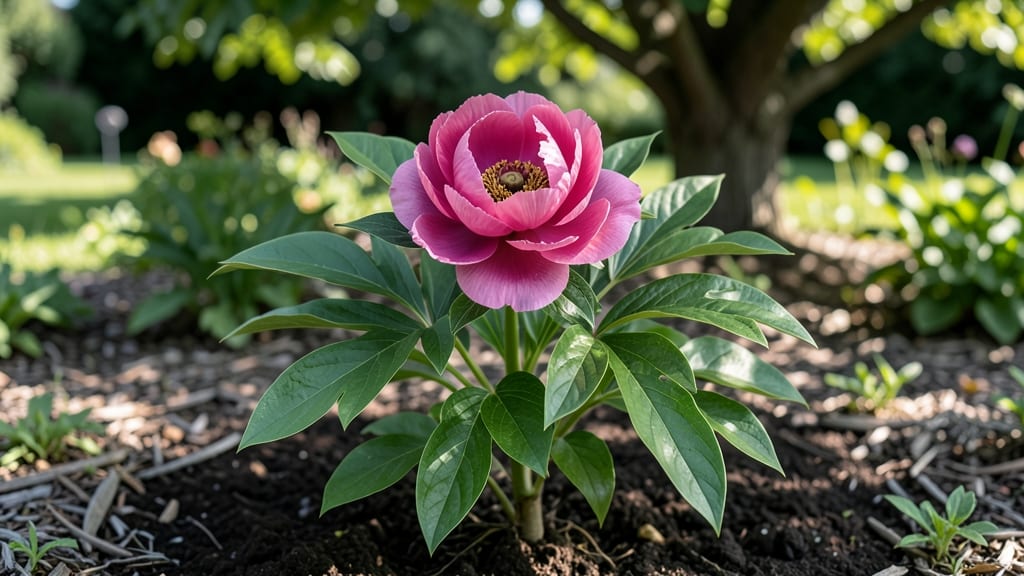
The peony flower blooming season brings velvety pink and blush blooms that turn every spring garden into a masterpiece — but timing is everything.
Picture this: you’ve waited all winter for your 🌸 peonies to burst into color, only to find they’ve already peaked by the time you notice. That’s the frustration of missing their short but spectacular window, which shifts dramatically depending on your USDA zone.
In cooler climates like Zone 3, peonies often bloom as early as late April, while in warmer zones like Zone 8, their season stretches from February into March. Even a few degrees can mean the difference between catching their prime and scrambling to adjust your garden plans.
Below, I’ll break down the exact months for your zone, plus pro tips to extend their beauty — because with the right care, you can turn a fleeting few weeks into a month-long showstopper.
Peony blooming season by USDA climate Zone: month-by-month guide
Peonies burst into bloom like nature's grand finale, but their timing varies dramatically across the USDA climate zones. In colder regions like Zone 3, you might see buds unfurl in late May, while in Zone 9, they’ll greet you in February.
These differences stem from chilling requirements and daylight exposure—herbaceous peonies need 60-90 days of cold to trigger blooms, while tree peonies are more flexible.
Understanding your zone’s average last frost date and sunlight patterns is key. For example, Zone 5 gardeners should mark their calendars for mid-May, while Zone 7 peonies often bloom by early April.
Even within a zone, microclimates—like a sunny south-facing slope—can shift bloom times by 2-3 weeks. Let’s break down exactly when to expect those lush, fragrant blooms in your area.
| USDA Zone | Peony Type | Bloom Months | Key Varieties | Sunlight Needs |
|---|---|---|---|---|
| 3-4 | Herbaceous | Late May - Early June | Sarah Bernhardt, Karl Rosenfield | Full sun (6+ hours) |
| 5-6 | Herbaceous/Tree | Mid-May - Late June | Bowl of Beauty, Festiva Maxima | Full sun to partial shade |
| 7-8 | Tree Peonies | Early April - Mid-May | Shiny Yellow, Alice Harding | Full sun (morning light) |
| 9-10 | Tree Peonies | February - Early March | Duchesse de Nemours, Red Charm | Partial shade (afternoon protection) |
In Zones 3-4, where winters are harsh, peonies typically bloom in late May to early June after the soil warms to 50°F (10°C). Varieties like Sarah Bernhardt thrive here, producing pink, dinner-plate blooms that last 7-10 days.
These zones require full sun exposure to compensate for shorter growing seasons, so plant peonies in the southernmost part of your yard for best results.
Gardeners in Zones 5-6 enjoy a longer bloom window, from mid-May to late June, thanks to milder winters. This range accommodates both herbaceous peonies (which die back annually) and tree peonies (semi-evergreen).
For example, Bowl of Beauty often blooms in early May, while Karl Rosenfield follows in June. In these zones, partial shade (3-6 hours of sun) can extend bloom duration by 3-5 days.
Southern gardeners in Zones 7-8 get the earliest shows, with tree peonies blooming as early as late March. Varieties like Shiny Yellow and Alice Harding love the mild winters here but need morning sun to prevent bud drop.
If you’re in Zone 8, expect a 6-week bloom season from late March to early May—a gardener’s dream! However, afternoon shade is crucial to avoid heat stress.
For those in Zones 9-10, peonies are winter bloomers, often appearing in February or early March before spring really arrives. Duchesse de Nemours and Red Charm are standouts, but they require partial shade to protect delicate buds from hot afternoon sun.
In these zones, mulching with compost helps regulate soil temperatures, ensuring consistent blooms year after year.
Temperature fluctuations can delay or advance blooms by 1-2 weeks. For instance, a warm winter in Zone 5 might push blooms to early May, while a late frost in Zone 9 could postpone them until late March.
To hedge your bets, plant early, mid, and late-season varieties together. This staggered approach guarantees continuous color from February to June, depending on your zone.
Pro tip: Use a garden journal to track your peonies’ bloom dates over 3-5 years. Note the first bud appearance, peak bloom
How to extend your peony’s blooming season: pro tips for longer flowers
Peonies burst into bloom with dramatic flair, but their show often feels too brief. The secret to longer peony blooms lies in a few simple yet strategic care habits that keep your plants thriving.
Whether you’re growing herbaceous peonies (which die back in winter) or tree peonies (evergreen), these methods will transform your garden into a prolonged floral spectacle. Start with the soil—phosphorus-rich amendments fuel bud formation, while potassium strengthens stems for resilience.
I’ve found that the biggest mistake gardeners make is over-pruning or ignoring deadheading. Snip spent blooms promptly to redirect energy into new buds, but avoid cutting back foliage until it yellows naturally. This foliar feeding process ensures next year’s blooms will be even more abundant.
For tree peonies, which bloom on old wood, pruning is minimal—just remove dead stems after flowering to maintain shape.
Microclimate matters more than you think. I’ve noticed that peonies planted in sheltered spots—like the lee side of a stone wall or beneath mature shrubs—bloom 1-2 weeks longer than those exposed to harsh winds.
Even a simple windbreak made of bamboo stakes can extend your season by protecting delicate petals. Pair this with mulching (2-3 inches of organic matter) to regulate soil temperature and retain moisture.
Herbaceous peonies typically bloom for 7-10 days, while tree peonies can stretch their show to 3-4 weeks. The key difference? Tree peonies bloom on old wood, so aggressive pruning backfires. Instead, focus on soil health and consistent watering to coax longer stems and bigger buds.
For both types, late-season varieties like Duchesse de Nemours naturally extend the bloom window into early summer.
Don’t forget to rotate varieties for sequential blooms. Plant early bloomers like Sarah Bernhardt alongside late-season types such as Coral Charm to create a continuous floral display from late spring through June. With these tweaks, your peonies won’t just bloom—they’ll thrive for weeks on end. 🌸