
Blooming
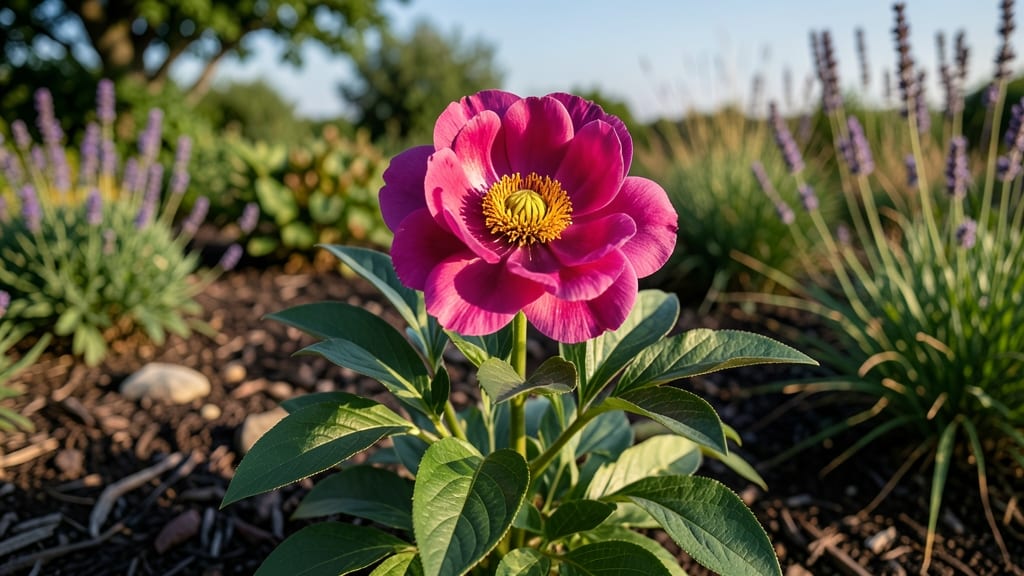
Peonies bloom in late spring to early summer 🌸, but the secret to vibrant flowers starts with planting them at the right time in your zone.
Timing your peony planting just right can mean the difference between vibrant blooms and years of disappointment—so when exactly should you plant peonies to guarantee zero-frost success?
Most gardeners know peonies thrive in full sun and well-draining soil, but the planting window is where many go wrong. In USDA Zone 6a, early spring or fall is ideal, but regional frost dates shift the calendar by weeks.
A late frost can kill new growth, while planting too early risks stunted roots.
Below, I’ll break down the exact months for your zone, how to adjust for microclimates, and the three critical care steps that keep peonies blooming year after year—no guesswork, just results.
Peony flower time: best planting months by USDA Hardiness zones
Peonies are one of the most rewarding garden plants, but their planting timing makes all the difference between thriving blooms and years of disappointment. Since peonies are hardy perennials, they need the right window to establish roots before winter or avoid spring frost damage.
The USDA Hardiness Zone where you live determines your exact planting months—whether it's early spring or fall.
Most gardeners plant peonies in fall (after the first frost) or early spring (before the last frost), but the exact timing varies by zone.
For example, gardeners in Zone 3 (like Minnesota) should plant in late August to October, while those in Zone 8 (like Florida) can plant as late as November or as early as February.
Let’s break down the best months for each zone to ensure your peonies get a strong start.
Before you plant, verify your USDA Hardiness Zone using the USDA Plant Hardiness Zone Map. Enter your ZIP code to confirm your zone, then use the table below to find your ideal planting window.
Remember, peonies need 6+ hours of sunlight and well-draining soil to thrive, so choose a spot with these conditions.
Here’s a critical tip: Peony eyes (buds) should be planted 1-2 inches below soil level. Planting them too deep can cause rot, while planting them too shallow can expose them to frost. Use this rule of thumb to avoid common mistakes.
If you live in a coastal zone (like the Pacific Northwest), your frost dates may be later than inland areas. For example, Seattle (Zone 8) typically has its last frost around April 15, while Phoenix (Zone 9) rarely experiences frost.
Adjust your planting window accordingly—cooler microclimates may need earlier fall planting.
For gardeners in the Deep South (Zones 9-10), fall planting is still best, but you can also plant in winter months (December to February) to avoid summer heat stress.
Peonies planted in summer can struggle with heat shock, leading to poor root establishment. If you’re in a warm climate, opt for early morning planting to reduce stress.
One common mistake is planting peonies in spring when the soil is still cold. Peonies need soil temperatures above 40°F to root properly. Use a soil thermometer to check before planting. If your soil is too cold, wait until the ground warms up—usually 2-4 weeks after the last frost
Peony flower time: how to calculate your zero-frost planting window
Peonies need consistent warmth to establish roots before frost, but planting too early risks stunted growth from cold soil. The key is calculating your zero-frost window—the period when soil stays above 40°F for at least 2 weeks.
This ensures roots grow without frost damage, setting the stage for vibrant blooms next spring.
Start by checking your USDA Zone (e.g., Zone 5-8 for peonies) and cross-reference with NOAA frost data. Urban areas often have warmer microclimates than rural zones, so adjust your window by 1-2 weeks later if you’re in a city.
For example, Chicago (Zone 5b) might see frost-free soil by mid-April, while Seattle (Zone 8a) could plant as early as late February.
Find Your Last Frost Date
Use the USDA Plant Hardiness Zone Map or NOAA frost calculators to locate your average last frost date. Add 2 weeks to this date for your safe planting window. For example, if your last frost is April 15, aim for May 1.
Verify Soil Temperature
Soil must stay above 40°F for 2+ weeks before planting. Use a soil thermometer or check local agricultural extension reports. If soil is below 40°F, wait until it warms—cold soil delays root growth and increases frost risk.
Adjust for Microclimates
Urban areas (e.g., New York City) can be 5-10°F warmer than rural zones due to heat islands. If you’re in a city, plant 1-2 weeks later than rural guidelines. Conversely, valleys or shaded spots may need earlier planting to avoid late frosts.
Use Frost Apps for Real-Time Data
Download apps like Frost Freeze or PlantNet for real-time frost alerts. These tools sync with NOAA data and adjust for local conditions. Set reminders for your calculated planting window to avoid missing the optimal 2-week period.
For fall planting (another great option), aim for 6-8 weeks before your first frost. This gives roots time to establish before winter. For example, in Zone 6a, plant in late September to early October.
Always plant peony eyes (buds) 1-2 inches deep—this protects them from heaving in freeze-thaw cycles.
Pro tip: Mulch heavily after planting to insulate roots. Use 3-4 inches of straw or shredded leaves to maintain soil temperature and retain moisture. This extra layer can make the difference between survival and failure in marginal zones.
By following these steps, you’ll eliminate guesswork and ensure your peonies thrive—ready to burst into lush blooms next spring. Happy planting! 🌸