
Flowers
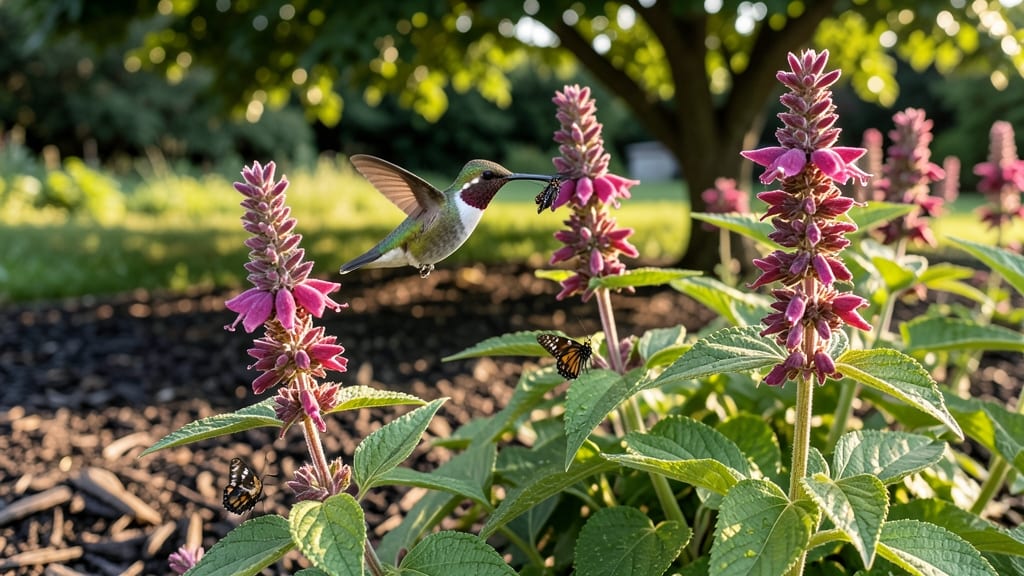
Perennial flowers hummingbirds like love those that offer nectar-rich blooms 🌸 — and the right choices can turn your garden into a buzzing, feathered paradise.
Picture this: a dazzling display of red, pink, and purple blooms swaying in the breeze, with tiny hummingbirds darting between them like living jewels. The secret isn’t just picking pretty flowers; it’s choosing perennials that keep them coming back season after season.
These pollinator powerhouses aren’t just beautiful—they’re a hummingbird’s all-you-can-eat buffet. From early spring to late fall, the right perennials provide continuous fuel, ensuring your garden stays a top destination year-round.
Below, you’ll discover the top 10 perennial flowers that hummingbirds adore, plus expert tips on planting, placement, and companion plants to maximize visits. Let’s get your garden ready for its most energetic guests!
Top 10 perennial flowers that attract hummingbirds year-round
Hummingbirds are drawn to bright, tubular flowers packed with high-energy nectar. Unlike annuals that require replanting, these perennial powerhouses return season after season, creating a reliable food source for these tiny pollinators.
The key? Choosing red, orange, and pink blooms—their favorite colors—and ensuring continuous blooming from spring to frost.
Science shows hummingbirds prefer sweet, sugar-rich nectar (about 20% sugar concentration) and easy-access flowers. Many perennials naturally produce this nectar while offering long bloom times. Below, I’ve curated the top 10 perennials that guarantee year-round visits, along with their bloom seasons and care essentials.
🌸
| Plant Name | Bloom Season | Color | Height | Sun Needs | Nectar Notes |
|---|---|---|---|---|---|
| Bee Balm (Monarda didyma) | June–September | Red, pink, purple | 2–4 ft | Full sun | High nectar, attracts butterflies |
| Butterfly Weed (Asclepias tuberosa) | June–August | Orange, yellow | 1–2 ft | Full sun | Drought-tolerant, long bloom |
| Columbine (Aquilegia canadensis) | April–June | Red, yellow, blue | 1–2 ft | Partial shade | Early spring nectar source |
| Coral Bells (Heuchera sanguinea) | May–October | Red, orange | 1–2 ft | Partial shade | Continuous blooms, deer-resistant |
| Daylily (Hemerocallis) | June–September | Red, yellow, orange | 1–3 ft | Full sun | Tough, long-lasting blooms |
| Hibiscus (Hibiscus moscheutos) | July–September | Pink, red, white | 3–6 ft | Full sun | Large nectar-rich blooms |
| Lavender (Lavandula) | June–August | Purple, white | 1–3 ft | Full sun |
How to create a hummingbird-friendly garden layout for maximum visitsCreating a hummingbird magnet starts with strategic plant placement that mimics their natural habitat. Hummingbirds rely on bright colors, easy access to nectar, and safe perching spots. By layering your garden with height variations and seasonal blooms, you'll extend their visits from spring through fall. The key is designing a space that feels like a hummingbird buffet—always open and full of options. Begin with a color gradient that guides their flight path. Place red and pink perennials like bee balm and columbine near entry points, as these hues are irresistible to hummingbirds. Follow with purple and orange blooms deeper in the garden to create a visual journey. This not only attracts them but also encourages them to explore your entire space rather than just landing once. 🌸 Hummingbird Garden Layout Essentials
Hummingbirds prefer vertical space for quick takeoffs, so incorporate trellises with climbing plants like honeysuckle or clematis. Position these near water sources to create a rest-stop ecosystem. A shallow birdbath with moving water (like a dripper) placed 1-2 feet off the ground will encourage them to linger. Avoid deep pools—they need easy access to drink without risking drowning. Extend the blooming season by pairing perennials with different bloom times. For example, plant early spring bloomers like bleeding heart alongside summer favorites such as butterfly weed, and finish with fall bloomers like goldenrod. This ensures a continuous nectar supply and keeps hummingbirds returning daily. Group plants in odd-numbered clusters (3, 5, or 7) to mimic natural groupings they recognize. Companion planting plays a critical role in repelling pests while attracting hummingbirds. Pair bee balm with marigolds to deter aphids, or plant salvia near basil to keep flies away. Avoid strongly scented herbs like mint or lavender, as their fragrance can mask the sweet nectar aromas hummingbirds seek. Instead, opt for subtle fragrances like Russian sage or catmint, which blend seamlessly into the garden. Finally, prune strategically to maintain open pathways. Hummingbirds navigate by visual landmarks, so avoid overcrowding plants. Trim back dead blooms regularly to encourage new growth and prolonged flowering. In late winter, cut back perennials like Joe Pye weed to 6-12 inches to promote fresh spring shoots. This simple step ensures your garden stays inviting year after year—just like a well-stocked hummingbird buffet. 🌿 |