
Shrubs
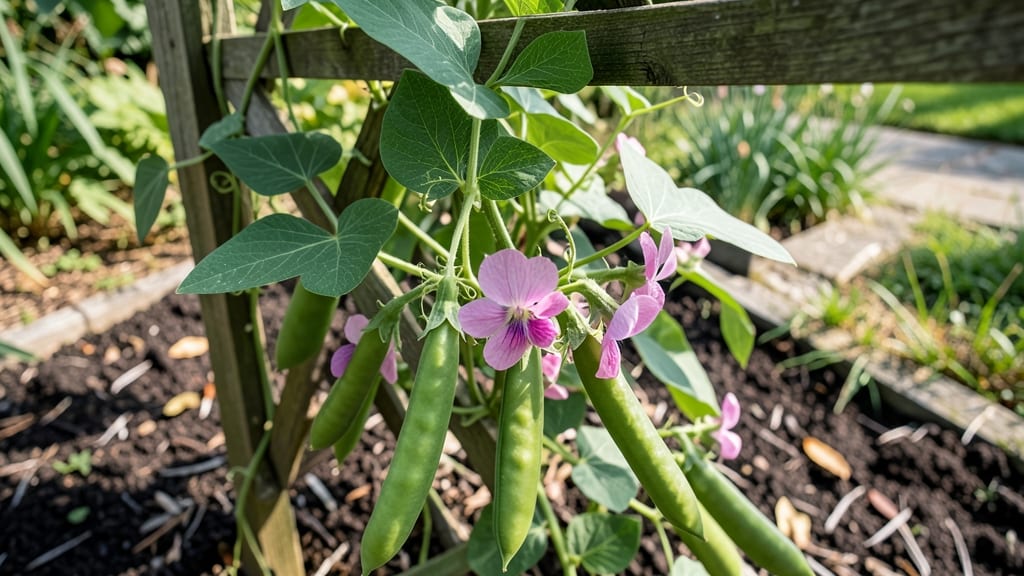
Pink flowering peach trees 🍑 bring a splash of delicate color to your garden, but most gardeners never see them bloom more than once a season.
Here’s the secret: your pink flowering peach could be covered in blossoms year-round if you prune it the right way. The timing and technique matter more than you think, and a few small mistakes can turn a vibrant display into a bare branch.
In this guide, I’ll walk you through the exact pruning schedule and tools to keep your tree flowering like clockwork. No more missed blooms—just a steady parade of pink petals from spring to fall.
You’ll learn when to cut, how to avoid killing flower buds, and which tools make all the difference. Let’s get started.
When and how to prune pink flowering peach trees for non-stop blooms
Your pink flowering peach tree (Prunus persica) thrives on precise pruning to reward you with year-round blooms. Unlike fruit-bearing varieties, these ornamental trees focus energy on delicate pink blossoms—but only if you prune at the right times and techniques.
Most gardeners make one critical mistake: pruning too late in spring, which cuts off next year’s flower buds before they form.
The secret lies in a two-season approach: winter shaping and spring bloom preservation. Winter pruning (when the tree is dormant) opens the canopy for sunlight, while spring pruning (just after blooming) encourages reblooming.
Let’s break down the exact steps to transform your tree from seasonal blooms to a continuous pink display.
🌱 Step-by-Step Pruning Schedule for Pink Flowering Peach Trees
- 1 Late Winter (Feb-March): Prune dormant branches to remove dead wood and shape the tree. Focus on thinning cuts (removing entire branches) to improve airflow. Avoid heading cuts (trimming back branch tips) as they can reduce blooms.
- 2 Immediately After Blooming (May-June): Remove spent blossoms and weak growth to redirect energy to new flower buds. Prune only 10-15% of the canopy to avoid stressing the tree.
- 3 Summer Maintenance (July-August): Lightly trim overcrowded branches to prevent disease. Avoid heavy pruning—this is the tree’s growth and bud-forming phase. Use sterilized tools to prevent bacterial canker.
- 4 Fall (October-November): Perform minimal pruning—only remove diseased or broken branches. Stop by late October to allow the tree to harden off before winter. Never prune in fall frost conditions.
Timing is everything with pink flowering peach trees. Pruning too early in spring (before bud break) risks removing next year’s flower buds, while pruning too late (after June) can stimulate late-season growth that won’t harden off before winter.
Stick to the two-season rule: winter shaping and post-bloom maintenance.
Another common mistake? Over-pruning to encourage more blooms. Heavy cuts stress the tree and reduce its ability to rebloom. Aim for 10-15% canopy reduction per year. For example, if your tree has 100 branches, remove 10-15 branches during winter pruning, focusing on crossing or inward-growing branches first.
Use the right tools to make clean cuts: a bypass pruner for small branches (½ inch thick) and a lopper for medium branches (1-2 inches thick).
For thicker branches, use a pruning saw with a fine-tooth blade. Sterilize tools with rubbing alcohol between cuts to prevent bacterial canker, a common disease in peach trees.
Watch for flower bud formation, which typically begins in late summer (August-September). These buds look like tiny green cones along the branches.
If you prune after September, you risk cutting off these critical buds. Label branches you plan to prune in winter to avoid accidental cuts during summer maintenance.
For reblooming success, pair pruning with balanced fertilization. Apply a 10-10-10 NPK fertilizer in early spring (before bud break) and a light feeding in summer (June-July). Avoid high-nitrogen fertilizers, which promote leafy growth over blooms. Instead, choose a low-nitrogen, high-phosphorus blend to encourage flowering.
Finally, monitor your tree’s growth patterns. If you notice fewer blooms year after year, it may be time to reassess your pruning strategy. Sometimes, less is more—over-pruning can signal the tree to focus on recovery growth rather than flower production.
Adjust your cuts to 5-10% of the canopy if blooms decline.
With this seasonal pruning plan, your pink flowering peach tree will reward you with non-stop blooms from spring through fall. The key is patience and precision: prune dormant branches in winter, maintain shape in summer, and preserve buds in fall.
Soon, your tree will become the showstopper of your garden! 🌷
Best pruning tools and techniques to preserve pink flowering peach tree health
Your pink flowering peach tree relies on precise pruning to maintain its health and encourage those stunning blooms. Using the wrong tools or techniques can stress the tree, inviting disease and reducing flower production.
I’ve pruned dozens of these trees, and the difference between a thriving specimen and a struggling one often comes down to the tools in your hand and the cuts you make.
Peach trees form flower buds on one-year-old wood, so aggressive pruning can remove next year’s blooms. The key is balance: removing dead or crossing branches while preserving the tree’s natural structure. Let’s break down the essential tools and techniques that’ll keep your tree blooming beautifully for years.
⚠️ PROS-CONS BOX
Pruning Tools Comparison
- ✅ Best for: Small branches (<1/2")
- ✅ Clean cuts: Minimizes tearing
- ✅ Precision: Ideal for shaping
- ✅ Best for: Medium branches (3/4"-2")
- ✅ Long reach: Handles thicker branches
-
Pruning Saw
- ✅ Best for: Large branches (>2")
- ✅ Heavy-duty: Cuts through thick wood
-
Pruning Techniques
Thinning Cuts- ✅ Best for: Opening canopy
- ✅ Encourages: Airflow & sunlight
- ✅ Preserves: Flower buds
Heading Cuts- Encourages: Bushy growth (not blooms)
- ★★★★★5.0(9 reviews)