
Flowers
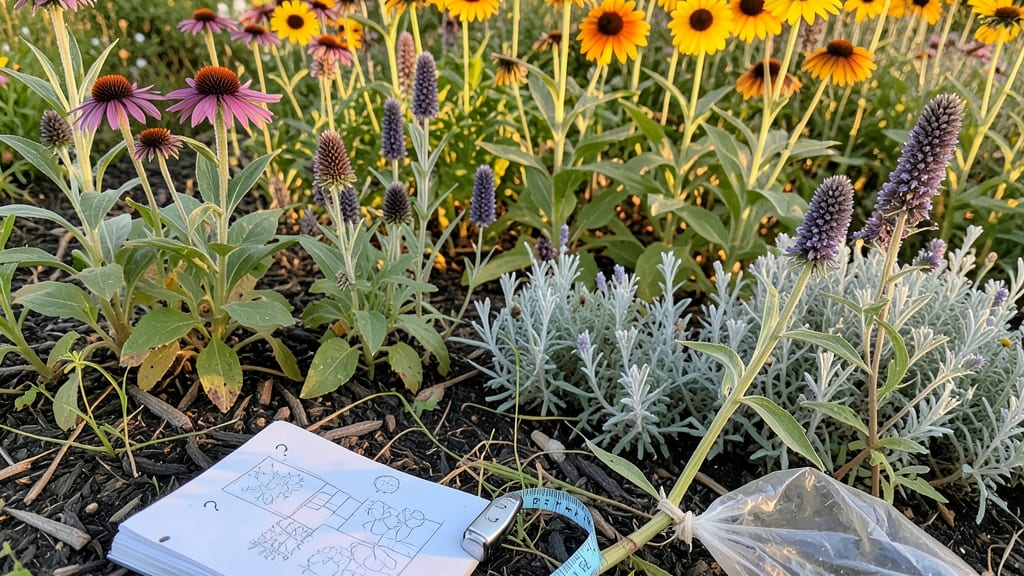
Planning a flower garden that blooms from spring to frost isn’t just possible—it’s easier than you think when you start with the right layout. I designed my first low-maintenance garden by mapping out sun exposure first, then weaving in plants that pick up where others leave off.
The key is treating your garden like a layered painting, not a single-season snapshot.
You’ll need a sketch pad (or free app), a tape measure, and a list of plants that thrive in your zone. Group sun-lovers together, shade plants in their own zone, and leave room for pathways—trust me, you’ll thank yourself later when weeding becomes a breeze.
My 3-foot-wide beds fit perfectly between stepping stones, and the soil prep took less than an hour with a rototiller.
By the time summer fades, you’ll have a garden that feels like a living quilt—deep blues and purples in early spring, bright whites and yellows in summer, and fiery reds and oranges holding court in fall.
The secret? Mixing perennials (for structure) with annuals (for color bursts) and adding a few pollinator magnets like coneflowers or black-eyed Susans. Every season gets its own star turn.
Works for any space—whether you’re carving out a corner of your yard or filling containers on a balcony. The same principles apply, just scaled down. Let’s get that sketchpad open and turn your vision into a year-round showstopper.
📚 In This Guide
- What you need
- Instructions
- Tips and common mistakes
- Wrapping up and next steps
What you need
- ● Soil amendments: 1 bag (40 lb) of compost or well-rotted manure
- ● 1 bag (50 lb) of garden soil or potting mix (for containers)
- ○ Optional: Slow-release fertilizer (e.g., 10-10-10, 1 lb per 10 sq ft)
- ● Plants: Perennials (e.g., coneflowers, black-eyed Susans): 3–5 plants per sq ft
- ● Annuals (e.g., marigolds, petunias): 1 plant per 6–12 inches of space
- ● Bulbs (e.g., daffodils, tulips): 1 bulb per 4–6 inches of depth
- ● Tools: 1 garden trowel (for digging small holes)
- ● 1 garden fork or shovel (for amending soil)
- ● 1 pruners or hand shears (for trimming)
- ● 1 watering can or hose with adjustable nozzle
- ● 1 measuring tape or string & stakes (for layout)
- ● Mulch: 2–3 bags (2 cu ft each) of organic mulch (e.g., shredded bark, straw)
- ● 1 wheelbarrow (for hauling soil/amendments)
- ● 1 knee pad or stool (for comfort)
- ● 1 garden gloves (to protect your hands)
- ● 1 spray bottle (for seedling care)
- ● 1 garden journal (to track plant progress)
- ● Drip irrigation kit (for automated watering)
- ● Decorative stones or pathway materials (for borders)
Instructions for designing a low-maintenance flower garden
Let’s create a vibrant garden that thrives with less fuss and more beauty.
Choose a Sunny Spot and Measure the Space
Most flowering plants need at least 6 hours of sunlight daily to bloom reliably. Scan your yard for the sunniest area—south-facing spots get the most light. Measure the space in square feet to estimate how many plants you can fit. I like to sketch a rough outline on graph paper, dividing the area into sections for different plant heights and colors.
If your yard has partial shade, opt for shade-tolerant flowers like impatiens or astilbe. Avoid placing tall flowers like delphiniums in narrow beds—they’ll block sunlight from shorter plants behind them. Mark the boundaries with stakes or spray paint to visualize the layout before digging.
Select Plants for Season-Long Blooms and Easy Care
Pick a mix of annuals, perennials, and bulbs to ensure continuous color. Annuals like zinnias and marigolds provide instant blooms but need replanting yearly, while perennials like coneflowers and black-eyed Susans return each season with minimal effort. Add spring bulbs like daffodils or tulips for early color.
Group plants by water needs—drought-tolerant succulents like sedum shouldn’t share space with thirsty petunias. I always include 3-5 plants per square foot for a lush look without overcrowding. Check plant tags for mature size; a small start can grow into a sprawling bush in just one season.
Prepare the Soil for Healthy Roots
Loosen the soil to a depth of 12 inches with a garden fork or tiller. This helps roots spread easily and prevents water from pooling. Mix in 2-3 inches of compost to enrich the soil naturally—this feeds plants slowly and reduces the need for fertilizers later.
Test the soil’s drainage by digging a hole, filling it with water, and timing how long it takes to drain. If water sits for more than 30 minutes, amend the soil with sand or perlite to improve airflow. Amending soil now saves time on fixing root rot or wilting later.
Plant with Spacing and Mulch for Protection
Dig holes twice as wide as the root ball but no deeper—planting too deep can suffocate roots. Gently remove plants from their pots and tease apart tangled roots before placing them in the hole. Space perennials 12-18 inches apart and annuals 6-12 inches apart, depending on their mature size.
Backfill with soil, pressing lightly to remove air pockets. Water deeply to settle the roots, then spread 2-3 inches of mulch around each plant, keeping it 2 inches away from stems to prevent rot. Mulch conserves moisture, suppresses weeds, and keeps soil temperatures stable—critical for young plants.
Water Deeply and Set Up a Maintenance Routine
Water newly planted flowers once a week for the first month, soaking the soil to 12 inches deep. Use a hose with a gentle spray nozzle or a watering wand to avoid disturbing mulch. Early watering helps roots establish before summer heat sets in.
After the first month, water every 5-7 days, adjusting for rain. Check soil moisture by sticking your finger 1 inch down—if it’s dry, it’s time to water. Deadhead spent blooms regularly to encourage more flowers and prevent self-seeding where you don’t want it.
Tips & tricks for perfect flower garden planning
Here's what I've learned from years of designing gardens that stay beautiful with almost no upkeep.
Sunlight Strategy: In Step 1, don't just eyeball your sunny spot—use a solar path analyzer app to track sunlight patterns throughout the day. I've seen gardens fail because the south-facing spot they chose actually got shaded by a neighbor's tree in the afternoon. Mark your yard with stakes at the start and end of each season to account for sun angle changes. This ensures your 6 hours of sunlight stays reliable even as seasons shift.
Plant Selection Shortcut: When choosing plants in Step 2, focus on perennials with overlapping bloom times—like pairing coneflowers (summer) with black-eyed Susans (late summer) and asters (fall). I keep a simple chart that shows which plants bloom when, so I can visualize my garden's color progression. Annuals like zinnias are great for filling gaps but don't rely on them for season-long color since they'll need replacing.
Soil Prep Hack: For Step 3, if you're working with heavy clay soil, mix in equal parts compost and coarse sand (not fine sand) to improve drainage without making the soil too loose. I've found that adding a handful of mycorrhizal fungi to the compost mix helps roots establish faster—it's like giving your plants a natural growth booster. Just sprinkle it in during the 12-inch soil loosening phase.
Spacing Secret: In Step 4, when spacing your perennials 12-18 inches apart, remember that most plants will double in size their first year. I always go with the larger end of the spacing range for perennials and mark their positions with biodegradable plant tags that show both current size and mature size. This prevents overcrowding before you even notice the problem.
Pro Tips for Planning Flower Garden
- Here's what I've learned from years of designing gardens that stay beautiful with almost no upkeep.
- Sunlight Strategy: In Step 1, don't just eyeball your sunny spot—use a solar path analyzer app to track sunlight patterns throughout the day.
- Plant Selection Shortcut: When choosing plants in Step 2, focus on perennials with overlapping bloom times—like pairing coneflowers (summer) with black-eyed Susans (late summer) and asters (fall).
Frequently asked questions
Got questions about planning your dream flower garden? You’re not alone! Here are answers to some of the most common queries—straight from the pros to help you grow with confidence.
When’s the best time to plan and plant a flower garden?
The ideal time depends on your climate! In warm climates (Zones 8-10), you can plant perennials and annuals year-round, but spring or fall is best for most regions. In cooler zones (3-7), late spring (after the last frost) is perfect for annuals, while perennials should go in early spring. Always check your local frost dates for a head start!
How much sunlight does my garden need, and how do I know?
Sunlight is everything! Most flowers thrive in 6+ hours of sun (full sun), while shade-lovers (like impatiens or hostas) need 3-6 hours. Observe your garden for a day—if shadows linger, it’s likely shady. Use reflective tools (like a mirror) to test light exposure or consult a light meter app for accuracy.
Can I create a low-maintenance garden, or is it just for pros?
Low-maintenance gardens are totally doable—just pick the right plants. Opt for perennials (they come back yearly), drought-tolerant varieties (like lavender or sedum), and native plants (they adapt easily). Mulch regularly and group plants with similar water needs. Even beginners can enjoy a hands-off oasis!
What if my soil isn’t great?
Can I still have a beautiful garden?
Yes! Poor soil is just a challenge—not a dealbreaker. Test your soil’s pH (free kits are available) and amend it with compost, sand, or peat moss to improve drainage or fertility. Raised beds or containers also work wonders for tricky soil. For quick fixes, mulch heavily to retain moisture and nutrients. Your garden will thank you!
How do I prevent pests and diseases without harsh chemicals?
Natural pest control is easier than you think! Start by planting companion flowers (like marigolds to repel pests), encouraging beneficial insects (ladybugs, bees), and watering at the base (not leaves) to avoid fungal issues. Neem oil or insecticidal soap are gentle alternatives. Keep your garden clean and well-spaced to reduce stress on plants—prevention is key!
Wrapping up and next steps
Planning your low-maintenance flower garden is all about balancing beauty with ease—choosing the right plants, designing for harmony, and preparing your space thoughtfully. With seasonal blooms, smart watering, and a little upfront effort, you’ll enjoy a vibrant garden that thrives with minimal daily fuss. 🌸
Now that you’re armed with the know-how, take the first step: sketch your layout, gather supplies, and start planting! Even small changes—like adding mulch or a drip irrigation system—can make a big difference. Your dream garden is just a shovel’s throw away!