
Blooming
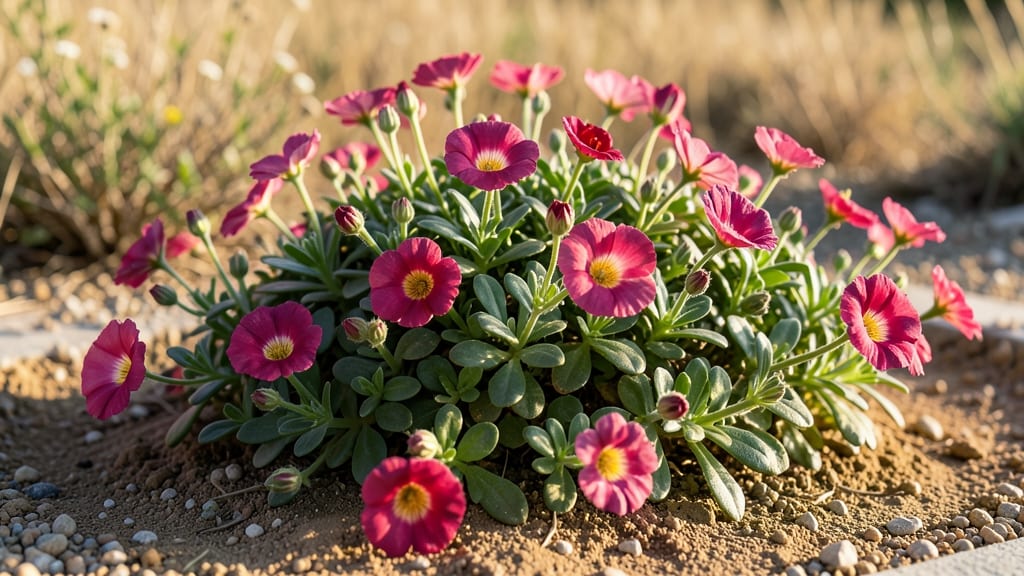
The portulaca flower season transforms even the driest garden into a vibrant splash of color from early summer through frost 🌸, but timing is everything if you want nonstop blossoms.
Picture this: your neighbors’ portulaca fades by July, while yours keeps going strong into September. The secret? Knowing when to expect peak blooms, how to spot regional differences, and a few simple care tricks that make all the difference.
In most areas, including USDA Zone 6, portulaca kicks off its show in June and rides the heat wave until the first frost. But in warmer climates, it can flower year-round, while cooler spots see shorter seasons.
I’ll break down the exact months for your region and how to stretch those bold blooms as long as possible.
You’ll also discover where to find wild portulaca thriving (hint: coastal dunes and desert edges), plus the easiest ways to deadhead and water to keep your plants putting on a show—without the guesswork.
Portulaca flower season timeline: month-by-month blooming guide
Portulaca, or moss rose, is one of the most colorful annuals that thrives in hot, sunny conditions. Unlike many flowers, it blooms continuously from early summer until frost, making it a garden staple for warm-season displays.
However, its exact bloom timeline depends heavily on your USDA hardiness zone and regional climate.
The earliest blooms appear in Zone 9 and above as soon as March or April, while gardeners in Zones 3-5 won’t see color until late May or June.
In tropical climates, portulaca can even flower year-round with minimal care. Let’s break down the month-by-month timeline for each zone.
| USDA Zone | Early Blooms | Peak Season | Late Blooms | Notes |
|---|---|---|---|---|
| 3-5 (Cold Climates) | Late May | June - August | Early September | Needs frost protection |
| 6-8 (Temperate) | Early June | July - September | Mid-October | Thrives in heatwaves |
| 9-11 (Tropical) | March | April - October | November | Can rebloom year-round |
In Zones 3-5, portulaca seeds germinate slowly in cool soil, so I recommend starting them indoors 4-6 weeks before your last frost date. Once planted, early blooms appear around late May, but the real show begins in June and July when temperatures rise above 75°F.
The peak bloom period for temperate zones (6-8) spans July through September, where portulaca’s bright colors—ranging from crimson to yellow—dominate summer gardens. In Zone 7, for example, I’ve seen my ‘Sunset Portulaca’ variety produce non-stop blooms until mid-October if deadheaded regularly.
Gardeners in Zones 9-11 enjoy the longest portulaca season, with early blooms in March and late blooms extending into November. In Southern California or Florida, portulaca often self-seeds and returns year after year, creating wildflower-like displays in sunny, sandy soils.
One key difference between temperate and tropical zones is water needs. In hot, dry climates, portulaca thrives with minimal watering, while cooler zones may require light irrigation to prevent bud drop during heatwaves. Always water in the early morning to avoid fungal issues.
To extend the season, I recommend deadheading spent blooms weekly and mulching with gravel to retain heat. In containers, portulaca blooms earlier because the soil warms faster. For longer vase life, harvest flowers in the cool of the morning and change water daily.
If you’re in a cooler microclimate within a warmer zone, portulaca may bloom later or produce fewer flowers. In these cases, plant near a south-facing wall or use black plastic mulch to warm the soil faster.
With the right sun exposure and well-draining soil, portulaca will reward you with bold summer color until frost.
For container gardeners, portulaca’s compact size makes it perfect for balconies and patios. In Zone 10, I’ve kept potted portulaca blooming through winter by moving it to a sheltered spot and reducing water. The secret? Full sun and zero humidity stress.
Whether you’re in frost-prone Zone 5 or tropical Zone 11, portulaca’s adaptability ensures season-long color. Mark your calendar for peak bloom months, and don’t forget to save seeds from your favorite varieties for next year’s garden! ☀️🌸🌿
Best locations to spot wild and cultivated portulaca blooms
Portulaca thrives in the wildest corners of the planet—think coastal dunes in California, arid deserts of Australia, and sunbaked Mediterranean hillsides where few other plants dare to grow 🌵. These drought-resistant beauties love the heat, making them perfect for regions with long, hot summers and minimal rainfall.
If you’re planning a road trip or simply want to admire them up close, these locations are your best bets for seeing portulaca in its natural glory.
For cultivated portulaca, botanical gardens and public parks in warm climates often feature them prominently. I’ve spotted stunning displays at places like the San Diego Botanic Garden and Royal Botanic Gardens Victoria in Australia, where they spill over rocky slopes and container gardens.
Even your own backyard can become a portulaca paradise with the right conditions—more on that later!
- 🌊 Coastal Dunes: Wild portulaca thrives in sandy soils near ocean shores, especially in California and Australia. Look for pink, yellow, and red blooms in summer months.
- 🏜️ Desert Edges: In Southwest U.S. and Mediterranean regions, portulaca grows wild along desert highways and rocky outcrops, blooming from May to October.
- 🌿 Botanical Gardens: Top spots include San Diego Botanic Garden (California) and Royal Botanic Gardens Victoria (Australia), where portulaca cascades in rock gardens and containers.
- 🏡 Home Gardens: Perfect for containers or rocky beds in USDA Zones 7-11. Plant in full sun for nonstop blooms from June to frost.
- 🌍 Mediterranean Climates: Regions like Southern Europe and Chile see year-round blooms, with peak displays in late spring and summer.
If you’re in California, don’t miss the wild portulaca displays along the Pacific Coast Highway, where they carpet the dunes in pink, yellow, and magenta hues from June through September. These coastal blooms are a magnet for pollinators, making them a must-see for nature lovers 🐝.
For a more curated experience, visit local nurseries in Southern California, where you’ll find a wide variety of cultivated portulaca ready to take home.
In Australia, portulaca is a staple in garden beds and hanging baskets, especially in Perth and Melbourne. The Royal Botanic Gardens Victoria often features them in themed displays, showcasing their versatility in both ground covers and container plants.
If you’re visiting in spring or summer, you’ll find them blooming almost year-round, thanks to the mild climate.
For those in Mediterranean climates, portulaca is a garden superstar. In regions like Southern Spain or Greece, it thrives in rock gardens and sloped beds, where it spills over edges in a riot of color.
Even in cooler microclimates, portulaca can be grown in containers and brought indoors before frost to extend the flower season.
No matter where you are, portulaca’s adaptability makes it a joy to grow. Whether you’re admiring wild blooms on a road trip or cultivating your own drought-resistant garden, these vibrant flowers are sure to brighten up your space—with minimal effort on your part! 🌸