
Shrubs
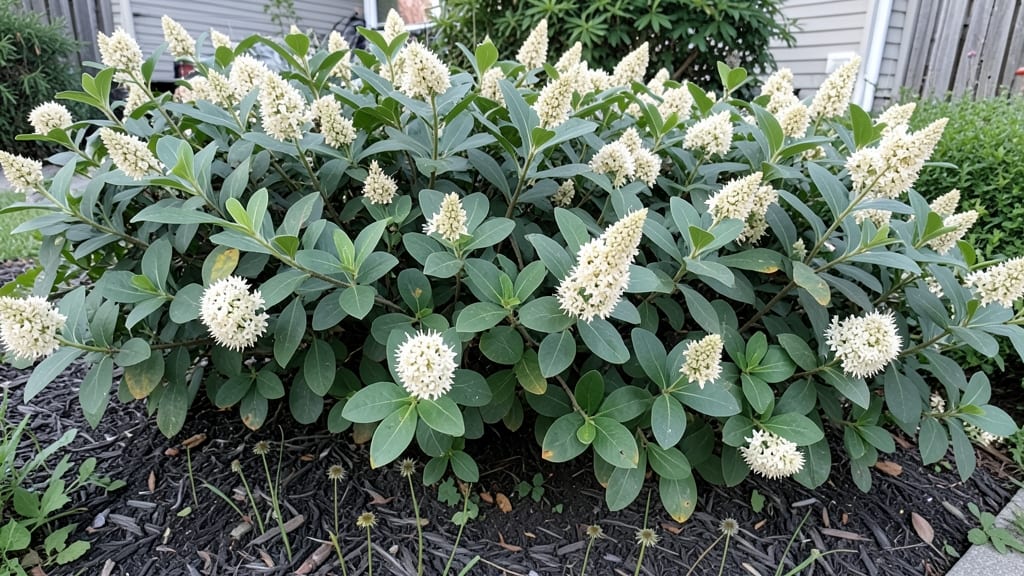
Your privet hedge flowering could be more vibrant with the right care—these fragrant blooms are easier to encourage than you think.
If your 🌿 privet hedge has been looking dull and unproductive, understanding its flowering cycle—and how to encourage more blooms—could transform it into a fragrant, vibrant focal point in your garden.
Privet hedges bloom in late spring, but their potential depends on soil, sunlight, and pruning. Too much shade or improper trimming can stunt those white or creamy clusters, leaving you with a hedge that’s all structure and no show.
In this guide, I’ll walk you through the exact timing for pruning, the best soil mix for blooms, and simple tricks to coax more flowers—so you can enjoy that sweet, jasmine-like scent year after year.
When does a privet hedge flower & what to expect
Privet hedges (Ligustrum spp.) burst into bloom each spring, offering delicate white, pink, or yellow flowers that attract pollinators. Understanding their flowering cycle helps you anticipate this seasonal spectacle and troubleshoot issues like sparse blooms.
Most varieties flower between late April and June, though timing varies by climate and plant maturity.
Young privet hedges may take 2-3 years to flower after planting, as they focus energy on root and foliage growth. Mature hedges (3+ years old) typically produce more abundant blooms, especially if given proper care. In warmer climates (USDA Zones 7-9), some varieties may rebloom lightly in fall.
Healthy privet flowers appear as dense, fragrant clusters along the stems, often followed by small black berries in late summer. These berries are toxic to humans but provide food for birds.
If your hedge produces fewer flowers than expected, check for overpruning (which removes next year’s blooms) or nutrient deficiencies.
Stressed privet hedges may show pale, sparse flowers or none at all. Signs of stress include yellowing leaves, stunted growth, or wilting. These issues often stem from overwatering, poor drainage, or compacted soil. Amending soil with compost and ensuring proper drainage can revive flowering potential.
In cooler climates (USDA Zones 5-6), privet hedges may delay flowering until late May or early June due to slower spring growth. If your hedge hasn’t bloomed by early June, consider its sun exposure, soil health, or age.
Young plants often need a year or two to establish before flowering.
Privet flowers are self-pollinating, meaning they don’t require cross-pollination from other plants. However, bees and butterflies still visit for nectar, making your hedge a pollinator-friendly addition to the garden. To encourage more blooms, avoid heavy pruning in late summer or fall, as this removes next year’s flower buds.
If your privet hedge flowers but the blooms are small or sparse, it may need a balanced fertilizer (10-10-10) in early spring. Over-fertilizing with nitrogen can lead to lush foliage but fewer flowers.
Aim for a moderate feeding schedule (every 4-6 weeks during growing season) to balance growth and blooming.
For year-round interest, choose varieties like Ligustrum x vicaryi ‘Loddon Gold’, which offers golden foliage year-round and abundant spring blooms. Other cultivars, such as Ligustrum japonicum, produce dark green leaves and white flowers, adding texture and color to your landscape.
Monitor your privet hedge for pests like scale insects or spider mites, which can weaken the plant and reduce flowering. Early intervention with horticultural oil or insecticidal soap helps maintain plant health and ensure vibrant blooms season after season.
How to encourage more privet hedge flowering: pruning & care tips
Privet hedges (Ligustrum spp.) produce beautiful clusters of white, pink, or yellow flowers that attract pollinators, but many gardeners struggle to get their hedges to bloom abundantly. The key lies in proper pruning timing, nutrient balance, and stress reduction.
Unlike some shrubs, privet flowers on new growth, so aggressive pruning can actually reduce blooms if done incorrectly. Let’s break down the essential steps to maximize those fragrant blooms next season.
First, focus on soil health and watering consistency. Privet thrives in well-draining, slightly acidic soil (pH 6.0–7.0) with regular moisture—but never soggy roots. Overwatering or poor drainage stresses the plant, diverting energy away from flowering. Test your soil’s pH and amend with compost or peat moss if needed.
A balanced fertilizer (like 10-10-10) applied in early spring gives your hedge the nutrients it needs to produce more flowers. Avoid heavy nitrogen, which promotes leafy growth at the expense of blooms.
⚠️
Privet flowers on new wood, meaning blooms form on current season’s growth. If you prune after mid-summer, you risk cutting off next year’s flower buds. Never prune in fall or winter—this is the #1 reason privet hedges fail to bloom. Instead, prune right after flowering (late spring to early summer) to encourage fresh, vibrant growth for next season’s blooms.
When it comes to pruning techniques, use sharp, clean tools (bypass pruners or hedge shears) to make clean cuts just above a leaf node or bud. Avoid shearing too tightly, which can create dense, shaded centers that reduce airflow and flowering.
Instead, use the "thinning-out" method—remove 1/3 of the oldest stems each year to improve light penetration and air circulation. This encourages more flower clusters by reducing competition for resources.
Watering plays a surprisingly big role in flowering. Privet hedges need deep, infrequent watering—about 1–2 inches per week during dry spells. Water early in the morning to prevent fungal diseases like powdery mildew, which can stress the plant.
Mulch around the base with 2–3 inches of organic mulch (like shredded bark) to retain moisture and regulate soil temperature. Avoid over-mulching, which can suffocate roots and lead to rot.
Finally, watch for common issues that sabotage blooms. Over-fertilizing with nitrogen (like lawn fertilizer) leads to lush leaves but few flowers. Underwatering or drought stress also reduces flowering potential. If your privet looks yellow or wilted, it may be nutrient-deficient or root-bound.
In this case, transplant or repot (if in containers) and adjust your care routine. With the right balance of pruning, nutrients, and water, your privet hedge can transform into a fragrant, flower-filled masterpiece year after year.
For best results, combine these tips into a seasonal care plan:
- Spring: Fertilize + light pruning
- Summer: Water deeply + monitor for pests
- Fall/Winter: Minimal pruning (only to shape)
🌿