
Pruning
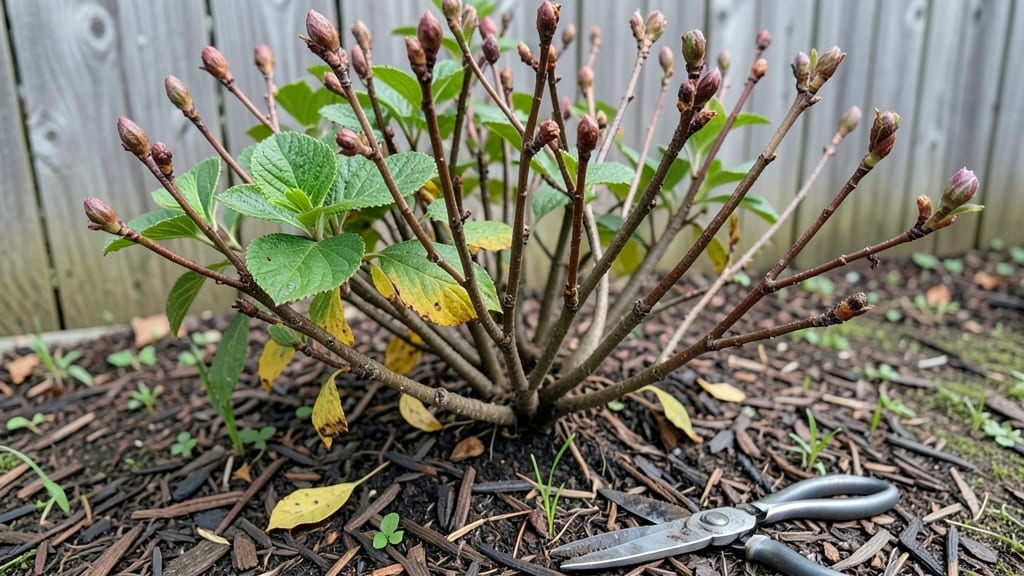
Pruning hydrangea flowers isn’t just about cutting back—it’s the secret to turning last year’s floppy blooms into this year’s showstopping clusters. 🌸 I’ve pruned my lacecap hydrangeas for five seasons now, and the difference between a well-pruned plant and one left to its own devices?
Night and day. One year, I skipped it entirely, and my bushes produced half the flowers, all on the tips of the branches.
The timing and technique depend on your hydrangea type: mopheads bloom on old wood, while lacecaps and panicle types bloom on new growth. Grab your pruners, a pair of gloves, and a bucket for clippings—you’ll need about 30 minutes and a clear morning to avoid stressing the plant.
The goal is to shape the plant, encourage airflow, and redirect energy where you want it: more blooms, not more leaves.
After pruning, you’ll see fresh green shoots within weeks, and by next summer, your hydrangeas will be denser and more productive than ever. The blooms come in bigger, the colors stay vibrant longer, and the plant looks fuller from every angle.
Just don’t overdo it—hydrangeas hate being sheared too hard, which is how you end up with leggy, sparse growth.
This trick works for gardeners in zones 4 through 9, though timing shifts slightly with your climate. In colder areas, prune in late winter or early spring; in warmer zones, you can prune right after blooming. The key is knowing your hydrangea’s personality—once you do, pruning becomes second nature.
📚 In This Guide
- What you need
- Instructions
- Tips and common mistakes
- Wrapping up and next steps
What you need
- ● Bypass pruners – Sharp, clean, and disinfected (1 pair, 6-8" blades). Avoid anvil pruners—they crush stems!
- ● Loppers – For thicker stems (1 pair, 8-12" blades). Look for ratcheting handles for leverage.
- ● Garden gloves – Heavy-duty, cut-resistant (1 pair). Thorns aren’t just on roses!
- ● Rubbing alcohol (70%+) – For sterilizing tools between cuts (small bottle).
- ● Sharpie or permanent marker – To label pruned branches if needed (1 pen).
- ● Hydrangea-specific fertilizer – Post-pruning boost (granular or liquid). Check for acid-loving plant formulas.
- ● Mulch (pine bark or shredded leaves) – 2-3 inches to retain moisture (1 bag).
- ● Pruning saw – For stubborn, woody stems (1 small saw, 10-12").
- ● Wheelbarrow or bucket – To collect clippings (1 medium-sized).
- ● Knee pads or stool – For comfort if pruning large bushes.
- ● Know your hydrangea type (e.g., mophead, panicle, oakleaf)—pruning timing varies!
- ● Check the weather forecast—prune on a dry, calm day (avoid rain for 24 hours).
- ● Have a clean workspace—lay down a tarp or old sheet to catch debris.
How to prune hydrangeas for continuous, abundant blooms
This simple approach works for all hydrangea types—just follow the seasonal cues.
✂️ Step 1: Identify Your Hydrangea Type First
Hydrangeas bloom in two distinct ways, and pruning them wrong can mean no flowers next year. Bigleaf hydrangeas (Hydrangea macrophylla) produce buds on old wood—last year's growth—and need a gentler touch. Smooth hydrangeas (Hydrangea arborescens) and panicle types (Hydrangea paniculata) bloom on new wood, so you can prune more aggressively in late winter.
Look at your plant now: if it has woody stems with flower clusters on last year's growth, it's an old-wood bloomer. If the flowers appear on the tips of current year's shoots, it's a new-wood type. I always double-check by examining a few stems—this single step prevents costly pruning mistakes.
⏰ Step 2: Time Your Pruning by Season and Type
For old-wood bloomers, prune right after flowering in late summer or early fall. Wait until the blooms fade completely—this ensures next year's buds are already forming. Cut back spent flower clusters by about ⅓ of the stem length, but never remove more than that. You're shaping, not renewing.
For new-wood types, prune in late winter or early spring before new growth starts. Cut back last year's stems by ⅓ to ½ their height—this encourages bushier, more abundant blooms. I always prune when the plant is still dormant; new growth will mask any mistakes you make.
🌿 Step 3: Prune for Shape and Airflow
Step back and look at your hydrangea's overall shape. Remove any dead, crossing, or weak stems first—they compete for energy and reduce airflow. Use clean, sharp pruners to make cuts at a 45-degree angle, about ¼ inch above a leaf node or outward-facing bud. This prevents water from pooling and causing rot.
For old-wood types, focus on thinning out crowded centers. New-wood types can handle more aggressive thinning—cut back to 3-5 strong stems if the plant is overgrown. The goal is to let light and air reach the center; hydrangeas reward good airflow with bigger, healthier blooms.
💧 Step 4: Clean Up and Feed After Pruning
Remove all pruned material from the area—don't leave it on the ground. Hydrangeas are susceptible to fungal diseases, and old stems can harbor pests. After pruning, water deeply to help the plant recover. I always add a balanced, slow-release fertilizer (like 10-10-10) to support new growth.
Mulch around the base with 2-3 inches of organic mulch to retain moisture and regulate soil temperature. This is especially important for old-wood types, which need stable conditions to set next year's buds. Avoid heavy mulch piles against the stems—keep it 2-3 inches away to prevent rot.
Tips & tricks for pruning hydrangeas like a pro
Here's the secret to keeping your hydrangeas blooming beautifully year after year—these tricks will save you from costly mistakes and ensure your plants thrive.
Type Identification is Everything: I can't emphasize enough how important it is to correctly identify whether your hydrangea is an old-wood or new-wood type before you prune. Old-wood types like bigleaf hydrangeas need that gentle touch after flowering, while new-wood types like smooth or panicle hydrangeas can handle more aggressive pruning in late winter. Pro tip: Look for flower clusters on last year's growth for old-wood types, or flowers growing at the tips of current year's shoots for new-wood types. This single step prevents the most common pruning mistake that leads to no flowers next year.
Seasonal Timing Matters: The timing in Step 2 is absolutely critical. For old-wood types, wait until blooms fade completely before pruning in late summer or early fall. This ensures next year's buds are already forming. For new-wood types, prune in late winter or early spring before new growth starts. I've seen people prune at the wrong time and end up with leafless stems and no flowers—don't make that mistake! The dormant season is your window for new-wood types because any pruning cuts will be masked by new growth.
Pruning Angle and Airflow Secrets: When making cuts in Step 3, always aim for that 45-degree angle about ¼ inch above a leaf node. This creates a natural water runoff and prevents rot. For old-wood types, focus on thinning out crowded centers to improve airflow—this is what leads to those lush, abundant blooms. I've learned the hard way that cutting too close to the base can actually damage the plant. Think of it like giving your hydrangea a spa treatment—you're removing dead weight and improving circulation.
Post-Pruning Care Makes All the Difference: After you've finished pruning, don't just walk away! Remove all pruned material immediately to prevent fungal diseases. I always water deeply after pruning to help the plant recover, and then add a balanced fertilizer like 10-10-10. The mulching step is especially important for old-wood types—keep that 2-3 inch layer of organic mulch 2-3 inches away from the stems to prevent rot while maintaining moisture. This aftercare routine is what transforms good pruning into spectacular blooms.
Pro Tips for Prune Hydrangea Flowers
- Here's the secret to keeping your hydrangeas blooming beautifully year after year—these tricks will save you from costly mistakes and ensure your plants thrive.
- Type Identification is Everything: I can't emphasize enough how important it is to correctly identify whether your hydrangea is an old-wood or new-wood type before you prune.
- Seasonal Timing Matters: The timing in Step 2 is absolutely critical.
Frequently asked questions
Got questions about pruning hydrangea flowers? You’re not alone—this popular task can feel a little confusing at first. Here are answers to the most common concerns to help you feel confident and informed as you shape your hydrangeas for next season’s blooms!
When is the best time to prune hydrangea flowers?
The ideal time depends on your hydrangea type! For mophead and lacecap hydrangeas (like Hydrangea macrophylla), prune in early spring—just as new growth starts. For panicle hydrangeas (like Hydrangea paniculata), you can prune in late winter or early spring. Avoid pruning in fall, as it may encourage tender new growth that won’t survive winter.
Can I prune hydrangea flowers in summer?
Summer pruning is possible, but it’s best for panicle hydrangeas only—these bloom on new wood, so light trimming in mid-summer won’t hurt. For mophead/lacecap hydrangeas, summer pruning can reduce blooms for next year since they bloom on old wood. If you must prune in summer, do it sparingly and focus on dead or diseased branches.
What should I do if my hydrangea doesn’t bloom after pruning?
If your hydrangea skips blooming, check these common issues:
- Pruned too late in the season—wait until early spring next year.
- Over-pruned—leave at least 4–6 healthy buds per stem.
- Lack of sunlight—hydrangeas need 6+ hours of sun daily.
- Poor soil—ensure well-draining, slightly acidic soil (pH 5.5–6.2).
Do I need special tools to prune hydrangea flowers?
No fancy tools required! A sharp, clean pair of pruning shears (or loppers for thicker branches) is all you need. Sterilize your tools with rubbing alcohol before and after use to prevent disease. Avoid dull blades—they crush stems instead of making clean cuts, which can invite rot. A small pair of gloves will also protect your hands from thorns!
What if my hydrangea looks dead after pruning?
Don’t panic—hydrangeas can look bare after pruning, but they’ll bounce back! If branches are completely brown and brittle, they’re likely dead, and you can cut them back to live wood. If the stem snaps but still has green underneath, it’s alive. Water deeply after pruning and avoid fertilizing until new growth appears. Patience pays off—blooms will return!
Wrapping up and next steps
Pruning your hydrangeas might feel like a big task, but with the right timing and technique, you can transform your garden into a year-round blooming paradise! 🌸 Whether you’re targeting mophead or panicle varieties, the key is patience and precision—trust the process, and your hard work will pay off in stunning, vibrant blooms.
Ready to take the next step? Grab your pruners, mark your calendar, and start planning your pruning schedule for early spring or late winter. Your hydrangeas—and your neighbors—will thank you!