
Flowers
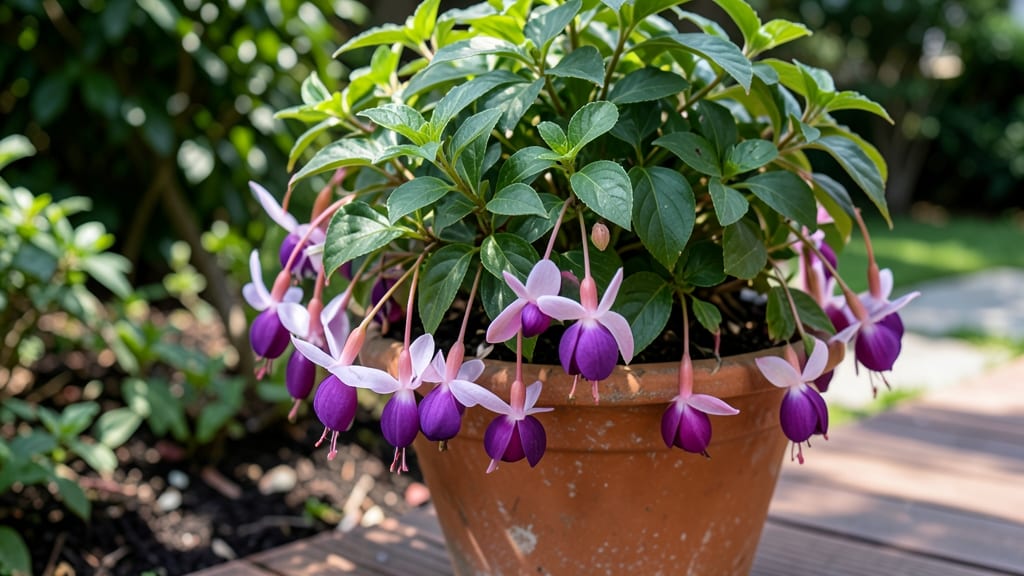
Purple fuchsia flowers 🌸 bring a burst of color and life to gardens, effortlessly attracting hummingbirds with their nectar-rich blooms.
If you're dreaming of a vibrant garden that hummingbirds can't resist, these stunning blooms deliver year-round color and pollinator power. Their cascading petals create a dramatic focal point, whether in hanging baskets or along garden borders.
What makes purple fuchsias truly special is their versatility. They thrive in partial shade, making them perfect for understory plantings or as companions to other shade-loving plants like impatiens or astilbes. Their easy-care nature means even beginners can enjoy their beauty without the fuss.
In this guide, you'll discover the best purple fuchsia varieties for your garden, how to plant and care for them to maximize blooms, and creative ways to arrange them for stunning visual impact. Let's turn your garden into a hummingbird haven!
Top 5 purple fuchsia varieties that thrive in hummingbird gardens
If you're dreaming of a vibrant garden that hummingbirds can't resist, purple fuchsia flowers are the secret weapon you need. These stunning blooms deliver year-round color and pollinator power, especially when you choose the right varieties.
Hummingbirds adore the nectar-rich flowers of fuchsias, and purple hues create a striking contrast that draws their attention. Let's explore the top 5 purple fuchsia varieties that will transform your garden into a hummingbird haven.
Purple fuchsias aren't just beautiful—they're hummingbird magnets. Their tubular shapes and abundant nectar make them irresistible to these tiny, energetic pollinators. The right purple varieties will ensure your garden stays lively from spring through fall, with some even blooming into winter in warmer climates.
Whether you prefer compact varieties for containers or taller plants for borders, there's a purple fuchsia perfect for your space.
| Variety | Height | Bloom Season | Hummingbird Appeal | Best For |
|---|---|---|---|---|
| 'Goliath' | 2-3 ft | Summer-Fall | High nectar, large flowers | Borders, containers |
| 'Violet Queen' | 1.5-2 ft | Spring-Fall | Abundant blooms, long season | Hanging baskets |
| 'Little Violet' | 1-1.5 ft | Summer-Fall | Compact, frequent blooms | Window boxes |
| 'Lady Thumb' | 1-2 ft | Spring-Fall | Disease-resistant, nectar-rich | Shade gardens |
| 'Royalty' | 2-3 ft | Summer-Fall | Deep purple, long-lasting | Backyard borders |
'Goliath' stands out as a hummingbird favorite with its large, deep purple blooms that appear from summer through fall. This variety thrives in partial shade and reaches heights of 2-3 feet, making it perfect for garden borders or large containers.
The abundant nectar makes it especially attractive to hummingbirds, which will visit repeatedly throughout the day.
'Violet Queen' is another standout, offering continuous blooms from spring until frost. Its compact size (1.5-2 feet) makes it ideal for hanging baskets, where its cascading flowers create a stunning display. Hummingbirds love the bright purple flowers, and this variety is particularly drought-tolerant once established, making it low-maintenance.
'Little Violet' lives up to its name with tiny but prolific blooms that cover the plant from summer through fall. This dwarf variety (1-1.5 feet) is perfect for window boxes or small containers on patios.
Its frequent blooming ensures a steady supply of nectar for hummingbirds, making it a reliable choice for pollinator gardens.
'Lady Thumb' is a disease-resistant variety that thrives in shadier conditions, making it ideal for gardens with limited sunlight. Its bright purple flowers bloom from spring to fall, providing year-round interest.
This variety is particularly valued for its hardiness and ability to attract hummingbirds even in less-than-ideal growing conditions.
'Royalty' is the showstopper of purple fuchsias, with deep, velvety purple blooms that last longer than most varieties. Reaching 2-3 feet tall, it's perfect for backyard borders or mixed flower beds.
The rich color and abundant nectar make it a hummingbird magnet, ensuring your garden stays lively with constant activity.
When selecting purple fuchsias for your hummingbird garden, consider both the plant's height and bloom season. For year-round color, mix varieties like 'Violet Queen' (spring-fall) with 'Goliath' (summer-fall) to ensure continuous blooms.
Place taller varieties like 'Royalty' at the back of borders and compact types like 'Little Violet' in containers or window boxes for maximum visual impact.
Remember that hummingbirds prefer tubular
How to plant and care for purple fuchsias to maximize blooms
Transform your garden into a hummingbird haven by planting purple fuchsias—their vibrant blooms attract pollinators while adding dramatic color. These tender perennials thrive with the right care, producing flowers from summer to frost. The key to continuous blooms lies in proper planting, sunlight exposure, and seasonal maintenance.
Unlike sun-loving annuals, purple fuchsias prefer partial shade to prevent scorched leaves while still needing bright light for robust growth. I’ve found that planting them near east-facing windows or under dappled tree shade creates the perfect balance.
Let’s dive into the essential steps to ensure your fuchsias stay lush and blooming all season.
🌱 Essential Care Checklist for Purple Fuchsias
- 🌿 Soil: Mix 50% peat moss with 50% perlite for well-draining soil (pH 6.0-6.5).
- ☀️ Sunlight: Provide 4-6 hours of morning sun + afternoon shade.
- 💧 Watering: Keep soil consistently moist but never soggy; water at soil level (avoid wetting leaves).
- ✂️ Pruning: Trim spent blooms weekly to encourage new flowers; cut back 1/3 of stems in early spring.
- 🌷 Fertilizer: Use balanced 10-10-10 every 4-6 weeks during growing season (spring-fall).
- 🌡️ Winter Care: Overwinter indoors near bright light (60°F+); reduce watering to bi-weekly.
When planting, choose a location with protected afternoon shade—this prevents leaf burn while ensuring enough light for flowering. I recommend planting purple fuchsias in hanging baskets or near trellises to mimic their natural epiphytic growth habits.
For container gardening, select pots with drainage holes and use a lightweight potting mix to prevent root rot.
One of my favorite tricks for maximizing blooms is deadheading spent flowers weekly. This simple step redirects the plant’s energy toward producing new buds instead of seed pods. Additionally, I fertilize with a low-nitrogen formula (like 5-10-5) to promote flowering over leafy growth.
Remember, purple fuchsias are heavy feeders but hate soggy roots—always water at the base and avoid overhead sprinkling.
Seasonal adjustments are crucial for year-round success. In spring, prune back leggy growth to encourage bushier plants, while in fall, gradually reduce watering as temperatures drop.
If you live in USDA Zone 8 or warmer, you can leave them outdoors year-round with a thick layer of mulch for insulation. For colder climates, dig up containers and store them in a cool, bright spot until spring.
With these care tips, your purple fuchsias will reward you with nonstop blooms and frequent hummingbird visits. The secret? Consistency—provide the right balance of light, water, and nutrients, and these stunning plants will thrive for years to come. Happy gardening! 🌸