
Plants
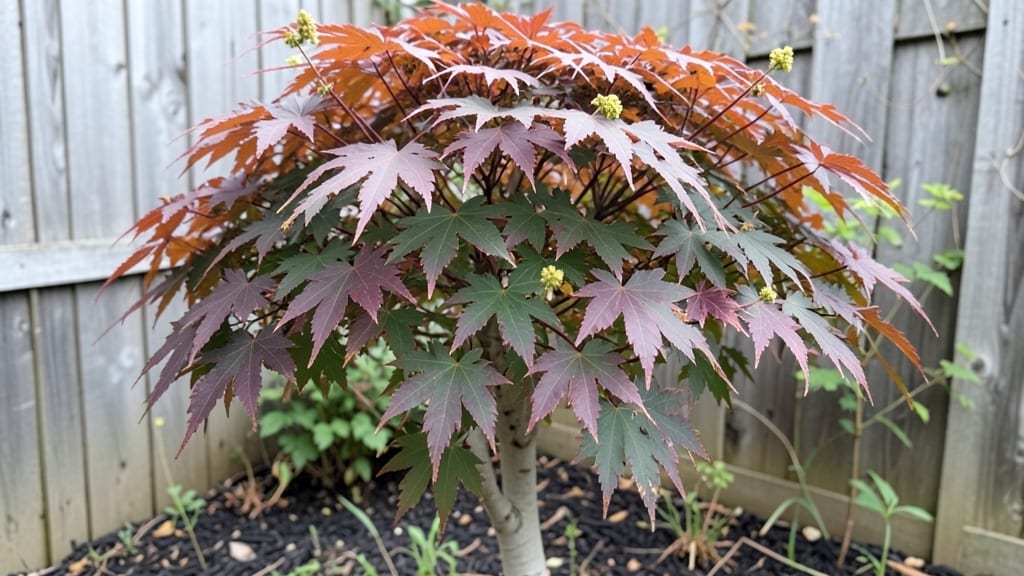
The Redvein Flowering Maple 🌿 delivers the kind of bold, fiery foliage that makes your garden the envy of the neighborhood—but only if you prune it right.
Picture this: a tree that should be blazing red all season, instead fading to a dull, washed-out green. That’s what happens when pruning gets overlooked, and it’s a heartbreak for any gardener who’s spent good money on this standout plant.
The good news? With the right timing and techniques, you can keep those vibrant veins popping year-round.
In Zone 6, where this maple thrives, the secret lies in understanding when to cut (spring vs. late winter) and how to shape it without sacrificing its signature color.
I’ll walk you through the exact steps—from removing dead branches to enhancing those deep red veins—so your tree stays as striking as the day you planted it.
Ready to unlock the full potential of your Redvein Flowering Maple? Let’s get into the pruning secrets that’ll keep your garden looking like a masterpiece, not a missed opportunity.
Best pruning techniques for redvein flowering maple foliage health
The redvein flowering maple (Acer palmatum 'Bloodgood') thrives with proper pruning to maintain its vibrant red foliage. Unlike other maples, this variety relies on strategic cuts to enhance color contrast and promote healthy growth.
Pruning at the right time and with the right tools ensures your maple stays lush and year-round spectacular. I’ll walk you through the essential techniques to keep your tree’s foliage bold and healthy.
Pruning isn’t just about removing dead branches—it’s about shaping the canopy to maximize sunlight exposure and airflow. The redvein contrast in the leaves becomes more striking when the tree isn’t overcrowded.
Start by identifying problem branches (dead, crossing, or weak growth) and remove them first. This step prevents disease and improves foliage vibrancy.
Timing is critical. Late winter or early spring, just before new growth begins, is ideal for structural pruning. Avoid heavy pruning in summer or fall, as it can stress the tree and dilute the red tones.
Use sharp, clean tools to make precise cuts—this minimizes damage and speeds up healing.
Use bypass pruners for small branches, loppers for thicker stems, and a pruning saw for large limbs. Sterilize tools with rubbing alcohol to prevent disease spread.
Target deadwood, crossing branches, and weak growth. Look for branches growing inward or rubbing against others—these reduce foliage quality.
Cut just outside the branch collar at a 45-degree angle. Avoid leaving stubs, which invite pests and disease. Seal larger cuts with pruning sealant if needed.
Remove 20-30% of the canopy to improve airflow and enhance redvein visibility. Focus on the outer branches to maintain an open, airy structure.
Prune to create a natural, balanced shape. Avoid over-pruning one side, which can cause uneven growth. Step back frequently to assess the tree’s silhouette.
Remove all pruned debris from the area to prevent fungal growth. Disinfect tools again before storing to keep them ready for next season.
After pruning, monitor your redvein flowering maple for new growth. The first flush of leaves in spring will reveal how well your pruning efforts paid off. If you notice pale or weak foliage, it may indicate over-pruning or nutrient deficiency.
In this case, apply a balanced fertilizer (10-10-10) in early spring to support recovery.
For long-term health, avoid heavy pruning in summer. This can stress the tree and reduce its ability to develop vibrant fall colors. Instead, focus on light maintenance pruning during the growing season to remove only damaged or diseased branches.
This keeps the tree energized for seasonal color changes.
One of my favorite techniques is selective thinning to highlight the redvein contrast. By removing branches that block sunlight from reaching the center of the tree, you create a stunning display of deep red and green foliage. This method works especially well for specimen maples in garden landscapes.
If your maple has water sprouts (fast-growing, vertical shoots), prune them back immediately. These energy drains can weaken the tree and reduce foliage vibrancy. Use hand pruners to snip them at the base, and you’ll see a noticeable improvement in overall health.
Remember, patience is key with redvein flowering maples. It can take a few seasons to see the full color impact of your pruning efforts. But with consistent care, your tree will reward you with year-round drama and garden-centerpiece status. 🌿
Seasonal pruning schedule to maximize redvein maple color
The redvein flowering maple (Acer palmatum 'Bloodgood') thrives on precise seasonal care to maintain its vibrant red foliage. Each season demands a different approach—spring cleans up, summer shapes, and fall/winter prepares for dormancy.
Skipping these steps risks dulling those stunning crimson veins and compromising overall health. Let’s break down the essential tasks for each season to keep your maple’s color bold and bright year-round.
Timing is everything with redvein maples. Prune at the wrong time, and you’ll either stress the tree or miss critical growth phases. For example, late winter pruning removes deadwood before new growth, while summer shaping enhances airflow to prevent fungal issues.
Below, I’ve mapped out a clear seasonal schedule with actionable tips to maximize those fiery red tones.
| Season | Primary Task | Key Focus | Avoid |
|---|---|---|---|
| Late Winter (Feb-Mar) | Cleanup Pruning | Remove dead/diseased branches and thin crowded areas | Over-pruning (never remove >25% of canopy) |
| Spring (Apr-May) | Structural Pruning | Shape for balanced growth and open canopy for sunlight | Pruning new growth (wait until buds swell) |
| Summer (Jun-Aug) | Light Maintenance | Trim water sprouts and thin to improve airflow | Heavy pruning (stresses tree) |
| Fall (Sep-Oct) | Minimal Pruning | Remove crossing branches to prevent winter damage | Pruning after first frost (dormant season) |
| Winter (Nov-Feb) | Dormant Inspection | Check for winter burn and plan spring cuts | Pruning frozen branches (wait for thaw) |
Spring is your best time to shape your redvein maple. Focus on removing weak or crossing branches while the tree is still dormant but buds are swelling. Use sharp bypass pruners to make clean cuts just outside the branch collar.
This encourages vigorous new growth and maintains the tree’s natural form, which is key for those show-stopping red veins.
During summer, avoid heavy pruning—this stresses the tree and can dull foliage color. Instead, do light maintenance like trimming water sprouts (shoot-like growth) and thinning the canopy to improve air circulation.
This prevents fungal issues like anthracnose, which can turn leaves brown and ruin that deep red contrast you love.
Fall pruning is minimal but critical. Remove any crossing or rubbing branches to prevent winter damage. Avoid heavy cuts, as the tree is preparing for dormancy. If you notice yellowing leaves, it might signal nutrient deficiency—apply a balanced fertilizer in early fall to support next year’s color.
Winter is for observation, not pruning. Check for winter burn (brown leaf edges) and plan your spring cuts. If branches are frozen, wait until they thaw before pruning to avoid jagged cuts that invite disease. A little patience now means brighter foliage come spring.
Common mistakes? Over-pruning in spring or ignoring deadwood removal in winter. Both can weaken the tree and fade those vibrant red tones. Stick to the schedule, and your redvein maple will reward you with year-round drama.