
Blooming
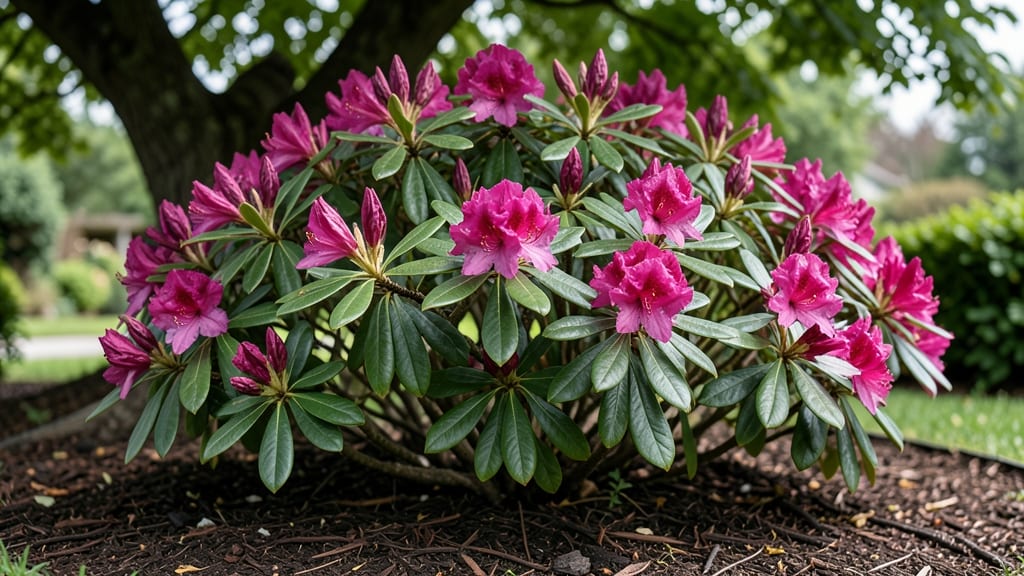
The rhododendron flowering period transforms your yard into a stunning spring display 🌸, with each variety bringing its own burst of color and charm.
Wondering when your rhododendrons will burst into vibrant blooms? The flowering period varies dramatically by variety and climate zone—getting it wrong could mean missing the show entirely.
In USDA Zone 6, where most gardeners live, blooms typically arrive in April or May, but cooler zones like 5 push them back to late May or June, while warmer zones like 7-8 may see earlier flowers as soon as March.
Below, I’ll break down the exact months for popular varieties, how climate shifts bloom times, and 5 proven tips to coax your rhododendrons into their longest, most vibrant flowering season yet.
Rhododendron flowering period by variety: exact months for popular types
The rhododendron flowering period is one of the most anticipated events in spring gardening, offering a dazzling array of colors from pink to purple and even white.
However, not all varieties bloom at the same time—some burst into flower as early as March, while others wait until June. Understanding your specific variety’s timeline helps you plan pruning, fertilizing, and even garden design to maximize their impact.
Bud formation typically begins in late winter, but the actual bloom window varies by rhododendron type. Early bloomers like 'Catawbiense' often start in April, while late-season varieties like 'Kurume' azaleas may not peak until June.
Below, I’ve organized the most popular varieties by their typical flowering months in USDA Zone 6, along with key visual cues to watch for.
| Variety | Bloom Months (Zone 6) | Bud Formation | Notes | |||||||||||||||||||||||||
|---|---|---|---|---|---|---|---|---|---|---|---|---|---|---|---|---|---|---|---|---|---|---|---|---|---|---|---|---|
| 'Catawbiense' | April - May | Late Feb - Early March | Large, deep purple blooms; early bloomer | |||||||||||||||||||||||||
| 'Nova Zembla' | May - Early June | March | Pink with yellow centers; fragrant | |||||||||||||||||||||||||
| 'P.J.M.' | May - June | Late March | Lavender-pink blooms; compact growth | |||||||||||||||||||||||||
| Kurume Azaleas | May - June | April | Dwarf variety; vibrant colors | |||||||||||||||||||||||||
| 'Carolina Ruby' | June - July | April | Deep red blooms; late-season | |||||||||||||||||||||||||
| 'Elizabeth' | April - May | Late Feb | White with pink edges; early bloomer | |||||||||||||||||||||||||
| 'Girard's Roseum' | May - June | March | Pink with white centers; fragrant | |||||||||||||||||||||||||
| 'Roseum Elegans' | June - July | April | Soft pink blooms; late-season | |||||||||||||||||||||||||
| 'Yaku Princess' | May - June | April | White with pink tips; dwarf azalea | |||||||||||||||||||||||||
| 'Alice' | June - July | April | Deep pink blooms; late-season | |||||||||||||||||||||||||
How climate zones shift rhododendron blooming times (USDA map guide)Your rhododendron flowering period isn’t set in stone—it shifts dramatically based on your USDA climate zone. In Zone 7, blooms may appear as early as late March, while gardeners in Zone 5 often wait until mid-May for the same variety to flower. These delays happen because cold snaps delay bud formation, and heat waves can stress plants before they bloom. Even within the same zone, microclimates create exceptions. For example, the Pacific Northwest’s mild winters let rhododendrons bloom 2-3 weeks earlier than identical plants in the Southeast, where late frosts can push blooms back. Understanding these shifts helps you time pruning, fertilizing, and even fall planting for optimal spring color. Here’s how USDA zones 4-9 directly impact your rhododendron’s bloom schedule, including frost-sensitive varieties and regional outliers:
In Zone 4, where winters are harsh, rhododendrons often wait until late May to bloom because buds need consistent warmth to break dormancy. Meanwhile, in Zone 9, early bloomers like ‘Catawbiense’ may flower as soon as January, but they’re vulnerable to unexpected late frosts—a common issue in Southern California and Florida. One regional exception is the Pacific Northwest, where Zone 7-8 rhododendrons bloom 3-4 weeks earlier than their counterparts in the Southeast. The cooler, wetter climate reduces heat stress, while the Southeast’s humidity can cause bud rot if drainage isn’t perfect. To adapt, I always mulch heavily in fall and water deeply in summer to protect roots from heat. If you’re in a transition zone (like Zone 6b), start by planting late-blooming varieties like ‘Nova Zembla’ to avoid frost damage. For early bloomers, like ‘Roseum Elegans,’ add a lightweight frost cloth in late winter for extra protection. Small adjustments like these can turn a hit-or-miss bloom season into a reliable spring spectacle. |