
Trees
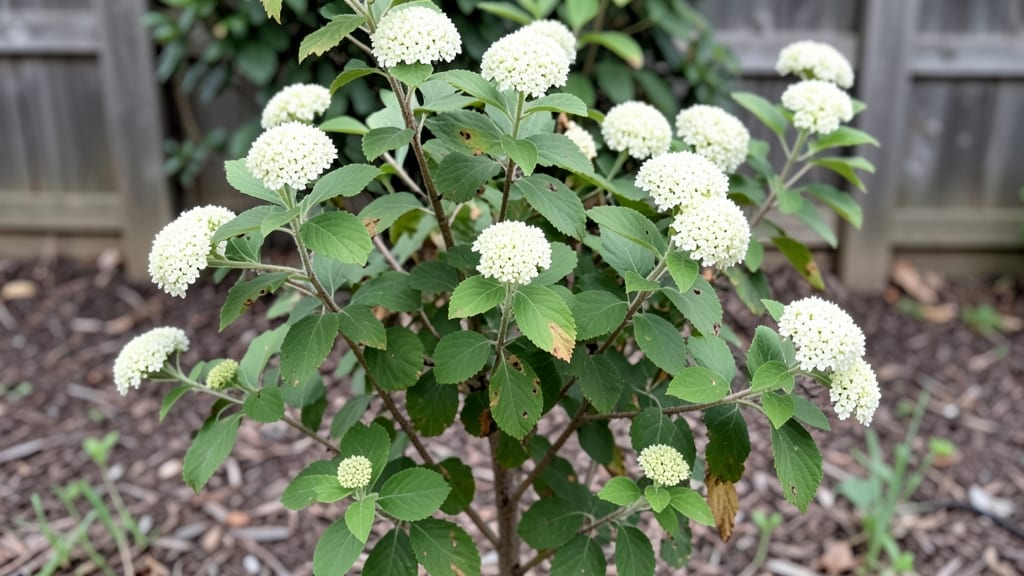
Growing a snowball flower tree 🌸 means welcoming clouds of white blooms that turn heads every spring, but only if you get the basics right.
Picture this: a 10-foot-tall beauty bursting with pristine white flowers that last for weeks, only to see them shrink to a handful of sad stems the next year. That’s what happens when soil, sun, or pruning go wrong—and it’s easier to fix than you think.
From USDA Zone 6a to your backyard, this guide covers the exact planting window, soil tricks, and pruning schedule that turn a struggling shrub into a showstopper. No guesswork, just proven steps for year-round blooms.
You’ll learn how to space these trees for maximum impact, when to feed them for bigger flowers, and the simple pruning hack that doubles next year’s display. Let’s get started.
How to plant and prune snowball flower trees for maximum blooms
The snowball flower tree (Viburnum opulus or Hydrangea arborescens) is a showstopper in any landscape, but its cloud-like blooms only reach their full potential with the right planting and pruning techniques.
Whether you're planting a new sapling or shaping an established tree, these steps will ensure your snowball hydrangea thrives for decades. The key? Proper spacing, well-draining soil, and strategic pruning to encourage dense growth.
Many gardeners make the mistake of planting too close to structures or other plants, which restricts airflow and invites fungal diseases. I’ve seen snowball bushes struggle with powdery mildew simply because they were crowded.
Let’s fix that with a foolproof planting and pruning plan tailored to maximize those iconic white blooms. The best time to plant is early spring or fall, when temperatures are mild and the tree can establish roots without stress.
Step-by-Step Planting & Pruning Guide
- Choose the right location: Select a spot with full sun to partial shade (6+ hours of sunlight daily). Avoid low-lying areas where water pools.
- Test and amend soil: Snowball trees prefer moist, well-draining soil with a slightly acidic pH (6.0-7.0). Mix in compost or peat moss if your soil is heavy clay.
- Dig the planting hole: Make it twice as wide as the root ball but only 2-3 inches deeper. Loosen the sides to encourage root spread.
- Position the tree: Place the root ball so the top is level with the ground. Fill gaps with native soil, tapping gently to remove air pockets.
- Water thoroughly: Soak the soil to a depth of 12 inches and create a 4-inch mulch ring around the base (keep mulch away from the trunk).
- Space properly: Plant 10-15 feet apart for mature size. If planting near a fence or wall, leave at least 6 feet of clearance for airflow.
- Prune for shape: In late winter or early spring (before buds swell), remove dead or crossing branches. Cut back overgrown stems by 1/3 to encourage bushier growth.
- Shape for airflow: Open the center of the tree by thinning out dense growth. This prevents disease buildup and ensures sunlight reaches inner branches.
- Avoid summer pruning: Pruning after June 15th can reduce next year’s blooms. Save heavy pruning for dormant season only.
- Fertilize lightly: Apply a balanced 10-10-10 fertilizer in early spring and again after blooming. Over-fertilizing leads to leafy growth at the expense of flowers.
When pruning, always use clean, sharp tools to make 45-degree cuts just above a bud or branch collar. I recommend sterilizing your shears with rubbing alcohol between cuts to prevent spreading bacterial infections.
For established trees, focus on removing suckers (shoots at the base) and thinning out weak stems to maintain an open, airy structure.
One common mistake is pruning too aggressively in early spring. While it’s the ideal time to shape your tree, cutting back more than 1/3 of the canopy can stress the plant.
Instead, I suggest gradual pruning over 2-3 years if your tree is severely overgrown. This approach mimics natural growth patterns and reduces shock.
For maximum blooms, pay attention to the tree’s growth habit. Snowball hydrangeas bloom on old wood, meaning flowers form on last year’s growth. Avoid heavy pruning in fall or winter, as this can remove next year’s flower buds.
If you must prune late, limit cuts to dead or damaged branches only.
In USDA zones 3-8, snowball trees are hardy and low-maintenance once established. However, in hotter climates (zones 9-10), provide afternoon shade to prevent leaf scorch. I’ve noticed that mulching in late fall with 3-4 inches of wood chips helps insulate roots during winter, especially in colder regions.
Finally, monitor your tree for signs of stress, such as yellowing leaves or dropping buds. These could indicate overwatering, nutrient deficiencies, or poor drainage. Adjust your care routine accordingly—snowball hydrangeas are forgiving but reward attentive gardeners with years of stunning blooms.
With these steps, your snowball flower tree will become the star of your garden, bursting with cloud-like blossoms every spring. Happy gardening! 🌸
Snowball flower tree care calendar: seasonal tasks for healthy growth
The snowball flower tree (Viburnum opulus) thrives when you align your care with its natural growth cycles. Each season brings unique tasks to ensure your tree stays healthy and bursts into those iconic white blooms year after year.
From spring pruning to winter protection, timing is everything for optimal results. Let’s break down the essential monthly tasks to keep your tree flourishing.
Understanding the monthly care calendar helps you stay proactive. For example, early spring is prime time for pruning and fertilizing, while summer mulching conserves moisture and prevents weeds. In fall, focus on disease prevention and preparing the tree for dormancy.
Winter tasks are minimal but critical to protect against frost and cold winds. Here’s your step-by-step guide to seasonal success.
| Season | Task | Frequency | Key Tips |
|---|---|---|---|
| Early Spring (March - April) | Prune and fertilize | Once | Remove dead wood; apply balanced fertilizer (10-10-10). |
| Late Spring (May) | Water deeply | Weekly | Ensure 1 inch of water per week for new growth. |
| Summer (June - August) | Mulch and monitor pests | Monthly | Add 2-3 inches of mulch; watch for aphids or spider mites. |
| Fall (September - October) | Light feeding and disease prevention | Once | Apply light fertilizer; clean up fallen leaves to prevent fungal diseases. |
| Winter (November - February) | Protect from frost | As needed | Wrap young trees with burlap or use tree wraps. |
In early spring, your snowball flower tree wakes up from dormancy, making it the perfect time to prune dead branches and shape the tree for better airflow. This also stimulates new growth and sets the stage for vibrant blooms later in the season.
Pair this with a balanced fertilizer application to give your tree the nutrients it needs to thrive. Think of this as a fresh start—just like spring cleaning for your garden!
As summer arrives, focus on consistent watering and mulching to retain soil moisture. Your tree will need about 1 inch of water per week, but adjust based on rainfall. Mulching also suppresses weeds and regulates soil temperature, which is especially helpful in hot climates.
Keep an eye out for pests like aphids, which can weaken your tree if left unchecked. A quick spray of neem oil can work wonders.
When fall rolls around, your snowball flower tree begins preparing for dormancy. This is the time to reduce watering slightly and apply a light fertilizer to strengthen roots before winter.
Remove any fallen leaves or debris from around the base to prevent fungal diseases like leaf spot. A clean workspace now means fewer headaches come spring.
Winter care is minimal but crucial, especially for young trees. While mature snowball flower trees can handle cold temperatures, young specimens may need extra protection. Wrap the trunk with burlap or a tree guard to shield it from harsh winds and frost.
Avoid pruning during this time, as it can stress the tree and leave it vulnerable to winter damage. Instead, focus on keeping the area around the base clear of snow buildup.