
Plants
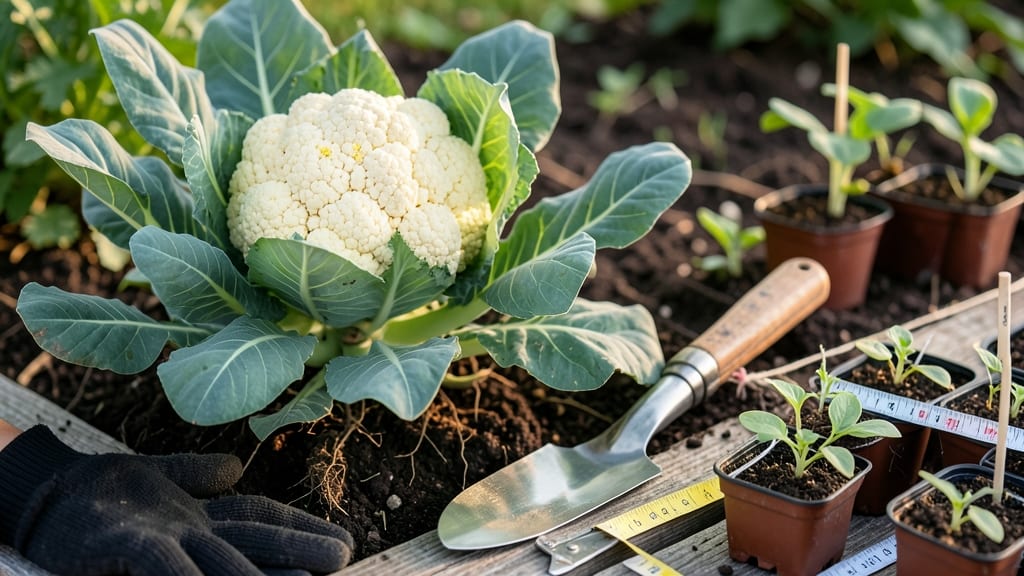
Spacing cauliflower plants correctly is the key to those perfect, tight heads you’ve been dreaming of 🥬 — and skipping it means wasted space, stunted growth, or worse, a crop lost to disease.
Picture this: you’ve just planted your spring garden, and by July, your cauliflower heads are the size of golf balls instead of dinner plates. That’s not just a missed harvest — it’s a lesson in how much airflow and sunlight matter.
Too close, and your plants compete for nutrients; too far apart, and you’re leaving valuable real estate empty.
In this guide, I’ll break down the exact spacing you need based on your variety, soil type, and even your climate zone. We’re talking 18 to 36 inches between plants, but why?
Because proper spacing isn’t just about fitting more in — it’s about giving each plant room to thrive, from root depth to leaf spread.
Ready to stop guessing and start growing? You’ll learn how to adjust for different conditions, spot the early signs of overcrowding, and even squeeze in extra plants without sacrificing quality. Let’s get those heads bushy and beautiful.
Ideal cauliflower plant spacing: how far apart should they be?
Proper cauliflower spacing is the foundation of a thriving crop. Too close, and you’ll battle disease and stunted heads. Too far, and you waste precious garden space. The right distance ensures sunlight penetration, air circulation, and room for those prized cauliflower heads to plump up.
Whether you're growing dwarf varieties in containers or standard types in raised beds, spacing rules vary—but the principles stay the same.
Cauliflower plants fall into three main categories based on head size and growth habit: dwarf, semi-dwarf, and standard. Each requires different spacing to prevent competition for nutrients and sunlight.
For example, dwarf varieties like 'Snowball Y' need less room than towering 'Purple of Sicily,' which can grow over 2 feet tall. Your planting method—whether in-ground, raised beds, or containers—also dictates spacing adjustments.
Here’s the critical rule: Spacing = head diameter + 12–18 inches. This accounts for leaf spread and airflow. For instance, a 6-inch head variety needs at least 18–24 inches apart, while a 12-inch head demands 30–36 inches.
Skimping on space? Expect yellowing leaves, blight, or heads that never fully form. Let’s break it down by variety and method for foolproof results.
For in-ground planting, stick to the table’s spacing guidelines. But here’s a pro tip: if your soil is rich and fertile, you can tighten spacing by 10–15%. Poor soil?
Add 20–30% extra room to compensate for slower growth. Always amend soil with compost or aged manure before planting—cauliflower is a heavy feeder and needs nutrients to support those hefty heads.
Raised beds offer more flexibility. Since they warm up faster and drain better, you can reduce spacing by 20% compared to in-ground. For example, dwarf varieties can thrive at 12 inches apart in raised beds, while standard types still need 24 inches.
Just ensure your bed is at least 12 inches deep—cauliflower roots run deep, and shallow beds stunt growth. Mulch with straw or grass clippings to retain moisture and suppress weeds without crowding plants.
Container growing changes the game. Dwarf varieties thrive in 12-inch pots (one plant per container), while semi-dwarf types need 18-inch pots. Standard varieties require 24-inch pots or larger—any smaller, and roots become root-bound, leading to
Common mistakes that stunt cauliflower growth (and how to fix them)
If your cauliflower plants are struggling to form tight heads or look leggy and weak, the issue might be spacing-related—and you’re not alone. Many gardeners unintentionally crowd their brassicas, thinking more plants mean a bigger harvest.
But without proper airflow and sunlight, your cauliflower will fight for resources, leaving you with small, loose heads or worse, fungal infections like clubroot disease.
Let’s tackle the top mistakes that sabotage your crop, starting with the most critical: overcrowding. When cauliflower plants are too close, they compete for nutrients, water, and light, leading to stunted growth and poor head development.
Even if your garden looks full, spacing matters more than density when it comes to quality yields.
Another silent killer is soil compaction, which happens when you walk on freshly planted beds or use heavy tools. Compacted soil restricts root growth, making it harder for plants to absorb water and nutrients. Combine this with poor spacing, and your cauliflower will struggle from day one.
Cauliflower plants need 18-36 inches apart (depending on variety). Planting them too close—like 12 inches or less—causes:
- Stunted heads (golf ball-sized instead of dinner plate)
- Increased disease risk (fungal spores thrive in damp, crowded conditions)
- Poor airflow (leads to rot and yellowing leaves)
Fix it now: Thin seedlings to the correct spacing within 2 weeks of planting. If already crowded, remove every other plant immediately to restore airflow.
Don’t overlook companion planting pitfalls either. While cauliflower pairs well with herbs like dill or thyme, planting it next to potatoes or strawberries can attract pests or compete for nutrients. Even well-meaning companions like beans might steal nitrogen if not balanced with proper spacing.
To salvage a mid-season crop, start by pruning lower leaves to improve airflow and redirect energy to head formation. If soil is compacted, loosen it gently with a fork—just 2-3 inches deep—to avoid damaging roots. For severely crowded plants, consider transplanting some to a nearby bed if conditions allow.
Remember, proper spacing isn’t just about fitting more plants—it’s about giving each one the room to grow strong, healthy heads. With these fixes, you’ll see a noticeable improvement in just 2-3 weeks, and your next harvest will be the best yet.