
Advice
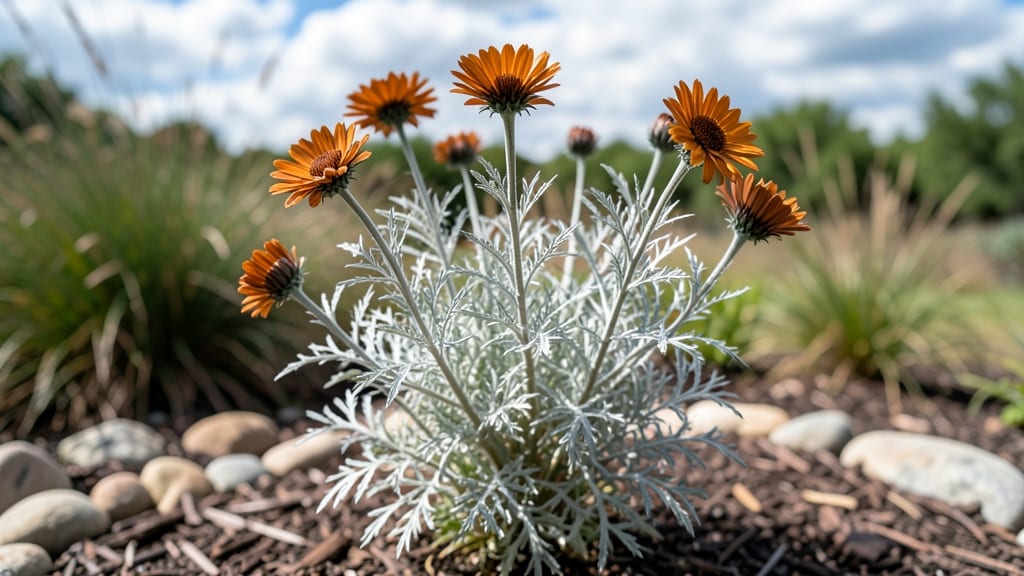
Strawflowers take 60 to 120 days to reach full maturity from seed, but the exact timeline depends on your climate, soil, and variety — and knowing these factors is the key to planning your garden for vibrant blooms.
Picture this: you’ve sown your seeds in early spring, only to watch them stretch toward the sky at a snail’s pace, leaving you wondering if they’ll ever bloom. The truth is, strawflowers 🌼 thrive with the right conditions, and a few simple adjustments can shave weeks off their maturity time.
In warmer zones like 6a, where spring planting kicks off in April, you can expect dwarf varieties to mature in as little as 60 days, while standard types may take up to 12 weeks.
Cooler climates or slower starts could push that timeline to 4 months, but don’t let that discourage you—with the right care, you’ll still get those long-lasting, papery blooms.
Below, I’ll break down how to read your strawflowers’ growth signals, when to expect those first buds, and how to troubleshoot delays so you’re not left guessing whether your garden will deliver on time.
Strawflower days to maturity by variety: exact timelines for peak blooms
Timing your strawflower harvest just right means knowing the exact days to maturity for each variety. These drought-loving beauties (Helichrysum bracteatum) thrive in USDA zones 3–10 but show dramatic differences in growth speed based on variety and sunlight.
Whether you're growing ‘Mojave’ for its bold colors or ‘Dwarf’ varieties for containers, understanding these timelines ensures you plan your garden for peak bloom success.
Most strawflower varieties reach maturity between 7–12 weeks from seed, but this range can shrink to 5–8 weeks in ideal conditions. The key factors? Full sun exposure (6+ hours daily) and well-draining soil.
Partial shade can stretch maturity timelines by 2–4 weeks, while cooler climates may need an extra 1–2 weeks of patience. Let’s break down the specifics for popular varieties so you can set realistic expectations for your garden.
| Variety | Days to Maturity (Full Sun) | Days to Maturity (Partial Shade) | Mature Height | Best For |
|---|---|---|---|---|
| ‘Mojave’ (Standard) | 7–10 weeks | 9–12 weeks | 2–3 ft | Cut flowers, borders |
| ‘Dwarf’ Series | 5–8 weeks | 7–10 weeks | 8–12 in | Containers, window boxes |
| ‘Giant’ (e.g., ‘Limelight’) | 8–12 weeks | 10–14 weeks | 3–4 ft | Back of borders, dried arrangements |
| ‘Pink Profusion’ | 6–9 weeks | 8–11 weeks | 1–2 ft | Mass plantings, cut bouquets |
| ‘Moonwalk’ (White) | 7–10 weeks | 9–12 weeks | 2–3 ft | Wedding arrangements, dried florals |
The ‘Dwarf’ varieties are the fastest maturers, often blooming in just 5–8 weeks when given full sun. This makes them perfect for container gardening or adding instant color to small spaces. If you’re growing them in partial shade, expect delays—sometimes up to 2 extra weeks.
For example, my ‘Dwarf Pink’ strawflowers in a north-facing container took 10 weeks to bloom, while the same variety in a south-facing bed bloomed in 7 weeks.
On the opposite end, ‘Giant’ varieties like ‘Limelight’ need more time to reach their full 3–4 ft height. These take 8–12 weeks in full sun, but their dramatic blooms make the wait worthwhile.
I planted ‘Limelight’ in early May in my Zone 7 garden, and they didn’t reach peak bloom until late July—perfect timing for summer arrangements. If you’re in a cooler climate (Zones 3–5), start seeds indoors 6–8 weeks before your last frost date to avoid delays.
Light conditions play a huge role in strawflower maturity. In full sun, these plants grow 30–50% faster than in partial shade. For instance, my ‘Mojave’ strawflowers in a south-facing bed bloomed in 8 weeks, while identical plants in a morning sun location took 11 weeks.
To maximize speed, place your strawflowers in the
How to accelerate strawflower maturity: pro tips for faster blooms
Want those strawflower blooms to appear weeks sooner? The secret lies in strategic planting and optimal growing conditions. Strawflowers typically mature in 60–120 days, but with the right tweaks, you can cut that timeline by up to 30%.
Start by planting in early spring (April–May) when soil temps hit 60°F, as cooler starts delay germination by 10–14 days.
Another game-changer is soil pH. Strawflowers thrive in 6.0–7.0 pH—test your soil and amend with lime (to raise pH) or sulfur (to lower it). A well-draining mix with compost also speeds up root development, ensuring faster foliage and bloom production.
Skip heavy clay soils, or your plants will languish waiting for roots to establish.
🌱 3 Pro Tips to Speed Up Strawflower Maturity
- 1. Plant in spring (April–May) when soil is 60°F+ for faster germination.
- 2. Adjust soil pH to 6.0–7.0 and use well-draining compost.
- 3. Pair with marigolds to repel pests and boost growth.
Don’t overlook the power of companion planting. Pair strawflowers with marigolds or basil to deter pests like aphids, which can stunt growth. Marigolds also release compounds that enhance nearby plant health, reducing the days to maturity by 7–10 days.
Avoid planting near tomatoes, though—they compete for nutrients and slow down your strawflowers.
For post-harvest care, deadhead spent blooms immediately to encourage new flower production. This trick can extend your harvest window by 2–4 weeks, especially for dwarf varieties like ‘Mojave’.
Store cut stems in cool water (50°F) to preserve their papery texture and vibrant colors for up to 2 weeks—longer than most fresh-cut flowers.
Finally, fertilize lightly every 4–6 weeks with a 5-10-10 NPK blend. Over-fertilizing leads to lush foliage but fewer blooms. Focus on root feeding in early spring to kickstart growth, then switch to bloom-boosting fertilizers once stems reach 6 inches tall.
With these science-backed strategies, your strawflowers will mature faster, bloom brighter, and reward you with long-lasting cut flowers—all while keeping your garden thriving. Happy growing! 🌼