
Blooming
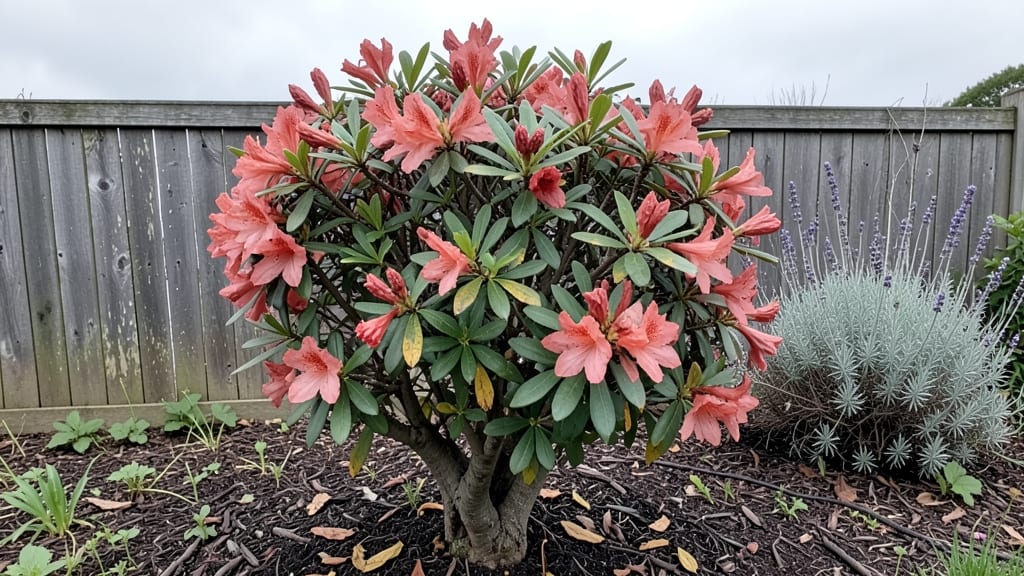
Summer flowering azaleas 🌸 bring bold, long-lasting color to your garden from late spring through summer—if you know their exact needs.
Imagine a garden bursting with vibrant blooms from late spring through summer—summer flowering azaleas make this vision a reality, but only with the right care. These showstopping shrubs thrive when you master their unique needs, from soil secrets to seasonal pruning.
Unlike their spring-blooming cousins, these varieties love the heat and reward you with months of color—but they demand acidic soil, the right sunlight balance, and a smart watering schedule. Skip any of these, and you’ll end up with sparse blooms or wilted leaves.
In this guide, I’ll walk you through every step, from planting in USDA Zone 6a to pruning for next year’s showstopping display. Let’s get those azaleas blooming like crazy!
How to identify and select the best summer flowering azalea varieties
Summer flowering azaleas stand out from their spring-blooming cousins with their bold colors and heat-resistant nature. Unlike spring varieties that fade by June, these beauties thrive in late spring to summer, offering vibrant blooms when other shrubs rest.
The key to selecting the right variety lies in understanding their unique characteristics, climate compatibility, and color spectrum—each trait directly impacts their performance in your garden.
For heat tolerance, look for cultivars bred for USDA zones 6-9. These varieties handle summer sun better than traditional spring azaleas, which often struggle in midday heat. Additionally, summer-blooming types typically feature larger, showier flowers that last 4-6 weeks—double the duration of spring varieties.
Choosing the right one ensures your garden stays bursting with color when most other plants are dormant.
🌸
| Variety | Bloom Color | Heat Tolerance | Mature Height | Best USDA Zones | Notes |
|---|---|---|---|---|---|
| 'Girard's Pink Perfect' | Soft pink | Excellent | 3-4 ft | 6-9 | Fragrant, disease-resistant, blooms June-July |
| 'Coral Bells' | Coral | Very High | 4-5 ft | 7-9 | Drought-tolerant, long-lasting blooms, attracts hummingbirds |
| 'Summer Fun' | Red | High | 3-4 ft | 6-8 | Compact growth, repeat bloomer, thrives in full sun |
| 'Hino Crimson' | Deep red | Good | 4-6 ft | 5-8 | Classic summer bloomer, long vase life, thrives in partial shade |
| 'Girard's White Perfect' | White | Excellent | 3-4 ft | 6-9 | Elegant, fragrant blooms, low-maintenance, blooms June-August |
When selecting summer azaleas, prioritize color coordination with your garden palette. For example, 'Coral Bells' adds a warm hue that pairs beautifully with purple clematis or silver foliage plants. Meanwhile, 'Girard's White Perfect' offers a clean, crisp contrast against deep green shrubs like boxwood.
The red tones of 'Hino Crimson' create striking visuals when planted near blue hydrangeas or lavender.
Your climate zone plays a critical role in variety selection. In hotter zones (8-9), opt for 'Coral Bells' or 'Summer Fun', which handle intense sunlight and drought conditions.
For cooler zones (6-7), 'Girard's Pink Perfect' or 'Hino Crimson' provide reliable blooms without struggling in mild summers. Always check the USDA zone recommendations on seed packets or nursery tags to avoid disappointment.
🌿
Another key factor is flower size and shape. Summer azaleas typically produce larger blooms (1.5-3 inches wide) compared to spring varieties, which often have smaller, more clustered flowers. Larger blooms create a showstopping display and make excellent cut flowers.
If you love romantic garden aesthetics, choose varieties like 'Girard's Pink Perfect' with its ruffled petals and soft pink hue
Seasonal care schedule: sun, water, and soil secrets for year-round blooms
Summer flowering azaleas reward you with bold, long-lasting blooms when you follow a seasonal care routine tailored to their needs. Unlike spring varieties, these shrubs bloom later and need special attention to heat protection, soil moisture, and winter hardiness.
The key is balancing sun exposure, watering depth, and soil pH—all while preventing bud drop and extending their flowering season.
Your azaleas thrive with partial shade and morning sunlight, but summer heat can stress them. Mulching and deep watering are non-negotiable during peak bloom months. Winter prep is equally critical—acidic soil and protective mulch keep roots safe from freeze-thaw cycles.
Let’s break down the month-by-month tasks to keep your azaleas flourishing from spring to fall.
- Test soil pH (aim for 4.5-6.0)
- Apply balanced fertilizer (10-10-10) in early spring
- Prune dead or crossing branches after blooming
- Water deeply 2-3x weekly (morning only)
- Mulch with 2-3 inches of pine bark to retain moisture
- Provide afternoon shade during heatwaves
- Stop fertilizing by mid-September
- Add compost or peat moss to refresh soil
- Apply 3-inch mulch layer before frost
- Water monthly if no snow (lightly)
- Protect from salt spray near roads
- Monitor for bud formation in late winter
Summer is the most critical season for summer flowering azaleas—this is when they put on their best show! During peak heat months, I increase watering frequency to every 3-5 days and avoid overhead sprinkling to prevent fungal diseases.
A light shade cloth (30-50%) can save your plants during 90°F+ days), especially for varieties like 'Girard’s Pink' or 'Hino Crimson', which are heat-sensitive.
Don’t overlook soil pH adjustments—azaleas are acid-loving plants and struggle when soil becomes alkaline. I test my soil annually and amend with sulfur or pine needles if the pH creeps above 6.0.
This simple step prevents chlorosis (yellowing leaves) and keeps blooms vibrant. In Zone 6a, I also wrap young plants with burlap during harsh winters to shield them from drying winds.
For year-round success, combine these seasonal tasks with consistent monitoring. Watch for bud formation in late winter—this signals it’s time to reduce watering and prepare for spring’s nutrient boost.
With this schedule, your azaleas will reward you with non-stop color from June through August, and even into early fall in mild climates.
Pro tip: Group azaleas with companion plants like hydrangeas or ferns to create a moisture-retentive microclimate. This natural teamwork reduces your workload while keeping your garden looking effortlessly lush.