
Advice
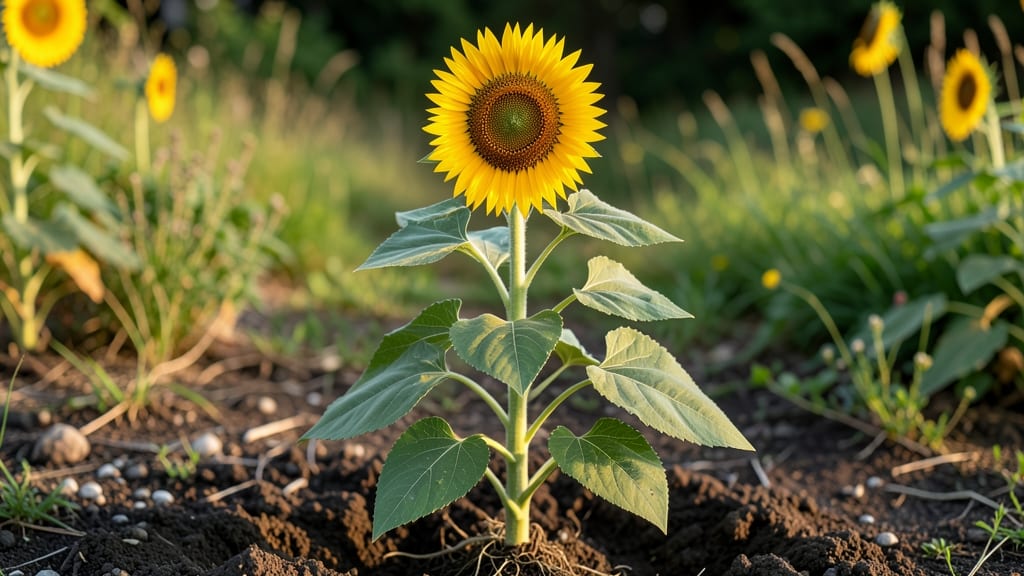
Sunflowers reach maturity in 45 to 120 days depending on the variety, but getting those exact numbers right is the difference between a garden full of towering 🌻 blooms and a season of waiting for flowers that never come.
Picture this: you’ve spent weeks tending to your sunflowers, only to realize too late that your chosen variety needs three extra months to bloom in your climate. That’s where the right timeline comes in—it’s not just about patience, but strategy.
From dwarf varieties that mature in as little as 50 days to giants that take nearly four months, each type has its own schedule. Throw in factors like your local frost dates or soil quality, and suddenly, those 60-day estimates on the seed packet feel like guesswork.
In this guide, I’ll break down the exact maturity timelines for popular sunflowers, show you how to adjust for your growing zone, and share the one trick that guarantees you’ll harvest at the perfect moment—no more missed blooms or wasted space.
Sunflower variety days to maturity chart by type and height
Sunflowers are one of the most rewarding plants to grow, but their days to maturity can vary dramatically depending on the variety and height you choose.
Whether you're planting dwarf sunflowers for containers or giant varieties as statement pieces, knowing the exact timeline helps you plan for peak blooms and seed harvests with precision. I’ve grown everything from 2-foot-tall 'Teddy Bear' to 14-foot 'Russian Giant', and the difference in timing is staggering.
Climate plays a huge role too—sunflowers in USDA Zone 9 with long summers mature faster than those in Zone 5, where cooler temperatures slow growth.
That’s why I’ve organized this chart by sunflower type, including dwarf, medium, and giant varieties, along with their average days to maturity and height ranges. Use this as your roadmap to avoid late-season disappointments and maximize your garden’s potential.
If you’re growing dwarf sunflowers like 'Moulin Rouge' or 'Teddy Bear,' you’ll see blooms in as little as 45 days, making them perfect for late-summer gardens or fall displays. These varieties are also great for cutting gardens because they mature quickly and produce long-lasting blooms.
I’ve used them in container gardens on patios with stunning results—just ensure they get 6+ hours of sun daily.
For medium-height varieties like 'Autumn Beauty' or 'ProCut,' plan for 60–80 days to maturity. These are my go-to choices for border plantings because they strike a balance between height and ease of care.
'Autumn Beauty' is especially prized for its color-changing petals, which shift from yellow to rust as they age—a stunning visual progression
How to calculate your sunflower’s exact harvest window based on planting date
Sunflowers are fast growers, but their exact harvest window depends on more than just the seed packet’s days-to-maturity estimate. Your local USDA zone, last frost date, and even the time of year you plant can shift that timeline by weeks.
For example, a Russian Giant might take 120 days in Zone 5 but only 90 days in Zone 8’s warmer climate.
To avoid planting too early (and risking frost damage) or too late (and missing peak blooms), you’ll need to factor in these three critical variables: your frost-free period, your sunflower variety’s maturity range, and whether you’re planting in spring or summer.
Let’s break it down step by step so you can pinpoint the exact window for harvesting those golden blooms.
- 1
- 2
- 3
- 4
- 5
Let’s say you’re in USDA Zone 6 (about 140 frost-free days) and want to grow ‘Autumn Beauty’, which takes 90 days to mature. Subtract 90 from 140, and you’ve got a 50-day window to plant—ideally between April 20 and June 10.
Planting in early May gives you a September harvest, perfect for capturing those deep red and yellow blooms.
For summer plantings, like in Zone 8 where frost-free days stretch to 200+, you can push your window later. A ‘Teddy Bear’ (55 days) planted on July 1 will bloom by August 25, giving you a second flush of color before fall.
Just remember: summer sunflowers need consistent watering to handle the heat.
Pro tip: Use a gardening journal to track your sunflowers’ progress. Note the date of germination, first bloom, and harvest day. Over time, you’ll refine your localized timeline and even experiment with succession planting for continuous blooms all season.
With this method, you’ll never again guess when your sunflowers will bloom. Instead, you’ll plan with precision, ensuring every seed you plant reaches its full, glorious potential—right on schedule. 🌻