
Planting
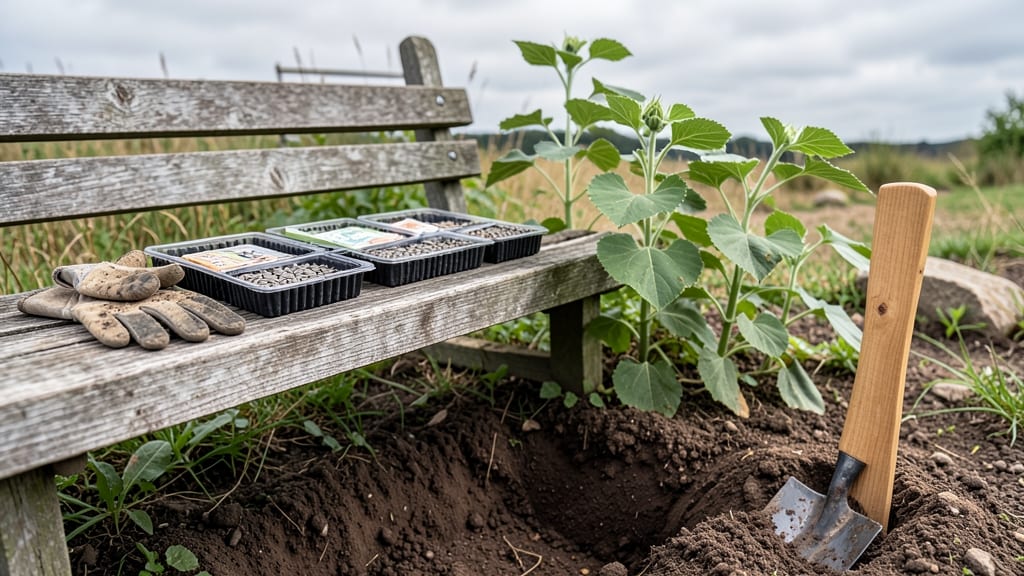
Planting sunflowers at the right time in the sunflower planting season can turn a 4-foot stalk into a 12-foot giant 🌻—and the difference often comes down to timing.
Picture this: You’ve cleared your garden bed, seeds in hand, only to watch your sunflowers top out at shoulder height while your neighbor’s tower over the fence. That’s not luck—it’s planting season strategy.
In most temperate zones, like 6a, the ideal window stretches from April to June, after the last frost. But regions with longer growing seasons—think warm climates—can start as early as March or even stretch into July.
Below, I’ll break down the exact dates for your zone, soil prep secrets to boost height, and how to adjust for giant varieties like Russian Mammoth. Ready to grow sunflowers that steal the show?

Best sunflower planting dates by US hardiness zone for maximum height
Sunflowers thrive when planted at the right time, and your USDA hardiness zone determines the perfect window for maximum stalk height. Plant too early, and frost can stunt growth; too late, and your Russian Mammoth may never reach its 12-foot potential.
Let’s break down the ideal planting dates by zone to ensure towering blooms.
For direct sowing (planting seeds outdoors), aim for when soil temperatures hit 55°F+ and frost risk has passed. In colder zones (3-5), start seeds indoors 2-3 weeks before the last frost date.
Warmer zones (7-8) can plant seeds directly as early as March for extended growing seasons.
Here’s the zone-by-zone breakdown of optimal planting windows, including trade-offs for early vs. late planting that affect height and bloom time:
In zones 3-4, late planting after June 15 risks stunted growth due to shorter daylight hours. For maximum height, prioritize early May sowing and use row covers to extend the season.
In zones 5-6, planting by April 15 ensures 8-12 foot stalks, while late plantings may only reach 6 feet.
For giant varieties like Russian Mammoth, early planting is critical. In zone 7, sow seeds by March 1 to give stalks 120+ frost-free days to mature. Delaying until April can reduce height by 30%. Use black plastic mulch to warm soil faster in cooler zones.
In warmer zones (7-10), you can plant year-round with successive sowings every 2-3 weeks for continuous blooms. For example, in zone 9, plant in January for early summer blooms and again in August for fall color. This staggered approach maximizes height and extends your sunflower season.
Pro tip: Test soil temperature with a soil thermometer—ideal planting occurs when it’s consistently 55°F+ for 5+ days. Cold soil delays germination, leading to uneven growth and weaker stalks. If your soil is too cold, wait 1-2 weeks or use heat mats for containers.
Remember, sunflowers love warmth and full sun. Planting at the right time ensures your stalks reach their genetic height potential, whether you’re growing dwarf varieties (2-4 ft) for containers or giants (10-14 ft) as garden focal
How to adjust planting time for giant sunflower varieties (Russian Mammoth, etc.)
Giant sunflower varieties like Russian Mammoth and Mammoth need extra care to reach their full 10+ foot potential. The key? Adjusting your planting time based on soil temperature and frost dates.
These cold-sensitive varieties won’t thrive if planted too early, but delaying too long can stunt their growth before the first frost hits.
Most gardeners in USDA zones 4-7 should wait until the soil warms to at least 55°F—a threshold that triggers faster germination and growth. Use a soil thermometer to check, or plant when your local frost-free date is 120 days away (giant varieties need a longer growing season).
- Step 1: Test soil temp at 55°F+ for 5 consecutive days before planting.
- Step 2: Use black plastic mulch to warm soil 5-10°F faster in cooler zones.
- Step 3: Plant in staggered rows every 2 weeks for extended blooms.
- Step 4: Avoid planting after July 15 in most zones—stalks won’t mature before frost.
- Step 5: Use row covers if nights dip below 45°F to protect young plants.
For northern climates (zones 3-4), start seeds indoors 6-8 weeks before the last frost, then transplant after soil warms. In southern zones (8+), you can plant as early as February or even stretch into August for fall blooms—just ensure 120+ frost-free days remain.
Staggered planting is my secret weapon for maximizing height. Instead of one big batch, sow seeds in 3 batches every 2 weeks. This ensures some plants are always in their fastest growth phase while others mature.
Plus, it extends your bloom time from 2-3 weeks to 6-8 weeks—perfect for cutting gardens!
Watch for yellowing leaves or stunted growth—signs your plants are too cold. If this happens, add a lightweight row cover during cool nights. And remember: Russian Mammoth needs 18+ inches of space between plants. Crowding will shrink their height by 30-50%.
With these adjustments, you’ll coax those towering stalks out of even the shortest growing seasons. Just imagine: 12-foot sunflowers blooming in your backyard by late summer! 🌻