
Planting
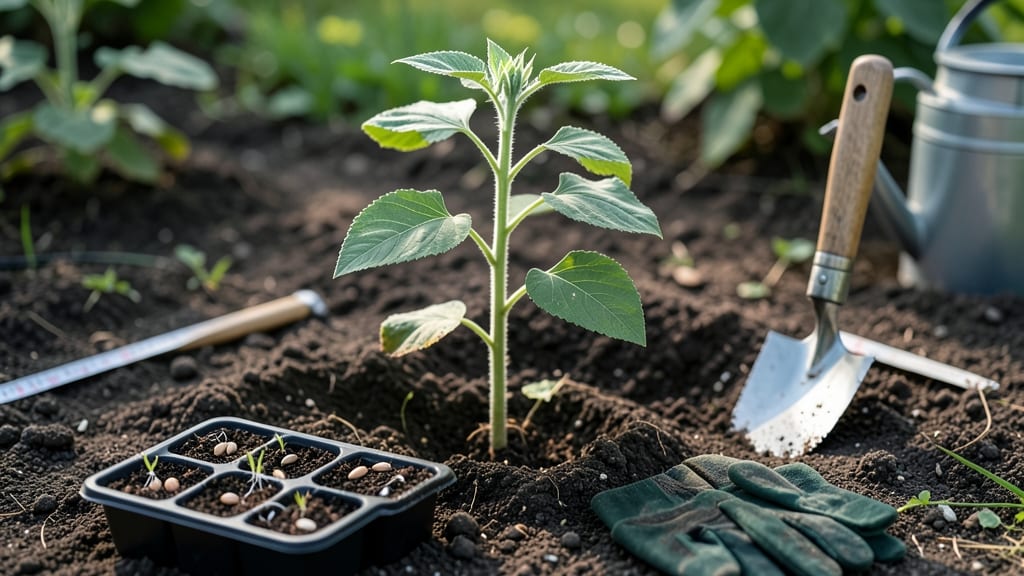
Timing your sunflower planting right is the secret to growing those 10-foot giants you’ve always dreamed of—because a few weeks make all the difference between a stunted plant and a towering masterpiece.
Picture this: You’ve cleared the garden bed, seeds in hand, and the calendar says "April"—but is that too early? Too late? In Zone 6a, where frost lingers until mid-April, planting 🌻 sunflowers just after the last frost (usually early May) gives them the full summer heat they crave.
Miss that window, and you’ll end up with sunflowers that barely clear your fence.
Here’s the good news: sunflowers are forgiving. You can still sow them in late May or even early June for a second crop, though giant varieties need the longest growing season possible.
The key is soil that’s warmed to at least 60°F—cold ground slows germination, leaving your seeds vulnerable to rot.
In this guide, I’ll break down the exact planting windows for your zone, how to adjust for giant varieties, and the three most common mistakes that keep sunflowers from reaching their full height. Let’s get those stalks soaring!

Best sunflower planting time by US growing zones
Timing is everything when you're aiming for 10-foot sunflowers. These giants need a long, warm growing season—typically 90-120 frost-free days—to reach their full height. Plant too early in cold zones, and frost will damage tender seedlings.
Too late, and your sunflowers won’t mature before fall. Let’s break down the perfect planting windows for each USDA zone to maximize those towering stalks.
Sunflowers thrive when soil temperatures hit at least 55°F (13°C). In cooler zones, this means waiting until late spring, while warmer climates can start as early as February. The key is balancing soil warmth with frost risk.
For giant varieties like 'Mammoth' or 'Russian Giant,' aim to plant when your last frost date is at least 10-12 weeks away—this gives them enough time to grow before cooler weather returns.
Here’s a zone-by-zone planting schedule to help you time it just right:
In Zones 3-4, where summers are short, focus on fast-maturing varieties like 'Autumn Beauty' or 'ProCut.' Plant seeds directly in the garden after the soil warms to 55°F (13°C), typically in late May.
Use row covers to extend the season if needed. For giant sunflowers, start seeds indoors 4-6 weeks before your last frost date to give them a head start.
Gardeners in Zones 5-6 have more flexibility. You can direct-sow seeds as early as mid-April if the soil is workable, but wait until early May for 10-foot varieties to ensure they have enough time to mature.
In these zones, succession planting works well—sow a second batch in early June for late-summer blooms. Always space seeds 6 inches apart and thin seedlings to 18 inches for optimal growth.
Warmer climates like Zones 7-10 allow for earlier planting, even as soon as February in Zone 7. Take advantage of this by direct-sowing seeds in late winter or starting them indoors in January.
In Zone 11, you can plant sunflowers year-round, but aim for fall and winter plantings to avoid the intense summer heat. For giant varieties, prioritize deep, well-draining soil and consistent moisture to support their massive root systems.
Pro tip: Always check your local frost dates—they can vary by 1-2 weeks even within the same zone. Use a soil thermometer to confirm temperatures before planting. If your soil is still cool, wait a few more days or use black plastic mulch to warm it up faster.
With the right timing, you’ll be rewarded with sunflowers that reach 10 feet or taller by late summer!
🌻
How to adjust sunflower planting time for giant varieties
Giant sunflower varieties like 'Mammoth' or 'Russian Giant' need more than just good soil—they demand a longer growing season to reach their full 10- to 14-foot potential. Traditional planting times often fail because they don’t account for the extra 30-60 days these varieties need compared to standard sunflowers.
In my Zone 6a garden, I’ve learned that planting at the usual mid-May time leaves my giants struggling to mature before frost. The solution? Adjust your timing with these three proven strategies.
First, consider succession planting in late spring. While standard sunflowers can handle a June sowing, giant varieties need the full summer heat.
Start with your first batch in early May (when soil hits 60°F) and follow with a second planting in late May or early June—just be prepared for slightly shorter stalks from the later batch.
I’ve seen 'Russian Giant' plants grow 3 feet taller when given that extra head start.
Next, use row covers to extend the season. Lightweight fabric like floating row covers can protect young seedlings from late frosts, buying you an extra 2-3 weeks of growth.
I’ve wrapped my earliest April-sown seeds in row covers until mid-May, and the plants emerged 2 weeks ahead of their uncovered counterparts. Just remember to remove covers once flowers appear to prevent overheating.
Finally, try early-spring sowing in containers. Start seeds indoors or in protected microclimates (like cold frames) in late March and transplant outdoors after the last frost. This gives giant sunflowers a 4-6 week head start over traditional planting.
Last year, my 'Autumn Beauty' variety—normally a fall bloomer—produced 12-foot stalks when started this way, beating the typical 8-foot mark by 4 feet.
⚠️ WARNING: THESE MISTAKES KILL GIANT SUNFLOWERSDon’t let these common errors sabotage your towering sunflowers. Planting too late (after June 15) cuts growth by 30-50%—giant varieties need 90-120 days to mature, and late starts risk frost damage. Skipping soil warming (below 55°F) leads to slow germination and rot—use black plastic mulch to raise temperatures.
Finally, overcrowding seeds (closer than 18 inches apart) stunts height due to competition. Space matters!
For cooler climates (Zones 3-5), push the envelope with greenhouse starts in February. Transplant hardened-off seedlings outdoors in late May to ensure they have 100+ frost-free days.
In warmer zones (7-11), you can sow as early as February, but watch for bolt-resistant varieties—heat can trigger early flowering, reducing height. My 'ProCut' variety in Zone 9 grew 13 feet when sown in March but only 8 feet when planted in April.
Pro tip: Mark your calendar for July 15—this is your last chance to sow giant varieties in most zones. After this date, even fast-growing types like 'American Giant' won’t have enough time to reach their full height before frost.
For a second crop, opt for dwarf or semi-dwarf varieties (like 'Teddy Bear') planted in late June—they’ll still bloom beautifully but won’t need as much time.
With the right adjustments, your 10-foot sunflowers aren’t just a dream—they’re a garden reality. Start early, protect seedlings, and give them space to stretch their legs. Soon, you’ll be the neighbor with the skyscraper sunflowers everyone admires! 🌻