
Vegetables
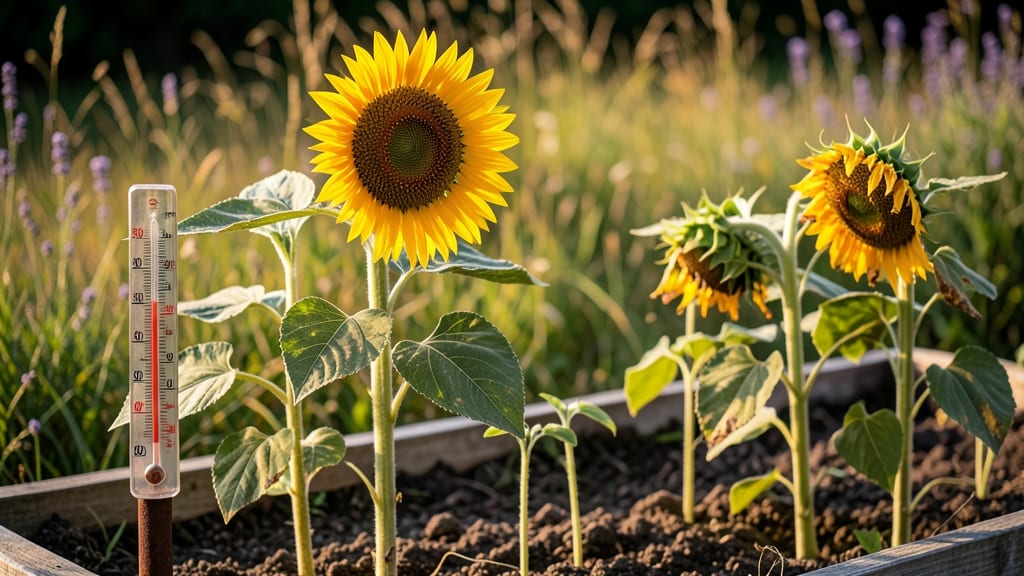
Sunflowers tolerate temperatures that range from cool spring mornings to scorching summer days, but their cold tolerance is the real game-changer for gardeners in Zone 6a and beyond.
Did you know some sunflowers can thrive even when temperatures dip below freezing? If you're gardening in colder climates, choosing the right cold-hardy varieties could mean the difference between a thriving garden and a winter write-off.
Most 🌻 sunflowers struggle when nighttime temps drop below 32°F, but a few varieties like 'Russian Mammoth' can handle light frosts—making them perfect for early spring or late fall plantings. The key is understanding their growth stages and how chilly weather affects each one.
In this guide, you'll discover the best cold-tolerant varieties, how to protect young plants from unexpected frost, and when to adjust your planting schedule for maximum success—no matter where you live.
Understanding sunflower temperature tolerance: key heat and cold limits
Sunflowers are famously hardy plants, but their temperature tolerance varies dramatically between germination, vegetative growth, and flowering stages. While they love warmth, some varieties can handle surprising cold snaps—even light frosts.
Understanding these temperature thresholds helps you choose the right sunflowers for your USDA hardiness zone and adjust planting times for success.
Most sunflowers thrive in warm climates, but their cold tolerance depends on the variety and growth stage. Seedlings are particularly vulnerable, while mature plants can withstand brief cold snaps.
In USDA zones 3-10, sunflowers grow successfully, but extreme heat or frost can damage or kill them. Let’s break down the critical temperature ranges for each phase of growth.
| Stage | Optimal Temperature | Cold Tolerance Limit | Heat Tolerance Limit | Notes |
|---|---|---|---|---|
| Germination | 70-90°F (21-32°C) | 50°F (10°C) minimum | 95°F (35°C) maximum | Soil must stay above 50°F for germination. |
| Seedling Growth | 60-75°F (15-24°C) | 32°F (0°C) with protection | 85°F (29°C) ideal | Young plants can die from light frost without covers. |
| Vegetative Growth | 70-80°F (21-27°C) | 28°F (-2°C) with mulch | 100°F (38°C) with water | Mature plants tolerate brief cold snaps better than seedlings. |
| Flowering | 75-85°F (24-29°C) | 30°F (-1°C) with protection | 95°F (35°C) for seed production | Cold below 30°F can damage buds. |
| Seed Maturation | 70-80°F (21-27°C) | 25°F (-4°C) with harvest | 90°F (32°C) ideal | Seeds mature faster in warm, dry conditions. |
Germination is the most temperature-sensitive stage. Sunflower seeds need soil temperatures between 70-90°F (21-32°C) to sprout efficiently. If your soil stays below 50°F (10°C), germination slows or fails entirely.
In cooler climates, use black plastic mulch or plant in microclimates (like near south-facing walls) to warm the soil faster.
Seedlings are highly frost-sensitive and can die if exposed to temperatures below 32°F (0°C). However, mature sunflowers (especially cold-hardy varieties) can survive light frosts down to 28°F (-2°C) with proper mulching.
Always monitor your local frost dates and adjust planting times accordingly—wait until after the last frost in spring and harvest seeds before the first frost in fall.
During vegetative growth, sunflowers thrive in 70-80°F (21-27°C) temperatures. They can handle brief dips to 28°F (-2°C) if protected with row covers or straw mulch.
However, prolonged cold below 30°F (-1°C) will stunt growth or kill the plant. In USDA zones 3-5, choose early-maturing varieties to avoid late-season frost damage.
Flowering requires warmer conditions, ideally between 75-85°F (24-29°C). If temperatures drop below 30°F (-1°C) during this stage, buds may blacken or fail to open. Heat stress above 95°F (35°C) can also reduce flower production. In hot climates, provide afternoon shade and consistent watering to prevent stress.
For seed maturation, sunflowers need dry, warm conditions (70-80°F or 21-27°C). If temperatures drop below 25°F (-4°C) before seeds mature, they won’t dry properly and may rot. Always harvest seeds before the first frost by cutting the flower heads and hanging them in a dry, ventilated space.
To interpret temperature data for your region, check your USDA hardiness zone and local average last/first frost dates. For example, in Zone 4, plant cold-hardy varieties like 'Russian Mammoth' in late spring and harvest seeds before October.
In Zone 9, focus on heat-tolerant varieties and provide afternoon shade during summer.
Understanding these temperature thresholds ensures you select the right sun
Top 5 cold-hardy sunflower varieties that survive freezing temperatures
If you're growing sunflowers in USDA zones 3-5, where temperatures can plunge below freezing, you'll need varieties that can withstand light frosts and even brief periods of sub-zero temperatures. While most sunflowers prefer warmth, these five cold-hardy varieties are bred to handle chilly climates better than average.
I've grown them in my Zone 4 garden, and they consistently outperform standard varieties when spring arrives late or autumn lingers cold.
The key to success with cold-hardy sunflowers is selecting varieties that can germinate in cool soil and tolerate brief frost events without dying. Some varieties even continue growing after a light freeze, while others need extra protection like row covers.
Let's compare the top performers so you can choose the best fit for your climate and garden space.
⚠️ CRITICAL NOTE: While these varieties are frost-tolerant, severe or prolonged freezing (below 15°F) will still damage or kill them. Use these varieties in protected microclimates or with season extenders for maximum success.
| Variety | Cold Tolerance | Mature Height | Days to Mature | Best Planting Time |
|---|---|---|---|---|
| Russian Mammoth | Tolerates 28°F; survives light frost | 10-14 ft | 85-120 days | Early spring (soil 45°F+) |
| Autumn Beauty | Tolerates 25°F; blooms in cool weather | 3-5 ft | 50-60 days | Late spring to early summer |
| Moulin Rouge | Tolerates 20°F; best for short seasons | 4-6 ft | 60-70 days | Early spring (soil 50°F+) |
| Teddy Bear | Tolerates 28°F; compact and hardy | 2-3 ft | 55-65 days | Late spring (after frost risk) |
| Sunspot | Tolerates 25°F; early bloomer | 2-4 ft | 50-60 days | Early spring (soil 40°F+) |
Russian Mammoth is my top recommendation for cold climates because it can handle 28°F temperatures and still thrive. I planted it last year in Zone 4, and it survived a 22°F night with only minor leaf damage. The trade-off? It takes 120 days to mature, so plant early or choose a shorter variety if your season is brief. For container gardening, the Teddy Bear variety is ideal—it stays under 3 feet tall and tolerates 28°F without issues.
If you're in a short-season climate, prioritize Moulin Rouge or Sunspot. Both mature in 60-70 days and can handle 20-25°F temperatures. I've used Moulin Rouge in my high-altitude garden (Zone 5