
Light Requirements
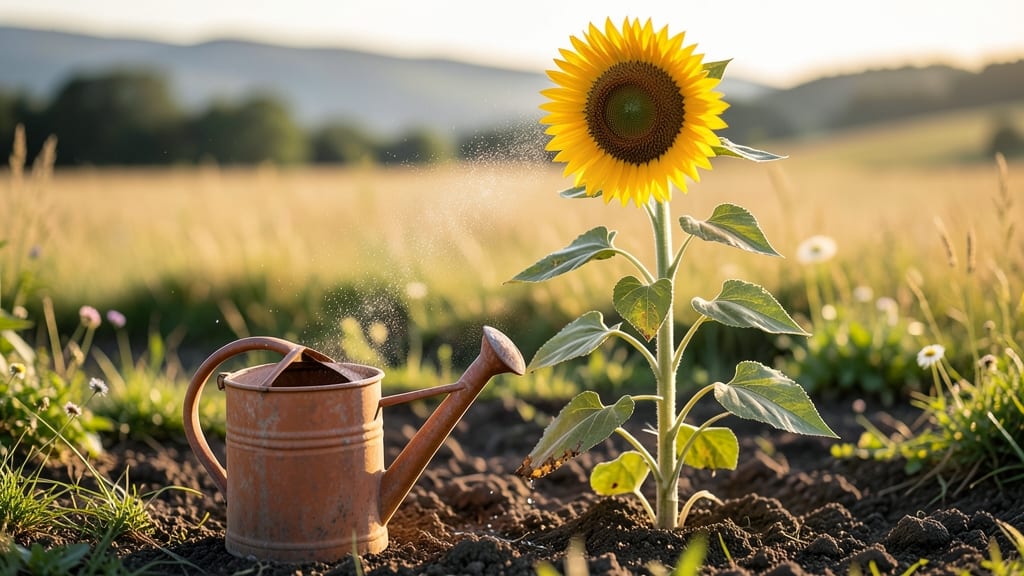
Sunflowers thrive when you nail their water requirements, but even the best intentions can backfire with floppy stalks or wasted effort.
Picture this: you’ve planted your 🌻 sunflower seeds with big dreams of towering blooms, only to watch them wilt under the summer sun or rot from too much moisture. The key isn’t just how much you water—it’s when, how, and why it matters at every growth stage.
From seedlings to mature giants, sunflowers demand deep, infrequent watering to build strong roots, but they’re surprisingly resilient once established. Too little, and they’ll struggle to reach their potential; too much, and you risk drowning their foundations.
Below, I’ll break down the exact watering schedule, techniques, and signs to watch for so your sunflowers stand proud all season.
You’ll learn how to adjust for heatwaves, drought, or heavy rain—plus how to spot the subtle clues (like leaf color or stem stiffness) that tell you whether your plants are thirsty or waterlogged. No guesswork, just healthy, thriving sunflowers that reward your efforts with those iconic golden faces.
How much water do sunflowers need by growth stage?
Sunflowers thrive with the right watering balance—too little stunts their growth, while too much invites root rot. Their water needs change dramatically from seedling to maturity, making stage-specific care essential.
Let’s break down exactly how much water sunflowers need at each critical phase of their life cycle, so you can nurture them from tiny sprouts to towering giants.
For new gardeners, this might seem overwhelming, but sunflowers are surprisingly forgiving once you understand their water requirements. The key is consistency—especially during their most vulnerable stages.
I’ll walk you through each growth phase, including soil moisture targets, drought tolerance tips, and warning signs of over- or under-watering.
The germination stage (0-7 days) is the most delicate—seeds need consistent moisture to sprout, but soggy soil will drown them. I use a spray bottle to mist the soil lightly, ensuring the top inch stays damp.
Overwatering here leads to fungal diseases, while underwatering causes seeds to dry out and fail to germinate.
Once seedlings emerge, they enter the seedling phase (7-21 days), where their roots are still shallow. This is when deep watering becomes crucial. I water at the soil base rather than overhead to prevent fungal issues.
Let the top 1-2 inches dry slightly between waterings—this encourages root growth downward rather than spreading out.
During the vegetative stage (21-45 days), sunflowers grow rapidly, and their water needs increase. This is the time to establish a deep watering routine. I aim to moisten the soil down to 4-6 inches, which helps the plant develop a strong root system.
Mulching with straw or wood chips retains moisture and reduces evaporation, saving me time and effort.
The flowering stage (45-70 days) is when sunflowers demand the most attention. Buds need consistent moisture to open fully, and any water stress here can cause buds to drop.
I increase watering frequency to every 2-3 days, or daily during heatwaves. Watch for wilting leaves or drooping buds—these are clear signs your sunflowers need water immediately.
In the seed development stage (70-120 days), water needs taper off slightly, but consistency is still key. Overwatering now can cause seeds to crack or rot, while underwatering leads to small, shriveled seeds.
I reduce frequency to every 5-7 days, letting the soil dry out more between waterings. This phase is also when I monitor for pests like birds, which love sunflower seeds!
By the time sunflowers reach maturity (120+ days), their water needs drop significantly. At this point, I only water if the topsoil feels bone-dry, typically every 2 weeks unless we’re in a drought. The goal is to keep the plant healthy until harvest, after which I let the
Best watering schedule for sunflowers: frequency and techniques
Mastering the sunflower watering schedule is key to growing those iconic 6-foot giants with vibrant blooms. Unlike drought-resistant succulents, sunflowers need consistent moisture—but not soggy soil.
The trick? Deep, infrequent watering that encourages strong root development. I’ve learned that overwatering is just as damaging as underwatering, especially during their critical flowering stage.
Your watering approach should change as your sunflowers grow. Young seedlings need frequent moisture to establish roots, while mature plants can handle slightly drier conditions. The best time to water is early morning, when evaporation is low and plants can absorb moisture before the heat of the day.
This simple habit makes a huge difference in preventing fungal diseases like powdery mildew, which loves damp foliage.
🌱 Sunflower Watering Essentials
- 💧 Seedlings: Keep soil evenly moist (water every 2-3 days)
- 🌿 Vegetative Stage: Deep water 1-2x weekly (1-2 inches soil moisture)
- 🌻 Flowering Stage: Consistent moisture (every 3-4 days, never let dry out)
- 🌾 Mature Plants: Drought-tolerant (water weekly unless extreme heat)
- ☀️ Hot/Dry Climates: Water daily in extreme heat (morning only)
- 🌧️ Rainy Seasons: Reduce watering to prevent root rot (check soil first)
For deep watering techniques, I recommend using a soaker hose or drip irrigation system placed at the base of the plant. This delivers water directly to the roots where it’s needed most, while keeping leaves dry.
Hand watering works too—just aim for the soil around the stem and avoid wetting the foliage. A mulch layer (2-3 inches of straw or wood chips) helps retain moisture and keeps roots cool during summer’s peak.
Climate plays a huge role in your watering schedule. In hot, dry regions, I’ve found sunflowers need watering every 2-3 days during summer, while cooler climates may only require weekly watering.
Always check the top 2 inches of soil—if it’s dry, it’s time to water. Pro tip: Use a moisture meter for precision, especially if you’re new to sunflower care.
When choosing between drip irrigation and hand watering, consider your garden size. Drip systems save time and water, delivering consistent moisture to multiple plants at once. For smaller gardens, a watering can with a long spout gives you control over exactly where water goes.
Either method works—just stay consistent. The goal is to mimic natural rainfall by soaking the soil deeply rather than giving shallow, frequent drinks.
Remember, sunflowers are forgiving plants—they’ll tell you what they need through their leaves. Yellowing leaves? Likely overwatering. Wilting despite moist soil? Could be underwatering or poor drainage.
Adjust your schedule based on these cues, and soon you’ll have sunflowers reaching for the sky with minimal fuss. Happy gardening! 🌻