
Shrubs
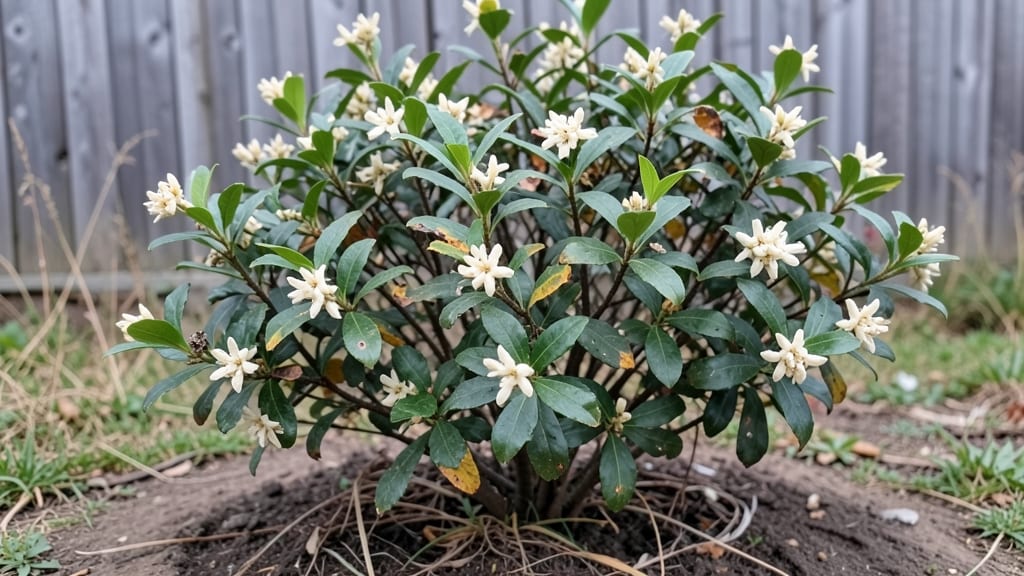
Tea olive flowering transforms your yard into a fragrant spring paradise—but only if you time your pruning right.
Your tea olive tree could be blooming with stunning white flowers this season—but only if you prune it correctly. I’ve watched mine sit bare for years until I learned the three simple cuts that trigger blooms, and now it’s covered in fragrant blossoms by April.
This isn’t just about snipping branches—it’s about understanding when to prune (spring, not fall), how much to remove (never more than 25% of the plant), and which branches to target for maximum flowers. Skip these steps, and you’ll end up with leggy stems and no blooms.
Below, I’ll walk you through the exact pruning schedule, the tools you’ll need, and the one mistake that kills flowering faster than anything else. Let’s get your tea olive 🌿 smelling like a spring garden again.
When and how to prune tea olive for maximum flowering
Tea olive (Osmanthus fragrans) is famous for its fragrant white blooms, but without proper pruning, your shrub might skip flowering entirely.
The key lies in timing and technique—prune at the wrong time, and you’ll sacrifice next year’s blossoms. Science shows that pruning stimulates new growth where flowers form, but only if done correctly.
Most gardeners make one of two mistakes: pruning too late in the season or cutting back too aggressively. Both can delay—or even prevent—flowering. Late winter or early spring is the sweet spot for tea olive pruning, just as buds begin to swell.
This timing ensures your cuts encourage new growth while preserving last year’s flowering wood.
Here’s the step-by-step method I use to transform my tea olive from a sparse shrub into a bloom-covered beauty. The secret? Targeted cuts at 45-degree angles and focusing on outward-facing branches for airflow and sunlight.
⚠️ Pro Tip: Always sterilize your pruners with rubbing alcohol to prevent disease spread. Tea olive is susceptible to fungal infections, and a single contaminated cut can ruin months of growth.
3 Steps to Prune for Maximum Blooms
- 1 Choose the Right Time: Prune in late winter (February-March) or early spring (April) before buds swell. Avoid pruning after June 1, as late cuts reduce flowering for the next season.
-
2
Select Branches Strategically:
- Remove dead or crossing branches first—they block sunlight and airflow.
- Cut back overly long branches by 1/3 to encourage bushier growth.
- Prioritize outward-facing branches to create an open, airy shape.
-
3
Make Precision Cuts:
- Cut at a 45-degree angle just above a leaf node or bud to promote regrowth.
- Avoid cutting into old wood (gray/brown stems)—focus on green or light brown branches for new blooms.
- Use sharp, clean pruners to prevent tearing, which invites disease.
🌿 Result: A tea olive with dense foliage and abundant spring blooms.
After pruning, your tea olive will send out fresh growth from the cut branches. This new wood is where next year’s flowers will form, so avoid heavy-handed cuts that remove too much of last year’s structure.
I like to leave about 2/3 of the plant’s original framework intact to maintain its flowering potential.
Water deeply after pruning to help the plant recover. Tea olive is drought-tolerant once established, but new growth needs consistent moisture to thrive. Aim for 1 inch of water per week during the first month after pruning, then taper off as temperatures rise.
One common mistake is pruning too close to the trunk. Always leave a small stub (about 1/4 inch) to prevent disease from entering the main stem. I’ve seen tea olives develop cankers from improper cuts, which can stunt growth and reduce flowering for years.
If your tea olive isn’t flowering, check for over-pruning in previous years. Heavy cuts can delay blooms by 1-2 years as the plant recovers. In my garden, I’ve revived under-pruned tea olives by lightly shaping them in spring and adding a balanced fertilizer (5-10-10) to encourage new growth.
For container-grown tea olives, prune 10-15% less than outdoor plants—they have limited root space to recover. Focus on removing only dead or crowded branches to avoid stressing the plant. A well-pruned potted tea olive can still produce fragrant blooms, though yields may be smaller than their in-ground counterparts.
Finally, observe your tea olive’s natural growth habit. Some varieties, like ‘Gulftide’, flower on new wood, while others, like ‘Variegatus’, bloom on old wood. Adjust your pruning accordingly—new-wood bloomers need annual pruning, while old-wood bloomers should be pruned lightly after flowering.
With the right timing and technique, your tea olive will reward you with months of fragrant white flowers and lush foliage. The key is patience—prune correctly now, and you’ll enjoy showstopping blooms for years to come. ✂️🌸
3 Critical mistakes that kill tea olive flowering (and how to fix them)
Your tea olive (Osmanthus fragrans) might be struggling to bloom because of common pruning mistakes. Even with perfect sunlight and soil, incorrect pruning timing or aggressive cuts can stunt flower production. The good news? These issues are fixable with the right approach.
I’ve seen tea olive shrubs with lush foliage but no flowers—often because gardeners unknowingly follow these three deadly pruning errors. Let’s tackle them head-on so your tree can burst into fragrant white blooms next spring.
⚠️ Warning: These Pruning Mistakes Silence Your Tea Olive’s Blooms
Mistake 1: Pruning in late summer or fall—this removes next year’s flower buds that form in late summer/early fall. Tea olives bloom on old wood, so cutting back then means no flowers!
Mistake 2: Over-pruning by removing more than 1/3 of the plant at once. This stresses the shrub and diverts energy away from flower production to recovery.
Mistake 3: Ignoring dead or diseased branches. These sap-sucking branches drain energy from healthy growth and blooms.
Let’s start with the biggest blooming killer: wrong pruning timing. Many gardeners prune in spring when they see new growth, but this is too late. Tea olives set their flower buds in late summer, so pruning then removes next year’s blooms.
Instead, prune in late winter or early spring (February-March), just before buds swell but before new growth starts.
Next up: over-pruning. I’ve seen gardeners hack back tea olives like they’re hedge trimmers, leaving only a stubby skeleton. This shocks the plant and forces it to put all its energy into regrowing leaves, not flowers.
Limit yourself to removing no more than 25% of the plant in any single pruning session. Focus on shaping rather than drastic cuts.
Don’t forget about dead branches—they’re silent blooming saboteurs. These branches steal nutrients from healthy growth, leaving your tea olive with fewer resources for flower production.
Grab your pruners and remove any branches that are brown, brittle, or without leaves. Make clean cuts just outside the branch collar for the fastest healing.
To revive a tea olive that’s stopped flowering, start with a light pruning session in late winter. Remove only dead wood and any branches growing inward. Then, feed your plant with a balanced fertilizer (5-10-10) in early spring to encourage new growth and blooms.
With patience, your shrub will bounce back—just like mine did after I fixed these mistakes!
Remember: tea olives are forgiving. Even if you’ve made these mistakes in the past, your plant can recover. The key is corrective pruning and giving it time to rebound.
Next year, you’ll be rewarded with a scented cloud of white flowers that’ll make your garden the envy of the neighborhood. 🌿