
Blooming
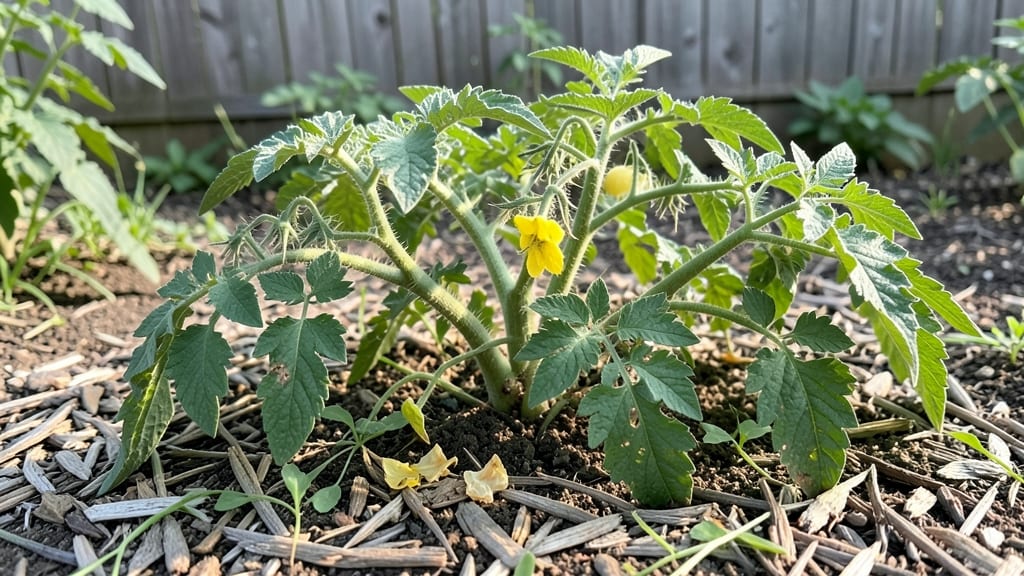
Tomato flowering early isn't always a disaster—it's actually a sign your plants are eager to grow, but we can help them channel that energy into better fruit production. 🌱 I've seen early blooms turn into a bumper crop by adjusting just a few things, and the key is understanding what triggers this behavior in the first place.
Early flowering often happens when tomatoes sense longer daylight or feel a false sense of security from cool nights. The problem? If heat arrives before fruit sets, those blossoms drop like snowflakes in summer.
But here's the good news: you can actually encourage stronger plants by focusing on water consistency, balanced fertilizer, and strategic pruning to support the main stems.
What you'll end up with is a plant that keeps producing fruit longer into the season, even when temperatures climb. The trick is giving them just enough stress to delay flowering slightly—think of it like hitting pause on a movie you want to enjoy longer.
You'll see thicker stems, more leaves for energy, and fruit that actually stays on the vine.
Works for both greenhouse and outdoor tomatoes, from cherry varieties to beefsteaks. The same principles apply whether you're dealing with a single plant or a full garden bed—just scale the care accordingly. Let's get those tomatoes focused on what matters most: growing fruit, not just flowers.
Why it happens
When your tomato plants start flowering earlier than expected, it’s often a response to their environment—and sometimes, a sign they’re racing against time to produce fruit before heat or stress sets in.
While early blooms can mean a bountiful harvest, they also signal that your plants may struggle later in the season if conditions aren’t ideal. Let’s break down the real reasons behind premature tomato flowering, so you can adjust your growing strategy for the best results.
🌡️ Temperature Fluctuations Trigger Early Development
Tomatoes are temperature-sensitive, and sudden warmth—especially in cooler climates—can kickstart flowering as a survival tactic. Here’s how it works:
- Day-length sensitivity: Many tomato varieties (especially short-day types like 'Early Girl' or 'Stupice') detect longer daylight hours in spring and respond by flowering early, even if nighttime temps are still chilly. Pro tip: If you’re in a region with unpredictable springs, use row covers to moderate temperature swings.
- Heat spikes accelerate growth: A few days of 75–85°F (24–29°C) can push plants into flowering mode, even if they’re not fully hardened off. Watch for: Rapid stem elongation (called "bolting") or flowers appearing before the plant has established strong roots.
- Cold nights + warm days = stress response: If daytime temps soar but nights stay cool (a common spring scenario), the plant perceives this as a short-term survival window and flowers prematurely to set fruit before potential frost. Solution: Use black plastic mulch to warm soil gradually and reduce nighttime chill.
🌱 Over-Fertilization or Nutrient Imbalances
Too much nitrogen or an imbalance of nutrients can send your tomato plant into a growth frenzy, prioritizing flowers over robust foliage. Here’s what’s happening:
- Excess nitrogen (N) = soft growth, early blooms: Nitrogen fuels leafy top growth, but when overapplied (especially in high-N fertilizers like blood meal), the plant may flower early to "store" energy in fruit before it outgrows its resources. Fix: Switch to a balanced 5-10-10 or 10-10-10 fertilizer once plants are 6–8 inches tall.
- Phosphorus (P) deficiency = desperate flowering: If your soil lacks phosphorus (the "bloom booster"), tomatoes may flower early to compensate, even if the plant isn’t ready. Test your soil: Aim for 40–60 ppm available P (use bone meal or rock phosphate if levels are low).
- Potassium (K) starvation = weak stems, early stress: Low potassium leads to poor root health, and the plant may flower early as a last-ditch effort to reproduce before collapsing. Signs: Yellowing leaf edges or weak stems. Solution: Add greensand or wood ash for a potassium boost.
🌿 Plant Stress from Transplant Shock or Crowding
Tomatoes are sensitive to disruption, and anything that stresses them—like improper transplanting or competition for space—can trigger early flowering as a defense mechanism.
- Transplant shock = hormonal chaos: When roots are damaged during moving (even if you harden off properly), the plant releases ethylene gas, a natural stress hormone that can prematurely trigger flowering. Prevent it: Water deeply 1–2 days before transplanting and use mycorrhizal fungi to protect roots.
- Overcrowding = resource competition: If seedlings are too close together, they’ll flower early to compete for sunlight and nutrients. Rule of thumb: Space plants 18–24 inches apart (or 36 inches for indeterminate varieties).
- Root-bound stress: If your tomato is root-bound in a pot, the restricted roots signal "danger," prompting early blooms. Fix: Upgrade to a 5-gallon container minimum and prune circling roots before transplanting.
🌱 Variety-Specific Traits and Genetic Quirks
Not all tomatoes are created equal—and some varieties are hardwired to flower early as part of their breeding. Here’s what to know:
- Determinate vs. indeterminate differences:
- Determinate varieties (e.g., 'Roma,' 'Celebrity') are bred to flower early and set fruit in one massive crop before stopping. They’re less flexible if heat stress hits later.
- Indeterminate varieties (e.g., 'Sungold,' 'Brandywine') flower continuously but may produce early blooms if stressed. Pro tip: For indeterminates, prune suckers aggressively to delay flowering until temps stabilize.
- Early-season hybrids = fast developers: Varieties like 'Early Girl' or 'Patio' are genetically modified to mature quickly (45–60 days). If planted too early, they’ll bolt even faster to meet their built-in timeline.
- Heirloom tomatoes = unpredictable: Many heirlooms (e.g., 'Cherokee Purple') are sensitive to day length and may flower early if exposed to 14+ hours of light before they’re ready. Solution: Use shade cloth to limit light exposure in hot climates.
💡 Environmental Triggers: Light, Water, and More
Even subtle changes in your tomato’s environment can send it into early bloom mode. Here’s how:
- Too much light = overstimulation: If seedlings get 16+ hours of light daily (common with grow lights), they may flower early. Fix: Reduce light to 12–14 hours/day until plants are hardened off.
- Inconsistent watering = stress signals: Drought stress or sudden overwatering can trigger ethylene production, leading to early blooms. Goal: Keep soil consistently moist (1–2 inches deep) but not soggy.
- Wind or physical damage = survival mode: Strong winds or hail can shock the plant into flowering early. Protect: Use stakes or cages and row covers in high-wind areas.
How to solve it
Now that you understand why your tomatoes are flowering early, let’s turn those blossoms into plump, juicy fruit! The key is balancing growth, environment, and plant health—without stressing your plants. Here’s how to adjust each cause for a bountiful harvest.
🌱 Too Much Light or Heat? Cool Them Down
Early blooms often mean your plants are pushing to fruit too fast, especially in hot climates. Slow them down with these tricks:
- 🌞 Provide Shade Cloth (30-50%) Hang lightweight shade fabric over your plants during peak sun (10 AM–4 PM). This mimics cooler spring conditions and delays further flowering until temps drop. Pro tip: Use a removable frame so you can adjust coverage as summer progresses.
- 💦 Increase Watering (But Not Too Much!) Deep watering 2–3 times per week (1–1.5 inches total) keeps roots cool and encourages leafy growth over flowers. Avoid wetting foliage to prevent disease. 💡 Watch for: Wilting leaves—this means roots aren’t absorbing water fast enough (could signal heat stress).
- 🌡️ Use Mulch Like a Pro Spread 2–3 inches of straw or wood chips around the base (but not touching stems). Mulch insulates roots, keeps soil moist, and reflects excess heat. ✨ Bonus: It also suppresses weeds and adds organic matter over time.
🍃 Nutrient Imbalance? Feed the Leaves, Not Just the Flowers
If your plants are flowering early due to too much nitrogen or phosphorus, shift their diet to prioritize leafy growth before fruit sets.
- 🔥 Switch to a Balanced Fertilizer (10-10-10 or 5-5-5) High-phosphorus fertilizers (like 5-10-10) push blooming—stop using them now. Instead, opt for a low-phosphorus, high-nitrogen feed (e.g., fish emulsion or compost tea) to build strong stems and leaves. 📊 Rule of thumb: If your plants are tall with few leaves, they’re starving for nitrogen.
- 🍳 Homemade Leaf Spray for a Quick Boost Mix 1 tbsp Epsom salt + 1 tsp liquid seaweed extract in 1 gallon of water. Spray foliage every 2 weeks to improve chlorophyll production and stress resistance. 👨🍳 Warning: Don’t overdo it—Epsom salt can cause magnesium toxicity if overused.
- 🥗 Prune Aggressively (But Strategically) Remove every flower cluster on the first 6–12 inches of stem (the "suckers" and lower blooms). This forces the plant to focus on leaf and stem growth before setting fruit. ⏰ Timing: Do this within 24 hours of spotting early flowers to prevent energy waste.
🌧️ Too Much Rain or Humidity? Dry Them Out
Excess moisture can trick tomatoes into thinking it’s spring, leading to premature blooming. Adjust your watering and airflow:
- ⏰ Water in the Morning Only Wet soil + warm nights = fungus and blossom-end rot. Water deeply at dawn so foliage dries by evening. 🌡️ Pro move: Use a soaker hose to target roots, not leaves.
- 💨 Improve Air Circulation Space plants 18–24 inches apart (or prune to open up the canopy). A small fan on low (24/7) near containers can mimic wind, reducing humidity and stress. 🔥 Caution: Don’t blast leaves—just create a gentle breeze.
- 🌿 Repot or Transplant if Needed If your tomatoes are root-bound (roots circling the pot), they’ll bolt to reproduce. Repot into a 5-gallon container or transplant to the ground with loose, well-draining soil. 💡 Hack: Add perlite or vermiculite to heavy clay soil to prevent compaction.
🌿 Plant Stress? Calm Them Down Fast
If early blooms are a survival response (drought, transplant shock, or pests), prioritize recovery before fruit sets.
- 🚰 Hydrate Immediately If soil is dry 2 inches below the surface, give a deep soak (stick your finger in to check). Wilting plants halt growth to conserve water—revive them ASAP.
- 🛡️ Shield from Pests Handpick tomato hornworms or aphids (they stress plants). Spray with neem oil (1 tsp per quart of water) if infestations persist. 🎯 Prevention: Plant basil or marigolds nearby to deter pests naturally.
- 🌅 Gradual Hardening Off If you moved plants outside too fast, they’ll bolt. Acclimate them over 7–10 days by:
- Leaving them out for 1 hour/day (Day 1).
- Increasing time by 1 hour daily until they’re out 24/7. ✨ Extra tip: Use a cloche or row cover on cold nights to protect tender leaves.
🔮 Prevention for Next Season
Want to avoid early blooming entirely? Plan ahead with these long-term fixes:
- 🌱 Choose Heat-Tolerant Varieties Opt for ‘Solar Fire,’ ‘Heatmaster,’ or ‘Arkansas Traveler’—these handle warmth better than standard tomatoes.
- 📅 Stagger Planting Instead of one big transplant, space out plantings every 2 weeks in spring. This ensures a steady harvest over months, not all at once.
- 🌡️ Monitor Soil Temps Use a soil thermometer—ideal temps for tomatoes are 60–70°F. If your soil hits 85°F+, delay planting until nights cool down.
- 🌿 Use Black Plastic Mulch Lays black plastic sheeting under plants to absorb heat and warm soil faster in spring. This gives you more control over when flowers appear.
Final Thought: Early blooms aren’t a death sentence—they’re a sign your plants are eager to grow! With these fixes, you’ll redirect their energy toward stronger vines and bigger fruit when conditions improve. 🍅🔥
Frequently asked questions
Why do my tomato plants flower early, and is it a problem?
Early flowering is often a survival response to environmental cues like longer daylight hours or sudden warmth. While it can indicate your plants are eager to grow, it may also signal they're racing against time before heat stress sets in. The key is to redirect their energy toward stronger stems and leaves before fruit sets to avoid dropping blooms later.
How can I delay early flowering to improve fruit production?
Start by providing shade cloth (30-50%) during peak sun hours to mimic cooler conditions. Adjust your watering to deep soaks 2–3 times per week and switch to a balanced fertilizer like 10-10-10 instead of high-phosphorus options. Prune aggressively by removing flower clusters on the lower stems to help the plant focus on leaf and stem growth.
What should I do if my tomatoes are flowering early due to transplant shock?
First, hydrate the plants immediately if the soil is dry 2 inches below the surface. Gradually acclimate them to outdoor conditions over 7–10 days by increasing their outdoor time slowly. Use a cloche or row cover on cold nights to protect tender leaves while they recover. Avoid stressing them further with pests—handpick hornworms or aphids and use neem oil if needed.
Can I still get a good harvest if my tomatoes flower early?
With the right adjustments, you can still achieve a bountiful harvest. Focus on maintaining consistent moisture, providing shade during heatwaves, and ensuring proper airflow. Remove any flowers that appear too early to redirect energy toward stronger plant development. Once conditions stabilize, your tomatoes will produce fruit more reliably.
What varieties of tomatoes are less likely to flower early?
Heat-tolerant varieties like 'Solar Fire', 'Heatmaster', or 'Arkansas Traveler' are excellent choices as they handle warmth better than standard types. For next season, consider staggering your plantings every 2 weeks to ensure a steady harvest rather than all at once. This approach gives you more control over flowering timing.