
Flowers
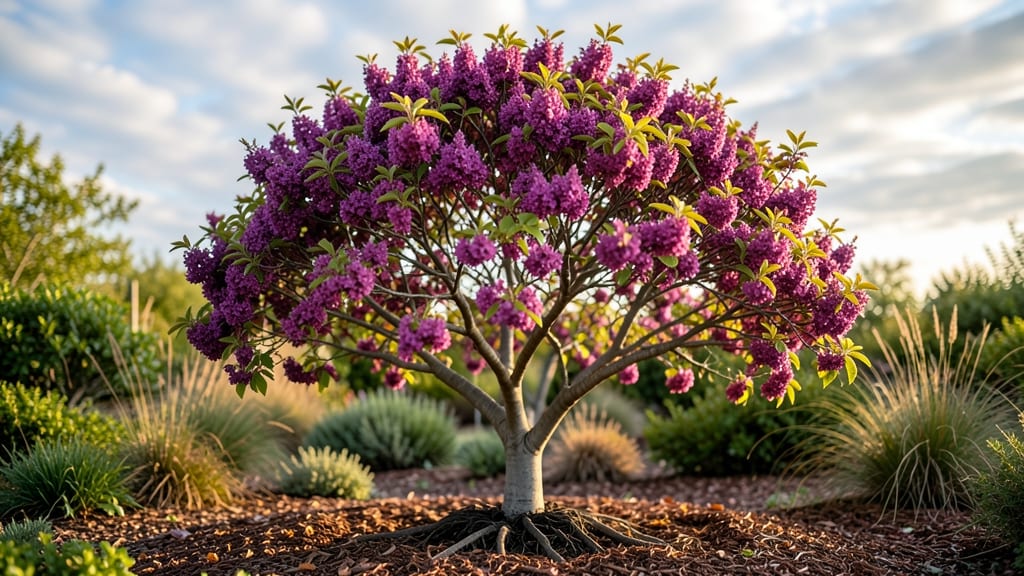
Little purple flowers on a tree bring a dreamy, fragrant charm to any garden that lasts for weeks every spring.
If you dream of a fragrant garden bursting with delicate purple blooms every spring, the lilac tree 🌸 could be your perfect match—but only if you know how to care for it properly.
This medium-sized shrub isn’t just about stunning flowers; its glossy foliage adds texture year-round, and its height makes it a standout focal point in cottage, modern, or woodland garden styles.
Below, I’ll show you how to pick the best lilac varieties, where to plant them for maximum impact, and how to pair them with other purple-hued plants for a cohesive, show-stopping design.
Identifying and selecting the best lilac varieties for purple flowers
When searching for a tree with little purple flowers that adds fragrance and elegance to your garden, lilacs are an unbeatable choice. These deciduous shrubs produce clusters of delicate blooms in shades of lavender, purple, and white, with some varieties offering intense fragrance that can fill your entire yard.
The key to maximizing their beauty lies in selecting the right variety—each brings unique flower size, growth habits, and seasonal interest to your landscape.
Not all lilacs are created equal. Some varieties bloom earlier, others produce larger flower clusters, and a few even offer dwarf sizes perfect for small gardens. Whether you want a tall statement plant or a compact accent, there's a lilac cultivar that fits your vision.
Let’s explore the top purple-flowered lilacs that will transform your garden into a fragrant, purple paradise.
🌸 Summary Table: Top Lilac Varieties for Purple Flowers
| Variety | Flower Color | Fragrance | Mature Height | Bloom Time | Best For |
|---|---|---|---|---|---|
| 'Katherine Havemeyer' | Deep purple | Strong | 10-15 ft | Late spring | Statement plant |
| 'Mme. Lemoine' | Lavender-purple | Moderate | 8-12 ft | Mid-spring | Fragrant borders |
| 'Dwarf Korean Lilac' | Light purple | Mild | 3-5 ft | Early spring | Small gardens |
| 'Bloomerang' | Purple | Strong | 6-8 ft | Spring + Fall | Extended blooms |
| 'Miss Kim' | Lilac-purple | Moderate | 4-6 ft | Early spring | Container gardening |
'Katherine Havemeyer' is a classic choice for gardeners seeking bold purple blooms and a powerful fragrance. This variety produces large flower clusters that can reach 10-15 feet tall, making it ideal for backyard focal points or as a privacy screen.
Its late spring blooming period ensures you won’t miss the show, and the dark purple flowers contrast beautifully against green foliage. If you love romantic, old-fashioned gardens, this lilac is a must-have.
For those who prefer a softer purple hue with a gentler scent, 'Mme. Lemoine' is a fantastic option. This mid-sized lilac (8-12 feet) blooms in lavender-purple tones and thrives in partial shade, making it versatile for various garden styles.
Its moderate fragrance is perfect for walkway plantings or foundation plantings, where you want to enjoy the aroma without overwhelming your senses. This variety also has excellent disease resistance, which is a bonus for low-maintenance gardeners.
If space is limited but you still want purple flowers, the Dwarf Korean Lilac is a game-changer. Growing only 3-5 feet tall, it’s perfect for small yards, patios, or container gardens.
Its light purple blooms appear in early spring, often when other lilacs are just waking up. While its fragrance is milder, it makes up for it with prolonged blooming and low-maintenance care. Pair it with dwarf conifers or ornamental grasses for a compact, textured garden bed.
'Bloomerang' stands out because it blooms twice a year—once in spring and again in fall. This re-blooming lilac produces vibrant purple flowers on a 6-8 foot shrub, making it a standout performer in any garden.
Step-by-step lilac bush planting and pruning for optimal growth
Planting your lilac bush correctly sets the stage for years of fragrant purple blooms. Start by choosing a sunny location with at least 6 hours of direct sunlight daily—this is critical for vigorous growth and abundant flowering. Avoid spots with poor drainage, as lilacs dislike soggy roots.
Lilacs thrive in well-draining, slightly alkaline soil with a pH between 6.0 and 7.5. If your soil is heavy clay, amend it with compost or sand to improve aeration. A slightly raised bed can also help prevent waterlogging during rainy seasons.
- 🌱 Choose the Right Time: Plant bare-root lilacs in early spring (March-April) or fall (September-October) when temperatures are mild.
- 🪴 Dig the Hole: Make it twice as wide as the root ball but only as deep—never deeper—to prevent root rot.
- ✂️ Prepare the Roots: Soak bare-root plants for 1-2 hours before planting, then trim any broken or circling roots with clean pruners.
- 💧 Plant with Care: Place the plant so the top of the root ball sits 1-2 inches above soil level—this prevents crown rot.
- 🌿 Backfill and Mulch: Fill the hole with native soil, tamp gently, then add 2-3 inches of mulch (avoid touching the trunk).
- ☀️ Water Thoroughly: Give the plant a deep watering to settle the soil, then water weekly for the first year to establish roots.
Pruning is the secret to maximizing blooms and maintaining your lilac’s shape. The best time to prune is right after flowering (May-June) when the blooms fade. This encourages next year’s flowers to form on new wood.
Use clean, sharp pruners to make cuts at a 45-degree angle, just above a bud or branch.
Avoid over-pruning—never remove more than one-third of the plant at once, as this stresses the lilac. For older bushes, you can rejuvenate growth by cutting back one-third of the oldest stems to the ground every 3 years. This stimulates fresh, vigorous growth.
Watch for common pruning mistakes like cutting into old wood (which won’t bloom) or leaving stubs. Always prune just above a bud facing outward to maintain an open, airy shape. With proper care, your lilac will reward you with weeks of fragrant blooms and lush foliage for decades.