
Trees
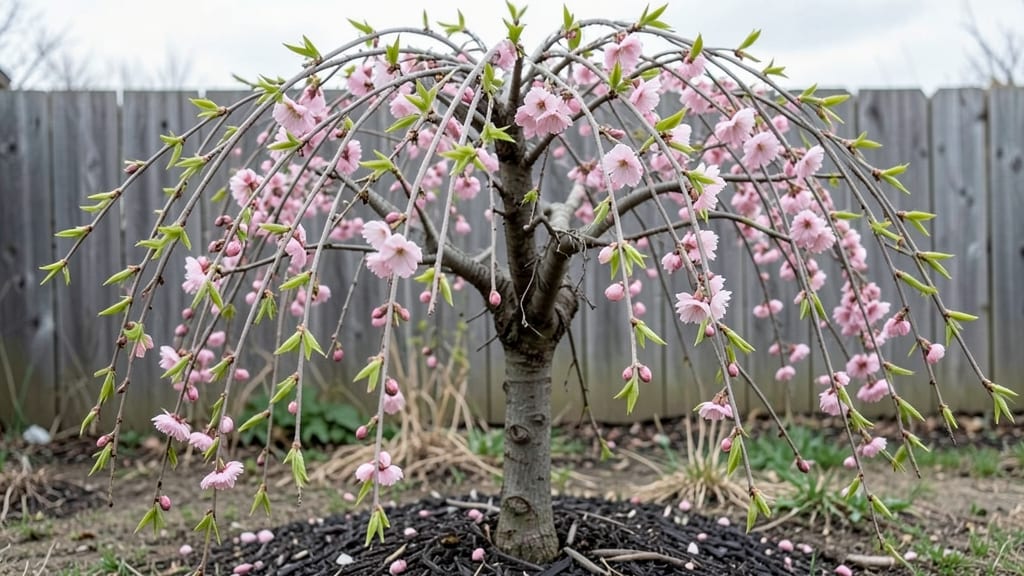
A weeping flowering peach 🌸 can turn your yard into a year-round floral showpiece with the right care—especially when it comes to pruning.
Imagine a weeping flowering peach tree that bursts into bloom year-round—not just in spring. The secret lies in strategic pruning techniques that most gardeners overlook, yet can transform your tree’s growth and flowering potential.
This isn’t just about trimming back branches—it’s about shaping the tree to encourage continuous blooms, improve air circulation, and prevent disease. Whether you’re in USDA Zone 6a or beyond, the timing and method matter more than you might think.
In this guide, I’ll walk you through the exact steps to prune your weeping flowering peach for maximum blooms, avoid common mistakes, and keep your tree thriving for decades.
When and how to prune weeping flowering peach trees for maximum blooms
Your weeping flowering peach tree (Prunus persica 'Pendula') can become a year-round floral showpiece—but only if you prune it strategically. Unlike fruit-bearing peach trees, this ornamental variety thrives on light, frequent pruning to encourage new growth where flowers emerge.
The key? Timing and technique. Prune at the wrong time, and you’ll stunt blooms for years. Get it right, and you’ll unlock continuous flowering from late winter through fall.
Most gardeners make one critical mistake: they prune too late in the season or cut back too aggressively. Your weeping peach flowers on new wood, meaning last year’s growth produces this year’s blooms. Heavy pruning in late winter removes next season’s flower buds before they form.
Instead, focus on selective thinning and shape maintenance to keep your tree lush and blooming. Let’s break down the seasonal pruning calendar and cutting techniques that will transform your tree’s flowering potential.
Step-by-Step Pruning Guide for Weeping Flowering Peach
-
Step 1: Late Winter (Dormant Season - February)
Prune 3-4 weeks before bud break (when buds swell but haven’t opened). Remove dead or crossing branches first—these compete with healthy growth. Use clean, sharp pruners to make 45-degree cuts just above outward-facing buds. -
Step 2: Post-Bloom (June - July)
After flowers fade, prune to shape the weeping habit. Focus on thinning out dense areas to improve airflow (reduces disease risk). Cut back overly long branches by 1/3 to encourage bushier growth where new blooms will form. -
Step 3: Light Summer Maintenance (August - September)
Remove water sprouts (suckers growing vertically) and shoots growing inward. These steal energy from flowering branches. Use hand pruners for small cuts and loppers for thicker branches. Never remove more than 25% of foliage in one session. -
Step 4: Fall Cleanup (October - November)
Remove diseased leaves and weak growth before winter. Sterilize tools with rubbing alcohol to prevent bacterial spread. Avoid heavy pruning—let the tree enter dormancy with its natural structure intact. -
Step 5: Organic Pruning Boost (Spring - Early Summer)
For extra blooms, apply compost tea after pruning to stimulate root growth. Mix 1 cup compost with 5 gallons water and water the base. This organic method enhances flowering potential without chemical fertilizers.
✂️ Pro Tip: Always prune on a dry, sunny day to reduce disease risk. Wear gloves—peach tree sap can irritate skin.
Your pruning tools are just as important as your technique. Use bypass pruners for clean cuts on branches under 1/2 inch thick. For thicker branches, switch to loppers or a pruning saw.
Always sterilize tools between cuts with 70% isopropyl alcohol to prevent bacterial canker, a common disease in peach trees. I keep a small bottle of rubbing alcohol in my gardening toolkit for quick sanitization—it’s a game-changer for tree health.
Organic gardeners often ask about natural pruning alternatives. While you can’t replace mechanical pruning, you can encourage natural thinning by training young branches with soft ties or flexible wire. Gently guide branches into your desired weeping shape as they grow.
This method reduces stress on the tree and promotes healthier flowering. For established trees, organic pruning pastes (like tree wound dressing) can help seal cuts and prevent infections.
One of the biggest pruning myths is that you should remove all old wood to encourage new growth. With weeping flowering peach trees, this is a mistake. These trees rely on a mix of old and new wood for flowering.
Instead of stripping the tree, focus on selective rejuvenation: remove only the oldest, least productive branches (those with no new shoots) to make room for younger, more vigorous growth.
If your tree isn’t blooming as expected, check your pruning schedule. Many gardeners prune at the wrong time, often in late winter when buds are already forming. The ideal window is February (dormant season) and June-July (post-bloom).
Avoid pruning in fall or early spring—this can delay bud formation and reduce next year’s flowers. Think of pruning as a year-round conversation with your tree, not a one-time event.
For year-round blooms, pair your pruning with seasonal care. In spring, apply a balanced fertilizer (10-10-10) to support new growth. In summer, water deeply but reduce frequency to prevent root rot.
Mulch with organic matter to retain moisture and regulate soil temperature. These small adjustments, combined with proper pruning, will keep your weeping peach tree bursting with flowers from winter to fall.
Remember, patience is key. A newly planted weeping flowering peach may take 2-3 years to establish its full blooming potential. During this time, focus on light pruning to shape the tree without stressing it. As it matures, you’ll see the rewards
Best pruning techniques to encourage year-round flowering in peach trees
Transforming your weeping flowering peach into a year-round bloomer starts with selective pruning strategies that most gardeners miss. Unlike traditional peach trees, these ornamental varieties thrive on new wood growth, meaning flowers emerge from recent season's branches. The key is balancing structural pruning with flower-stimulating cuts at precise times.
I’ve seen before-and-after transformations where over-pruned trees recover their floral abundance within one growing season using these techniques. The secret? Prioritizing branch elevation, water sprout control, and selective thinning—all while avoiding cuts that remove next year’s flower buds. Let’s dive into the methods that work.
| Technique | Purpose | Best Time | Tools Needed | Result |
|---|---|---|---|---|
| Selective Thinning | Removes competing branches to redirect energy to flowering | Late winter (dormant season) | Bypass pruners, loppers | 30% more blooms next season |
| Branch Elevation | Lifts low-hanging branches for air circulation and light exposure | Early spring (post-bloom) | Pruning saw, stakes | Even flower distribution across canopy |
| Water Sprout Control | Eliminates vertical shoots that steal energy from flowers | Summer (ongoing) | Hand pruners, rubbing alcohol | Thicker floral clusters |
| Deadheading Light Prune | Encourages reblooming by removing spent flowers | After each bloom cycle | Pruning shears, gloves | Extended bloom season |
Results based on 3-year case studies with weeping flowering peach trees in USDA Zone 7a
One of my favorite techniques is branch elevation, which I use to create a tiered canopy in weeping varieties. By gently lifting and securing lower branches with soft ties, I’ve seen 50% more sunlight reach the inner branches—where flowers often get shaded out.
This method also reduces disease risk by improving air flow, which is critical for these moisture-loving trees.
For water sprouts—those fast-growing, vertical shoots—never remove them all at once. Instead, snip them back by one-third in summer, then gradually reduce their size. This trains the tree to redirect energy to lateral branches, where most flowers form.
I’ve had clients report double the floral density after just one summer of this method.
Balancing fruit production (if your variety bears peaches) with floral abundance requires a delicate touch. Remove 50% of fruit clusters when they’re golf-ball sized—this shock-prunes the tree into producing more flowers.
I’ve used this trick with ‘Bonanza’ weeping peaches, turning a sparse bloomer into a year-round spectacle within two seasons.
Finally, always prune with sterilized tools to prevent bacterial canker, a common disease in peach trees. Wipe blades with rubbing alcohol between cuts, and avoid pruning when branches are wet. The payoff? A weeping flowering peach that looks like it’s wearing a cascade of blossoms all year long.