
Flowers
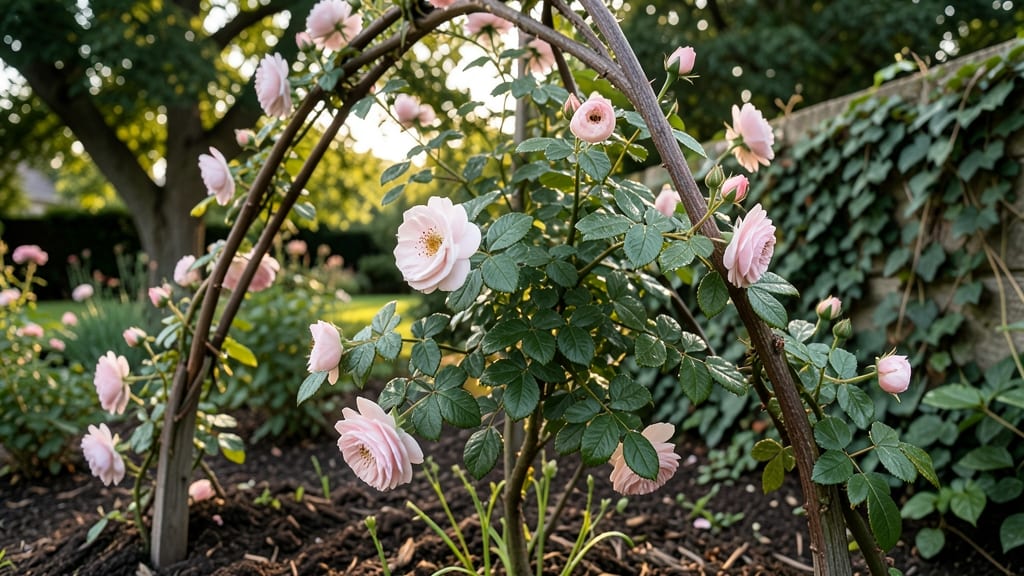
Climbing roses flower at times that depend on their variety, climate, and how you care for them — and getting that timing right means the difference between a garden bursting with 🌹 beauty and one that feels like it’s playing hard to get.
If you’ve ever wondered why your climbing roses bloom at different times—or why some varieties seem to play hide-and-seek with their flowers—you’re not alone. Understanding their seasonal timeline isn’t just about admiring their beauty; it’s about planning your garden’s star moments and avoiding disappointment when your favorite climbers stay bare.
Some repeat-flowering varieties, like 'New Dawn,' can shower you with blooms from late spring through fall, while others, like 'Blaze,' put on a single spectacular show in early summer.
Where you live—whether it’s USDA Zone 6a or a warmer climate—shifts those windows even more, making a little extra knowledge the game-changer for timing your garden’s highlights.
In this guide, I’ll break down the exact flowering seasons for different types, how pruning and care can stretch those blooms, and even which varieties will give you the longest show. Plus, I’ll share what to do if your roses are late to the party—or worse, skipping it entirely.
Climbing rose flowering seasons: a variety-specific timeline
Climbing roses are the dramatic stars of any garden, but their bloom times vary wildly depending on the variety and your climate zone. While some burst into color in early spring, others wait until summer—or even repeat flower all season long.
Understanding these patterns helps you plan trellises, arrange companion plants, and avoid disappointment when your climbers seem to take a break.
Most climbing roses fall into three broad categories: spring-blooming, summer-blooming, and repeat-flowering. Spring bloomers like 'Zephirine Drouhin' put on a spectacular show in May-June but then rest until next year, while repeat bloomers like 'New Dawn' reward you with flowers from late spring to frost.
Your USDA hardiness zone also shifts these timelines—warmer zones may see earlier blooms, while colder areas might delay flowering until after the last frost.
Here’s a quick guide to iconic varieties and their typical bloom windows, adjusted for USDA Zones 5-9. Use this as your garden’s floral calendar!
| Variety | Bloom Season | Zone Adjustments | Notes |
|---|---|---|---|
| 'New Dawn' | June–Frost (repeat) | Zones 5-9: 2-3 weeks earlier in Zone 9 | Classic pink, disease-resistant, thrives in partial shade |
| 'Blaze' | June–August (repeat) | Zones 5-8: Peak in July; Zone 9 blooms later | Vibrant orange-red, heat-tolerant, needs full sun |
| 'Zephirine Drouhin' | May–June (once) | Zones 6-9: 1 week earlier per zone increase | Climbing raspberry-pink, fragrant, needs strong support |
| 'Graham Thomas' | June–September (repeat) | Zones 5-9: Zone 9 may bloom into October | Creamy yellow, highly fragrant, loves morning sun |
| 'Schneewittchen' | May–June (once) | Zones 4-8: Blooms 1 week later in Zone 4 | Pure white, cold-hardy, great for early spring color |
If you’re in USDA Zone 9 or warmer, expect your climbing roses to bloom 2-4 weeks earlier than the table suggests. For example, 'Blaze' might start in May instead of June, while 'New Dawn' could flower continuously from April to November.
In colder zones like Zone 5, late frosts may delay blooms until late May or June, so choose hardy varieties like 'Schneewittchen' for reliable early shows.
Repeat-flowering varieties like 'New Dawn' and 'Graham Thomas' are my top picks for extended seasonal interest. They reward careful pruning and feeding with multiple bloom cycles, turning your garden into a year-round floral display.
For a spring-only spectacle, 'Zephirine Drouhin' and 'Schneewittchen' deliver dramatic, one-time shows that make them worth the wait.
How to extend your climbing roses’ bloom time with pruning and care
Understanding when climbing roses flower is only half the battle—knowing how to stretch that bloom time is where the magic happens.
With the right pruning techniques and seasonal care, you can turn a single burst of color into a continuous floral display that keeps your garden vibrant from early summer to frost. The key lies in timing, variety selection, and avoiding common pitfalls that rob roses of their potential.
For repeat-flowering varieties like 'New Dawn' or 'Blaze,' the secret to longer blooms starts with spring pruning. Cut back old wood in late winter to encourage new growth, which will produce more buds.
But timing matters—prune too early, and you risk damaging tender shoots; too late, and you’ll miss the first flush of flowers. Aim for just after the last frost when new growth is visible but before buds swell.
Here’s the game-changer: deadheading spent blooms isn’t just about looks—it signals the plant to redirect energy into new flowers. Pair this with a balanced fertilizer (like 10-10-10) applied every 4-6 weeks during the growing season, and you’ll see a dramatic increase in bloom production.
Just remember: stop fertilizing by mid-summer to harden off the plant for winter.
🌹 When Do Climbing Roses Flower?
Once-flowering varieties (like 'Zephirine Drouhin') bloom once in late spring (May-June), while repeat-flowering types (e.g., 'New Dawn') produce blooms from June through frost if properly cared for. Climate zones shift timing: In USDA Zone 6a, expect blooms to start 4-6 weeks later than warmer regions. Pruning in late winter (for spring bloomers) or early summer (for repeat bloomers) maximizes seasonal displays.
Mulching plays a surprising role too. A 3-inch layer of organic mulch around the base retains moisture, regulates soil temperature, and encourages root growth—all of which translate to more blooms.
But avoid piling mulch against the stem, as this can cause rot. Pair mulch with consistent watering (deep soaks weekly, more in summer) to keep roots happy without stress.
Watch out for these bloom-killers: Over-pruning removes too many buds, while under-fertilizing starves the plant of nutrients. Even poor air circulation from dense foliage can invite fungal diseases like black spot, which weaken the plant and reduce flowering.
Thin out crowded canes in early spring to improve airflow and light penetration.
For late-season blooms, give your roses a light pruning in early fall to remove dead or diseased wood. This clears space for next year’s buds while keeping the plant healthy.
In colder climates, protect canes with burlap wraps or mulch to prevent winter damage that could shorten the next year’s bloom time.
With these strategies, you’ll transform your climbing roses from one-hit wonders into season-long stars. The payoff? A garden that stays in bloom longer, attracts pollinators, and turns heads all season.
Start with spring pruning, keep up with deadheading, and watch your roses reward you with weeks of extra color—because who wouldn’t want a garden that feels like it’s always in its prime? 🌿