
Blooming
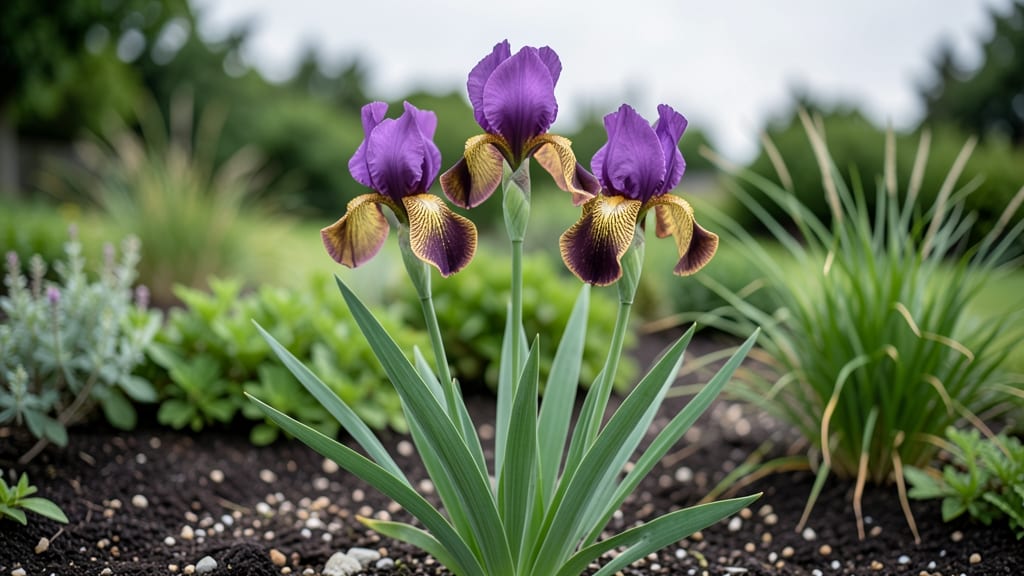
Iris flowers bloom in late spring to early summer, a stunning display that transforms gardens into bursts of color 🌸.
Picture this: You’ve been waiting months, and then—one morning—your iris beds erupt in vibrant petals, only to fade in a matter of weeks. That’s the magic (and the challenge) of these perennials, whose bloom time hinges on your climate zone, variety, and even last year’s care.
In Zone 6a, like where I garden, most irises open in April or May, but late-summer varieties push that window into August. Meanwhile, coastal regions might see blooms a month earlier, while high-altitude areas play catch-up.
The timing isn’t just about aesthetics—it’s about planning when to fertilize, prune, and protect your irises from pests.
Below, I’ll break down the exact months for your region, share the 5 factors that shift bloom dates, and give you tips to coax your irises into their longest, most vibrant show yet.
Iris bloom timing by USDA climate Zone: exact months for each region
Iris flowers are famous for their bold colors and elegant blooms, but their blooming windows vary dramatically depending on your USDA climate zone.
In colder regions like Zone 3, irises often bloom in late May to June, while warmer Zone 10 gardens may see flowers as early as February. Understanding these patterns helps you plan for the best viewing times and proper care.
Most gardeners focus on spring-blooming irises, but some varieties—like Japanese irises—bloom in late summer. Regional microclimates also play a role: coastal areas may bloom 2-4 weeks earlier than inland zones due to milder winters.
Let’s break down the exact months for each zone to help you anticipate those stunning iris displays.
🌱 Pro Tip: Use this guide to time your iris purchases or schedule garden tours around peak bloom periods in your area. For example, Zone 5 gardeners should mark mid-April to May on their calendars!
If you live in Zone 6a like me, expect your bearded irises to peak in late April to early May, while Siberian irises often bloom slightly later in May.
The key difference? Siberian irises tolerate cooler soils better, which can push their blooms into mid-May even in colder microclimates.
For gardeners in Zone 9, the winter-blooming varieties like Iris histrioides are a game-changer—they burst into color when most gardens are dormant. I’ve seen these January bloomers in Southern California gardens, adding early-season color that lasts through February.
This is why I always recommend checking local nursery varieties—some may be adapted to your specific microclimate.
One common mistake is assuming all irises bloom in spring. While 90% of varieties follow this pattern, the 10% exception—like Japanese irises—can completely shift your garden planning. These late-summer bloomers often appear in July or August, providing second-season interest when many perennials have faded.
🌿 Regional Tip: In the Pacific Northwest, cooler maritime climates can delay blooms by 1-2 weeks compared to inland areas. If you’re in Seattle, don’t be surprised if your Zone 8 irises bloom in late March instead of February.
To maximize your iris blooms, pay attention to soil temperatures—irises typically need 50°F+ soil to trigger flowering. In Zone 4, this often aligns with late April to May, while Zone 10 soils
How to predict your iris blooms: 5 key factors that shift timing
Your iris blooms might arrive a month earlier—or a month later—than your neighbor’s, even if you’re in the same climate zone. That’s because iris bloom timing depends on more than just the calendar. From soil temperature to variety selection, these perennials respond to subtle cues that most gardeners overlook.
Understanding these factors lets you adjust your expectations and even nudge your irises into blooming at your ideal time.
I’ve seen bearded irises in my Zone 6a garden open in late April, while Siberian irises from the same patch linger until June. The difference? Their unique growing requirements.
Below, I’ll walk you through the 5 key factors that dictate when your irises will burst into color—and how to use them to your advantage.
Irises need 6+ hours of full sun daily. Less sun delays blooms by 2-4 weeks. Test your spot with a sunlight tracker for accuracy.
Blooms trigger when soil hits 50-55°F. Warmer soils (like in Zone 8+) push blooms 2-3 weeks earlier than cooler regions.
Bearded irises bloom April-May; Siberian irises bloom June-July. Reblooming varieties (like 'Andreas') give 2 bloom cycles per year.
Rhizomes planted in late summer bloom 1 year later. Spring-planted rhizomes may skip blooming entirely their first year.
South-facing slopes bloom 2 weeks earlier than north-facing beds. Coastal areas may bloom 3-4 weeks earlier due to milder winters.
Let’s start with sunlight, the most critical factor. Irises are sun-worshippers, and even a few hours less than their 6+ hours daily requirement can delay blooms by weeks. I once had a patch of irises in partial shade that bloomed a full month later than my sunniest bed.
Use a sunlight tracker (or observe your garden’s light patterns) to pinpoint the best spots for vibrant, timely blooms.
Next, soil temperature acts like a natural timer. Irises won’t bloom until the soil warms to 50-55°F. In colder zones like Zone 4, this might mean waiting until late May, while Zone 9 gardeners can expect blooms as early as March.
To speed things up, mulch with straw or leaves in fall to insulate the soil and encourage earlier warming.
If you’re growing multiple iris varieties, their bloom times can vary wildly.
For example, my bearded irises (like 'Blue Flag') open in early May, while my Siberian irises (like 'Caesar’s Brother') don’t appear until late June. Reblooming irises, such as 'Andreas,' are the exception—they give you two bloom cycles: once in spring and again in late summer.
Plant these if you want extended color.
Don’t overlook your planting time, either. Rhizomes planted in late summer or early fall will bloom the following year, but those planted in spring may skip blooming entirely.
I learned this the hard way when a batch of newly planted irises sat dormant for a full year. For guaranteed blooms, stick to August-September planting in most regions.
Finally, your garden’s microclimates can shift bloom times dramatically. A south-facing slope might see irises bloom 2 weeks earlier than a north-facing bed, while coastal areas often enjoy 3-4 weeks earlier blooms thanks to milder winters.
Pay attention to these nuances, and you’ll predict your iris blooms with near-perfect accuracy every year.