
Blooming
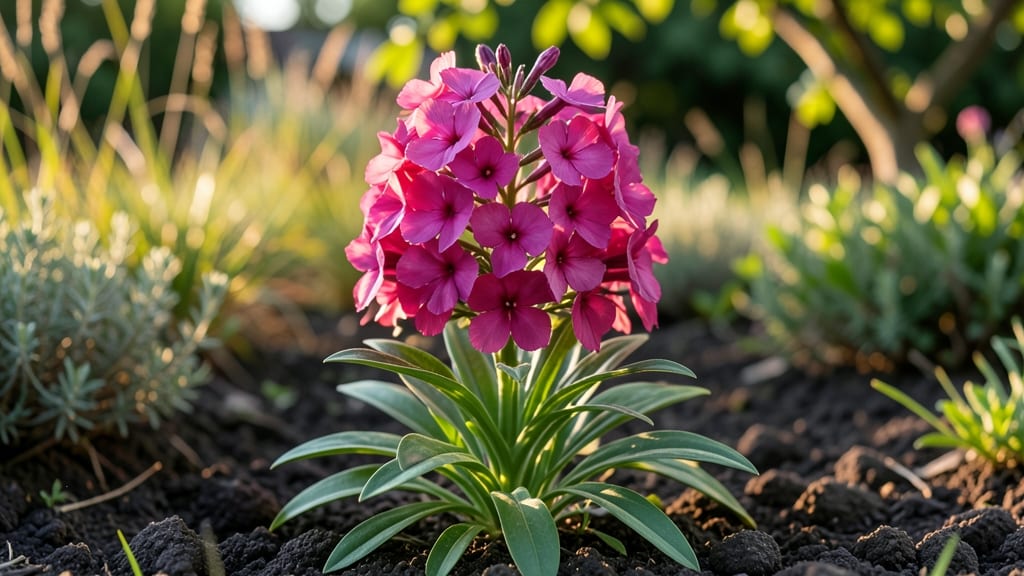
Phlox flowers bloom in early to mid-spring 🌸, but the exact timing depends on your variety and climate zone—some burst into color by May, while others linger into summer.
Picture this: your garden bursting with vibrant pinks, purples, and whites just as spring transitions to summer, but only if you plant the right type in the right spot. Garden phlox, for example, typically flowers in late spring, while creeping phlox often blooms earlier, in April or May.
Climate plays a huge role—cooler zones like 6a may see blooms delayed until late May, while warmer regions could enjoy flowers as early as April. Even a few degrees can shift your phlox’s timeline by weeks.
Below, I’ll break down the blooming windows by variety, climate adjustments, and simple care tricks to coax your phlox into flowering earlier—or keep them blooming longer. No guesswork, just results!
Phlox flowering timeline by variety: when to expect blooms
Phlox varieties create a season-long floral parade in your garden, but their bloom times differ dramatically. Some varieties burst into color in early spring, while others shine in late summer. Understanding these windows helps you plan for a continuous display of fragrant blooms.
I've grown phlox for over a decade, and the key to success is matching varieties to your local climate and garden design goals. Tall phlox creates dramatic backdrop statements, while creeping types spill beautifully over rock gardens. Let's explore the blooming schedules for each type.
🌸 Visual Guide Coming Up: Below is a quick-reference table showing the blooming windows for all major phlox varieties, including their peak bloom months and ideal planting times.
The woodland phlox often blooms first, creating early spring color when few other perennials are flowering. I love planting it near hostas and ferns to take advantage of its shade tolerance and fragrant blooms that attract hummingbirds.
Creeping phlox follows closely, forming a carpet of color that's perfect for rock gardens or steep slopes. In my Zone 6 garden, it typically blooms in late April to early May, just as the tulips are fading. This creates a seamless transition between spring and summer blooms.
For maximum summer impact, I plant border phlox and summer phlox together. The border phlox kicks off in May, while summer phlox takes over in July, creating a continuous floral display. The tall garden phlox provides the grand finale in late June to July.
Pro tip: If you want earlier blooms, plant your phlox in well-draining soil with added compost and choose early blooming varieties. I've found that woodland phlox planted in partial shade often blooms 2-3 weeks earlier than when grown in full sun.
In warmer climates (Zones 8-10), phlox may bloom earlier and longer. My friend in California grows summer phlox that flowers from June through September! The key is to deadhead regularly and provide consistent moisture during dry spells.
Remember that phlox varieties can cross-pollinate, which may affect next year's blooms. To maintain true colors, I separate different varieties by at least 3 feet or use <
Climate zone impact on phlox blooming: adjusting planting for your region
Your USDA hardiness zone is the #1 factor determining when phlox flowers in your garden. A Zone 5 gardener might see blooms in late May, while a Zone 8 gardener could enjoy flowers as early as April.
These shifts happen because colder zones need extra warmth to trigger flowering, while warmer zones experience extended bloom seasons.
Phlox thrives in Zones 3-10, but the timing varies dramatically. In cold climates (Zones 3-5), phlox often waits until late spring or early summer to bloom after surviving winter. Meanwhile, warm climates (Zones 7-10) can enjoy multiple bloom cycles—sometimes even year-round in frost-free areas.
Here’s how your zone affects phlox blooming, with specific adjustments to maximize your garden’s color:
In cold climates (Zones 3-5), I recommend planting hardy varieties like 'David' or 'Blue Ridge'—they bounce back stronger after winter. For transitional zones (6-7), focus on border phlox for mid-season color.
In warm zones (8-10), creeping phlox thrives as a ground cover, blooming in waves from spring to fall.
Pro tip: If you’re in a Zone 5 or colder, try container gardening to move phlox to a sheltered spot in winter. This can advance blooming by 2-3 weeks by protecting roots from frost.
In warmer zones, shade cloth can prevent heat stress and extend the bloom season into early fall.
No matter your zone, soil prep is key. Amend with compost in fall to give roots a nutrient boost for next year’s blooms. And remember—deadheading spent flowers encourages more blooms, no matter where you garden! 🌸