
Blooming
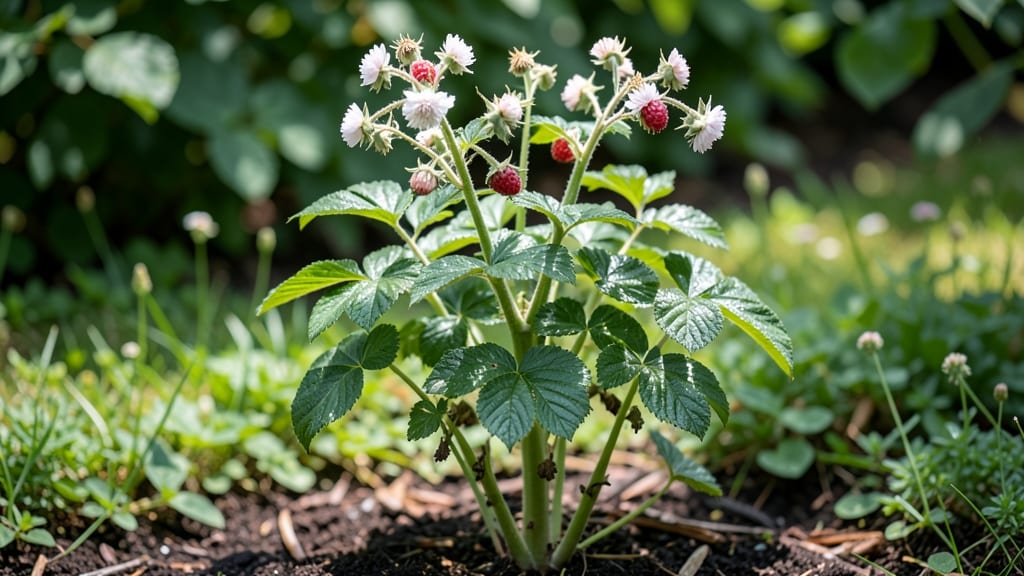
Raspberries flower in late spring — usually April to May — when days grow longer and soil warms, but the exact timing depends on your variety and climate zone.
Timing raspberry blooms correctly can mean the difference between a bountiful harvest and a disappointing season—knowing when your plants flower depends on variety, climate, and pruning habits.
Summer-bearing types like Boyne Golden burst into bloom around May, while fall-bearing varieties like Heritage may produce two crops a year, with the first flush arriving in early June.
In warmer zones like 6a, raspberries often flower earlier, sometimes as soon as March, while colder regions can delay blooms until June.
Here’s how to spot the signs, adjust care for peak flowering, and ensure your 🍇 bushes deliver the sweetest harvest possible—no matter where you garden.
Raspberry flowering seasons by variety: summer-bearing vs fall-bearing types
Understanding raspberry flowering seasons is key to maximizing your harvest. The two main types—summer-bearing (June-bearing) and fall-bearing (everbearing/remontant)—have distinct bloom cycles that directly impact when and how much fruit you'll enjoy. Summer-bearing varieties produce one massive crop, while fall-bearing types offer two smaller harvests.
Let's break down the timing and care differences.
For summer-bearing raspberries, flowering typically occurs in late spring (May-June) after the plant has experienced sufficient chilling hours during winter. This single bloom cycle results in a 6-8 week harvest window starting in mid-summer.
In contrast, fall-bearing varieties flower twice—once in late spring and again in early fall—creating two harvests with a brief pause between them.
| Variety Type | Primary Flowering Window | Secondary Flowering Window | Harvest Timing | Key Variety Examples |
|---|---|---|---|---|
| Summer-Bearing | Late Spring (May-June) | None | Single harvest (July-August) | Boyne Golden, Heritage, Dorman Red |
| Fall-Bearing (Everbearing) | Late Spring (May-June) | Early Fall (August-September) | Two harvests (July & September) | Heritage, Caroline, Fallgold |
| Fall-Bearing (Remontant) | Late Spring (May-June) | Early Fall (August-September) | Two harvests (July & September-October) | Autumn Bliss, Anne, Boyne |
If you're growing summer-bearing raspberries, focus on pruning old canes in late winter to encourage new growth that will bear fruit. These varieties produce fruit on second-year canes, so proper pruning is crucial.
In contrast, fall-bearing varieties produce fruit on both first-year and second-year canes, requiring a different pruning approach to maintain productivity.
The fall-bearing varieties offer gardeners a longer harvest season, but they require more consistent care.
After the first harvest in summer, these plants need time to recover before producing a second flush of flowers in early fall. Over-fertilizing or excessive pruning can disrupt this delicate balance and reduce your second harvest.
For gardeners in warmer climates (USDA Zones 8-10), fall-bearing raspberries often produce a more reliable second crop because they avoid the heat stress that can affect summer-bearing varieties. However, in cooler regions (Zones 3-6), the second flush of flowers may not develop fully due to insufficient heat accumulation.
One critical difference between the types is their flowering response to temperature. Summer-bearing varieties need consistent chilling hours (300-1,000 hours below 45°F) to flower properly. Fall-bearing types are more adaptable but still benefit from moderate chilling.
If your region experiences unusually warm winters, consider choosing varieties with lower chilling requirements like 'Caroline' or 'Heritage'.
To encourage healthy flowering, ensure your raspberry plants receive 6-10 hours of sunlight daily and well-draining soil with a pH between 5.5 and 6.5. A balanced fertilizer (10-10-10) applied in early spring can also boost bloom production.
Avoid heavy nitrogen applications, as they promote leafy growth at the expense of flowers and fruit.
When selecting raspberry varieties, consider your local climate and harvest preferences. If you want a single, abundant harvest, summer-bearing types are ideal. For a prolonged harvest season with two crops, fall-bearing varieties are the better choice.
Both types thrive with proper care, but their unique flowering patterns will shape your gardening experience significantly.
🍇 Remember, the key to successful raspberry growing lies in understanding your plant's natural cycle and adapting your care routine accordingly. Whether you're a first-time gardener or a seasoned pro, timing your pruning, fertilizing, and harvesting around these flowering patterns will lead to a more productive and enjoyable raspberry patch.
How climate zones affect raspberry flowering: chilling hours and heat requirements
Raspberry flowering timing shifts dramatically across USDA climate zones, with chilling hours and heat requirements dictating when buds open.
In cold regions (Zones 3-5), raspberries typically flower in late May to June after accumulating 500-1,000 chilling hours below 45°F. Meanwhile, warmer zones (7-10) may see blooms as early as March with fewer chilling hours (300-500 hours), but heat stress can delay fruit set.
Your raspberries need specific temperature cues to trigger flowering. Summer-bearing varieties like Boyne Golden require consistent cold exposure to break dormancy, while fall-bearing types like Heritage adapt better to mild winters.
If your region experiences unpredictable winters, choose varieties with flexible chilling needs like 'Caroline' (300-500 hours) or 'Fallgold' (400-700 hours).
| USDA Zone | Chilling Hours Needed | Typical Bloom Window | Heat Stress Risk | Best Varieties |
|---|---|---|---|---|
| 3-5 | 800-1,000 hrs | Late May-June | Low | Boyne Golden, Nova |
| 6-7 | 500-800 hrs | May | Moderate | Heritage, Caroline |
| 8-10 | 300-500 hrs | March-April | High | Fallgold, Anne |
In hot climates (Zones 8-10), raspberries often flower earlier but may struggle with heat stress above 90°F, which can cause bud drop or poor fruit set. To mitigate this, plant heat-tolerant varieties like 'Fallgold' and provide afternoon shade during peak summer months.
In cooler zones (3-6), focus on soil warmth—mulch with straw to accelerate spring thaw and encourage timely blooming.
Your local microclimate also plays a role. Raspberries in valleys or low-lying areas may experience earlier blooms due to warmer soil temperatures, while hilltop plantings often bloom later. Monitor your plants closely—late frosts after flowering can devastate crops, so consider frost cloth for early bloomers in Zones 5-7.
Adjust your pruning schedule based on climate. In warmer zones, prune lightly in winter to avoid removing next year's flower buds. In colder regions, prune aggressively in late winter to remove dead canes before new growth begins.
Always prune after the last frost in your zone to prevent frost damage to fresh cuts.
For consistent flowering, maintain soil temperatures between 60-75°F during bloom. Use black plastic mulch in cool climates to warm soil faster, or shade cloth in hot regions to prevent overheating.
Regular soil testing ensures proper pH (5.5-6.5) and nutrient balance, which directly impacts bloom quality. A phosphorus-rich fertilizer in early spring promotes stronger flower development.
🌱 Understanding your climate's unique effects on raspberry flowering helps you time care perfectly—whether it's adjusting pruning, protecting against frost, or managing heat stress. With the right variety and climate-appropriate techniques, you'll enjoy reliable blooms and bountiful harvests every season.