
Flowers
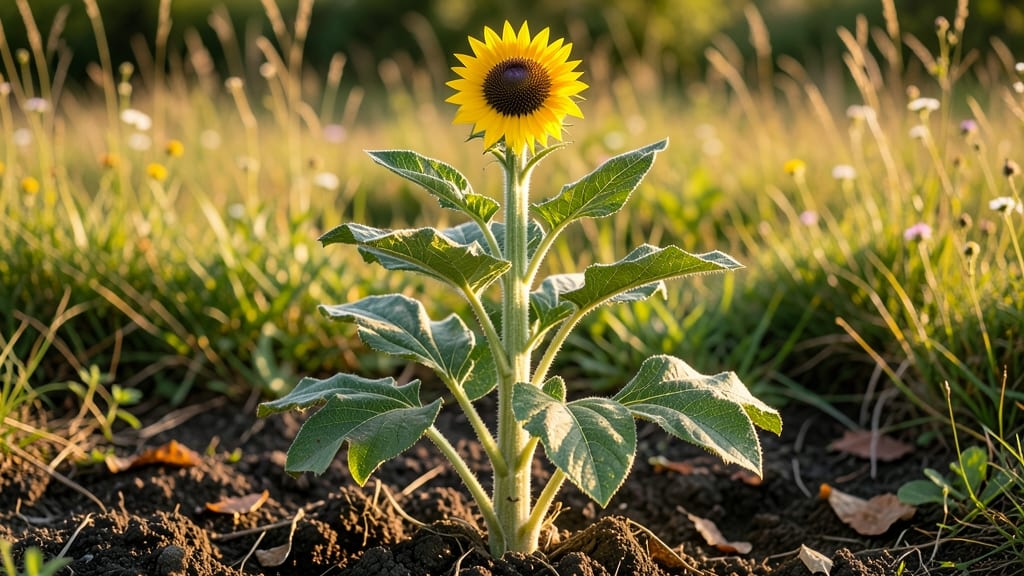
Sunchokes flower in their second year, typically between June and August depending on your USDA zone, marking the shift from leafy growth to tuber development.
If you’ve ever wondered why your sunchokes (Jerusalem artichokes) seem to vanish underground before producing those iconic purple blooms, you’re not alone—timing is everything in their growth cycle. Those delicate flowers aren’t just pretty; they’re the plant’s way of signaling that its edible tubers are maturing beneath the soil.
In Zone 6a, where many gardeners grow them, flowering usually kicks off in late June, but cooler climates can push it back to July or even August. Meanwhile, warmer regions might see blooms as early as May.
The key? Understanding your local frost dates and soil temperatures, because those flowers are your cue to start planning your harvest.
Below, I’ll break down exactly when to expect those blooms in your area, how to encourage them for a bigger yield, and what to watch for if your sunchokes skip flowering entirely. Spoiler: It’s rarely a lost cause!
Sunchoke flowering timeline by USDA plant hardiness Zones
Sunchokes (Helianthus tuberosus) are biennials, meaning they typically flower in their second year of growth. However, their bloom timing varies dramatically by USDA zone and regional microclimates. Understanding these patterns helps you predict when to expect those vibrant purple blooms and when to harvest tubers for optimal size.
In cooler zones, flowering often occurs in late summer to fall, while warmer zones may see blooms as early as mid-spring.
For gardeners in Zones 3-5, where winters are harsh, sunchokes often skip flowering in their first year entirely. Instead, they focus on establishing a robust root system. The real show happens in Year 2, when soil warms in June or July—sometimes extending into September before frost.
Meanwhile, gardeners in Zones 8-10 might see blooms as early as April or May, with a second flush in fall if conditions allow.
The Pacific Northwest and Midwest experience distinct differences due to rainfall and temperature swings. In the PNW, cooler summers delay flowering until late July or August, while the Midwest’s hotter summers can trigger blooms as early as June.
These variations directly impact tuber development—plants that flower too early may produce smaller tubers, while those blooming late often yield larger, more flavorful harvests.
In Zones 3-5, where frost is a constant threat, sunchokes often prioritize tuber development over flowering. This means you might not see blooms until Year 2, and even then, they may be cut short by early fall frosts.
To maximize tuber size, consider planting early varieties like 'French White' or 'Red Sun,' which mature faster and produce blooms slightly earlier than standard types.
Gardeners in Zones 6-7 have the advantage of a longer growing season, allowing for two distinct bloom periods. The first wave typically appears in June or July, while a second, smaller flush may occur in late summer if the plant has enough energy.
This dual blooming is a sign of a healthy root system and often correlates with larger tubers. In the Midwest, where summers are hot and humid, blooms may appear earlier but wilt faster due to heat stress.
For those in Zones 8-10, sunchokes can become nearly perennial, with blooms appearing year-round in mild climates. In Zone 10, you might see flowers as early as March, followed by continuous blooming through fall.
However, this perpetual growth can lead to smaller tubers if the plant isn’t given a rest period. To encourage larger harvests, mimic a dormant season by reducing water in winter months, even in warm zones.
Regional microclimates play a surprising role in sunchoke flowering. For example, coastal areas in Zone 7 (like Oregon’s Willamette Valley) may see blooms delayed by 2-3 weeks compared to inland regions due to cooler, foggier summers.
Conversely, desert climates in Zone 8 (like Arizona) can trigger early blooming in April because of rapid soil warming. Always observe your local last frost dates and adjust
How to extend sunchoke bloom season for bigger harvests
Sunchokes (Jerusalem artichokes) typically flower in their second year, but their bloom season can feel frustratingly short. By adjusting a few key factors, you can extend those purple blooms by 4-6 weeks, which directly translates to larger tubers and a more productive harvest.
The secret lies in manipulating soil temperatures, light exposure, and plant stress triggers—all without resorting to harsh chemicals.
One of the easiest ways to delay flowering is by managing soil warmth. Sunchokes need soil temps above 60°F (15°C) to trigger blooms. In cooler climates, use black plastic mulch or row covers to absorb heat and push back flowering until July or August.
This gives tubers more time to bulk up before the plant shifts energy to seeds.
Another effective tactic is selective pruning. If you notice early flower buds forming in spring, snip them off with clean shears. This redirects the plant’s energy from seed production back into tuber development.
Just be sure to stop pruning by mid-summer to allow some flowers to set—this ensures the plant still has a chance to reproduce and thrive for next year.
Organic vs. Synthetic Methods for Flower Induction
Organic Methods
- ✅ Compost tea – Boosts microbial activity, naturally delaying blooms
- ✅ Fish emulsion – Provides balanced nutrients without overstimulating growth
- ✅ Chicken manure – Slow-release nitrogen supports foliage without forcing early flowers
Synthetic Methods
- ⚠️ Synthetic bloom boosters – Can force early flowering, reducing tuber size
- ⚠️ High-nitrogen fertilizers – May delay blooms but risk overgrowth and disease
- ⚠️ Growth regulators – Requires precise timing; misuse can stunt plants
Organic methods are safer for long-term soil health and tuber quality, while synthetic approaches offer faster (but riskier) results.
For gardeners in warmer zones (7-10), the opposite strategy works: shade cloth can delay flowering by reducing light intensity. Aim for 30-50% shade during peak summer months to trick the plant into thinking it’s still early in the season.
Pair this with deep watering (1-2 inches per week) to keep roots cool and encourage tuber growth.
Companion planting also plays a role. Pair sunchokes with borage or nasturtiums, which deter pests and improve soil structure. Avoid planting near potatoes or tomatoes, as they compete for nutrients and can stress sunchokes, accelerating flowering.
A well-balanced ecosystem keeps your plants healthy and delays the bloom trigger naturally.
Finally, don’t overlook the power of harvest timing. If you’re aiming for a fall harvest, let some flowers form in early summer to ensure seed production—but once tubers reach 2-3 inches in diameter, you can prune back any remaining blooms to redirect energy.
This two-step approach balances reproduction with yield, giving you the best of both worlds.
With these strategies, you can stretch your sunchoke bloom season by weeks, ensuring bigger tubers and a more abundant harvest—without sacrificing the plant’s long-term health. The key is patience and observation: watch your plants closely, and adjust as needed. Happy growing! 🌱