
Flowers
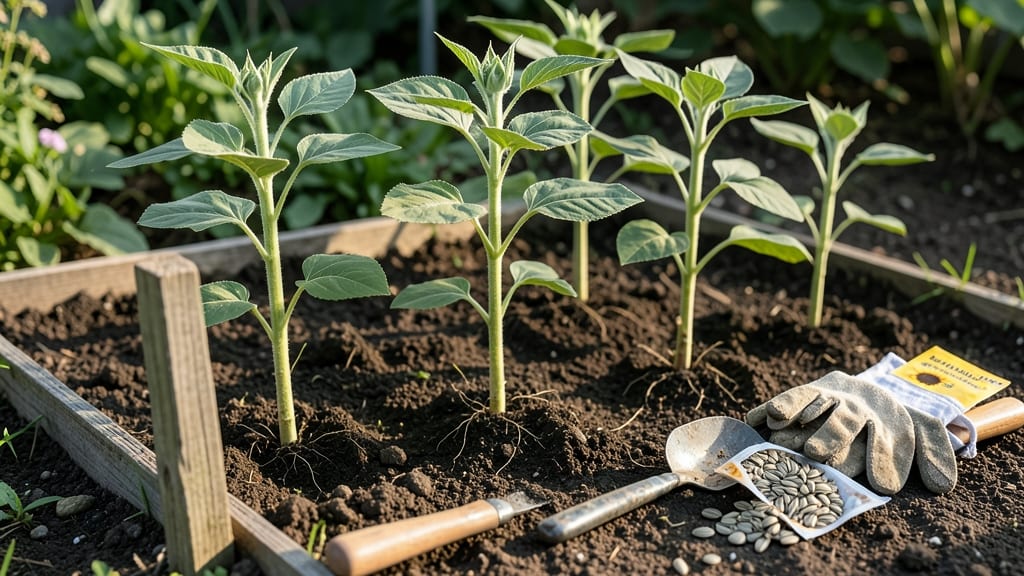
Plant sunflowers in Indiana after the last frost—typically mid-April to mid-June—but timing varies by microclimate and soil warmth.
Picture this: you’ve spent weeks nurturing your 🌻 seedlings, only to watch them wilt under a late frost. Or worse, your towering sunflowers bolt too early, leaving you with no blooms at all.
Indiana’s 5b-6b zones mean frost dates can shift by weeks, and urban heat islands can trick soil into warming faster than rural fields.
This guide cuts through the guesswork by breaking down exact planting windows for your region, whether you’re in chilly northern Indiana or the warmer southern counties. We’ll cover soil temperature tricks, frost-proofing tactics, and the best sunflower varieties to outpace Indiana’s unpredictable springs.
By the end, you’ll know exactly when to plant—down to the week—for sunflowers that reach their full, golden potential without a single frost-related setback.
Indiana’s sunflower planting zones: when to start seeds by region
Indiana’s USDA zones 5b-6b create a unique challenge for sunflower lovers—late frosts in northern Indiana can delay planting, while southern Indiana enjoys longer growing seasons. The key?
Aligning your planting schedule with soil temperatures (aim for 50°F+) and last frost dates, which typically range from mid-April in the south to late April in the north.
Sunflowers are fast growers (60-120 days to maturity), but their germination speed slows below 55°F. That means direct sowing outdoors should wait until after May 1 in most of Indiana—unless you’re using row covers or black plastic mulch to warm the soil earlier.
For gardeners eager to get a head start, indoor seed starting (4-6 weeks before last frost) works well. But beware: sunflower seedlings transplant poorly because of their deep taproots. If you start indoors, use biodegradable pots and harden off seedlings for 7-10 days before moving them outside.
| Region | USDA Zone | Last Frost Date | Direct Sow Outdoors | Indoor Start (Transplant) |
|---|---|---|---|---|
| Southern Indiana (Evansville, Louisville) | Zone 6b | April 15 | April 20 - May 10 | March 15 - April 1 |
| Central Indiana (Indianapolis, Columbus) | Zone 6a | April 22 | May 1 - May 15 | March 20 - April 5 |
| Northern Indiana (Fort Wayne, Gary) | Zone 5b | April 29 | May 10 - May 25 | March 25 - April 10 |
| All Regions (Early Varieties) | 5b-6b | N/A | June 1 - July 1 (late plant) | Not recommended |
Purdue Extension recommends checking soil temperatures with a soil thermometer—sunflower seeds won’t sprout reliably below 50°F. In northern Indiana, where frosts linger, opt for early-maturing varieties like ‘Autumn Beauty’ (56 days) or ‘Teddy Bear’ (60 days) to ensure blooms before first frost (mid-October).
If you’re in southern Indiana, you can push the envelope: plant dwarf varieties like ‘Moulin Rouge’ as early as mid-April for summer-long blooms. Just monitor weather forecasts—a late frost in May can still damage young seedlings, even in Zone 6b.
For urban gardeners with limited space, container growing works well. Use pots 12 inches deep and 18 inches wide for standard varieties, or 5-gallon buckets for dwarf types. Plant one seed per container—crowding stresses sunflowers and reduces bloom size.
Pro tip: Mulch around seedlings with straw or grass clippings to retain moisture and suppress weeds. Sunflowers need 1-2 gallons of water per week once established, but deep watering (every 7-10 days) is better than frequent shallow watering, which encourages weak stems.
Don’t forget: Sunflowers are annuals, so each year’s planting is a fresh start. Use last year’s frost dates as a guide, but always verify with local weather data—Indiana’s climate shifts yearly, and a warmer-than-average spring might let you plant 2-3 weeks early.
🌻
Microclimate secrets: how to plant sunflowers earlier (or later) without risking frost
Indiana’s microclimates can shift planting windows by weeks—especially when comparing urban heat pockets to rural fields. In southern Indiana, where USDA Zone 6b dominates, you might safely plant sunflowers as early as late March, while northern Indiana’s Zone 5b gardeners often wait until mid-April.
The key? Understanding how to warm soil faster and protect young plants from late frosts.
For urban gardeners, pavement and buildings create heat islands that warm soil 2-3 weeks earlier than surrounding areas. Meanwhile, rural gardeners can use row covers or black plastic mulch to jumpstart growth in cooler microclimates.
Let’s break down the exact tactics to plant sunflowers earlier—or delay them safely—without risking frost damage.
- 1. Test soil temperature with a soil thermometer—sunflowers need 50°F+ soil to germinate. Southern Indiana often hits this by late March, while northern areas may wait until early May.
- 2. Use black plastic mulch to warm soil 5-10°F faster than bare ground. Lay it down 1-2 weeks before planting to create a microclimate advantage.
- 3. Choose cold-hardy varieties like 'Autumn Beauty' or 'Moulin Rouge', which tolerate brief frosts better than standard types.
- 4. Deploy row covers (floating fabric) for 2-3 weeks post-planting to shield seedlings from late frosts. Remove when flowers emerge to avoid overheating.
- 5. Plant near heat-reflecting surfaces like south-facing fences or dark gravel paths to create a warmer microclimate in cooler zones.
- 6. Delay planting in hot zones if soil temps exceed 85°F—sunflowers may bolt prematurely. Wait until late May for a second planting in southern Indiana.
- 7. Monitor local frost data via Purdue Extension alerts or NOAA frost maps. Urban areas often have 10-14 fewer frost nights than rural spots.
If you’re in southern Indiana, where Zone 6b dominates, you can push planting to late March by combining black plastic mulch with row covers. For example, cover your beds with mulch in early March, then plant seeds directly into the warmed soil by mid-March.
Add row covers until mid-April to guard against late frosts.
Northern Indiana gardeners should focus on soil warming hacks like clear plastic tunnels or straw mulch. These methods can extend your planting window by 2-3 weeks compared to unprotected soil.
For instance, lay down clear plastic over beds in late April to trap heat, then plant seeds once soil reaches 50°F—often by early May.
Pro tip: Direct sowing is always best for sunflowers, but if you start seeds indoors 2-3 weeks before your target outdoor date, use grow lights to avoid leggy seedlings. Transplant outdoors only after soil warms to 50°F and nighttime temps stay above 40°F.
Remember, sunflowers are fast growers—most varieties bloom in 60-90 days. By aligning your planting with your microclimate’s frost-free window, you’ll ensure those golden blooms reach their full potential without a single frost-related setback. 🌻