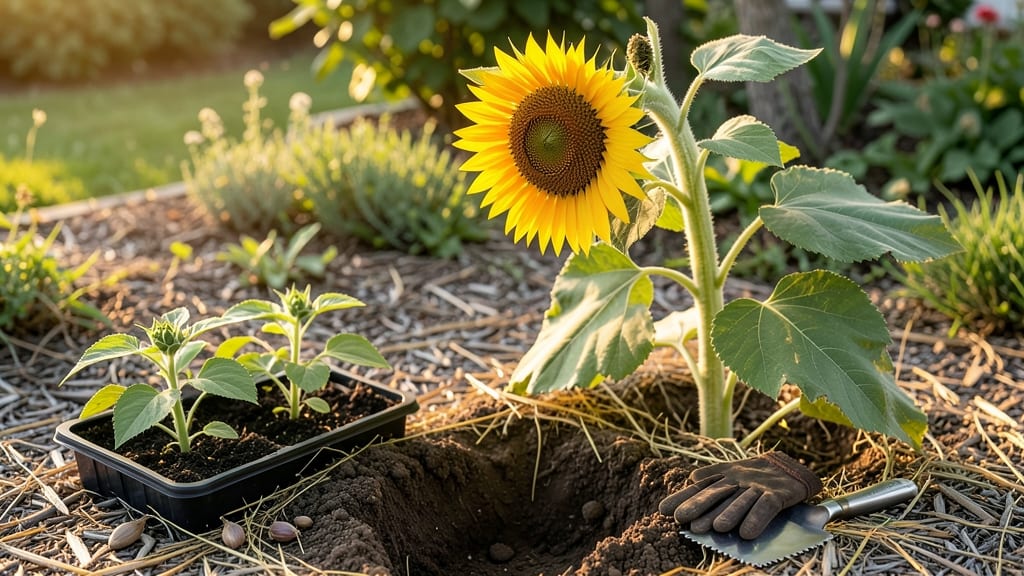
Planting sunflowers in Louisiana means timing them for the 240 frost-free days between March and November — miss the window, and your 🌻 dreams wilt before they bloom.
Sunflowers thrive in Louisiana’s long, hot summers, but planting them at the wrong time means wilting before they bloom. Timing is everything, and missing the frost-free window can turn your sunflower dreams into a sad, drooping reality.
In this guide, you’ll find the exact planting windows for Louisiana’s 8a-9b zones, including early spring and late summer options, plus soil prep tips to get your seeds off to the fastest start.
We’ll also cover how to stretch your growing season with shade cloth and mulch, so you can enjoy blooms from February all the way to October.
🌻
When to Plant Sunflower
Jan
🌱
Feb
🌻
Mar
🌻
Apr
🌻
May
🌱
Jun
🌱
Jul
🌻
Aug
🌻
Sep
🌱
Oct
🍂
Nov
🍂
Dec
❄️
Louisiana’s sunflower planting calendar: heat Zone deadlines by region
Louisiana’s climate is a sunflower lover’s paradise—long, hot summers and mild winters create perfect conditions for these cheerful giants. But timing your sunflower planting correctly is critical. One wrong move, and you’ll end up with wilted seedlings or stunted blooms from extreme heat.
The state’s USDA Heat Zones 7-10 mean your last frost date can vary by weeks, so let’s break it down by region to ensure your sunflowers thrive.
Sunflowers are warm-season plants that need soil temperatures above 55°F (13°C) to germinate. In Louisiana, this means waiting until after your average last frost date—typically mid-March to early April in most areas.
However, some northern regions (like Zone 7) may need to wait until early April, while southern zones (like Zone 10) can start as early as mid-February in protected microclimates.
Here’s the key: Plant sunflowers too early, and frost will kill your seedlings. Plant them too late, and your blooming season will shrink, leaving you with sad, underdeveloped flowers. The solution?
Follow your heat zone deadlines and adjust for soil warmth and humidity levels. Louisiana’s high humidity can also slow germination, so don’t rush—wait for that consistent 60°F+ soil temp.
For a second planting, Louisiana gardeners often opt for a late summer harvest by sowing seeds in late July to early August. This gives sunflowers time to mature before the first frost in November.
However, this window is tighter in northern Louisiana (Zones 7-8), where heat waves can stress young plants. In southern Louisiana (Zones 9-10), you might even squeeze in a third planting in early September for a winter harvest.
Now, let’s dive into the region-specific deadlines you need to know. The table below outlines the best planting windows for Louisiana’s 9 heat zones, including soil temperature requirements and frost risk alerts to keep your sunflowers standing tall and proud.
| Heat Zone |
Spring Planting Window |
Ideal Soil Temp (°F) |
Last Frost Risk |
Fall Planting Window |
| Zone 7 (Northeast LA) |
Early April - Mid-May |
60°F+ |
High (late March) |
Late July - Early Aug |
| Zone 8 (Central LA) |
Mid-March - Early April |
58°F+ |
Moderate (early April) |
Late July - Mid-Aug |
| Zone 9 (South LA) |
Mid-Feb - Mid-March |
55°F+ |
Low (late Feb) |
Late July - Late Aug |
| Zone 10 (Southeast LA) |
Late Jan - Early Feb |
52°F+ |
Very Low (rare) |
Early Aug - Early Sept |
| Zone 7b (North LA) |
Late March - Early April |
62°F+ |
High (late March) |
Late July - Early Aug |
| Zone 8a (Central-North LA) |
Early April |
How to extend your sunflower season in Louisiana: avoiding frost and heat stress
Louisiana’s unpredictable spring frosts and brutal summer heatwaves can turn your sunflower garden into a high-stakes gamble. While sunflowers love our long growing season, a late frost in March or a sudden 100°F+ heatwave in July can stunt growth or scorch leaves.
The key? Strategic planning to shield your plants at both extremes.
I’ve grown sunflowers in Zone 8b for years, and I’ve learned that staggered planting, shade protection, and soil insulation are non-negotiable. These methods let you enjoy sunflower blooms from late February through October, even when Mother Nature throws curveballs.
🌱 5 Proven Strategies to Extend Your Sunflower Season
- 1. Staggered Planting: Sow seeds every 2 weeks from mid-February to early April, then again in late July. This ensures continuous blooms and minimizes frost/heat risk.
- 2. Frost Cloth Shield: Use lightweight frost cloth (30% shade) over young seedlings until soil warms to 60°F. Secure edges with bricks or stakes to prevent wind damage.
- 3. Mulch for Soil Insulation: Apply 3-4 inches of straw mulch around stems to regulate soil temperature. This keeps roots 10°F cooler in summer and 5°F warmer in spring.
- 4. Shade Cloth for Heatwaves: When temps hit 95°F+, drape 50% shade cloth over plants for 2-3 hours daily. Remove by late afternoon to avoid stunted growth.
- 5. Windbreaks for Young Plants: Plant sunflowers near tall grasses or corn stalks to block drying winds. Even a bamboo fence can reduce transpiration by 30%.
Let’s start with staggered planting, my top strategy for beating Louisiana’s late frosts. Instead of planting all seeds at once, I divide my batch into 3-4 groups and plant them 2 weeks apart.
This way, when a 28°F frost hits in early March, only the earliest batch suffers—while the later batches keep growing. For summer plantings, repeat the process in late July to avoid the August heat crunch.
For frost protection, I swear by frost cloth (not row covers, which trap too much heat). Lay it over seedlings when nighttime temps drop below 35°F, and remove it by 10 AM to let sunlight through.
Pro tip: Weigh down edges with bricks or landscape pins—wind can rip it apart in seconds.
Heat stress is just as dangerous, but mulching and shade cloth work wonders. Spread straw mulch 3-4 inches deep around the base of mature plants to lock in moisture and cool roots. During 100°F+ heatwaves, I use 50% shade cloth for 2-3 hours midday.
This prevents leaf scorch and keeps flowers vibrant. Just remember to remove it by 4 PM to avoid slowing photosynthesis.
Don’t overlook windbreaks—Louisiana’s humid winds can dry out sunflowers faster than you think. Plant them near tall grasses, corn, or even a bamboo fence to block wind. This isn’t just about comfort; wind stress weakens stems, making them 30% more prone to snapping in storms.
With these tactics, I’ve extended my sunflower season from 6 months to nearly 9 months. The secret? Adaptability. Check your local frost dates (they vary by parish!), monitor soil temps with a thermometer, and adjust shade/mulch as needed.
Your sunflowers will thank you with bigger blooms and healthier seeds all year.
★★★★★4.7(11 reviews)
|