
Flowers
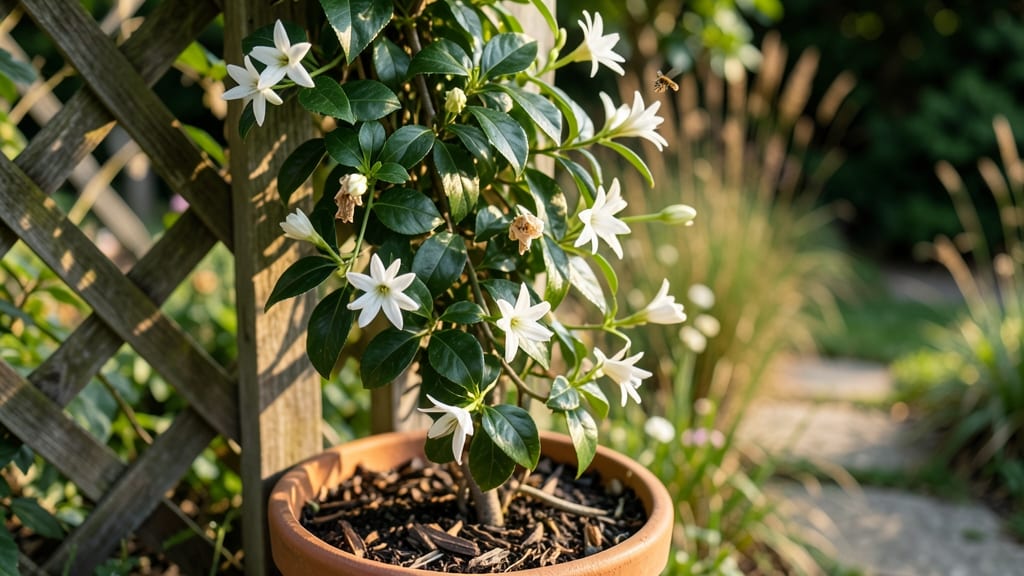
Jasmine flowers in spring and summer 🌸, with some varieties extending into fall, but the timing depends on your climate zone and the specific type you’re growing.
Waking up to the intoxicating scent of jasmine in your garden is a dream for many plant lovers—but timing is everything. Knowing exactly when your jasmine will bloom helps you plan for fragrance, pruning, and even harvesting, yet most gardeners struggle to predict its schedule.
If you’re in USDA Zone 6a or warmer, expect blooms to kick off in late spring, with peak fragrance in June and July. However, cooler climates or late frosts can push back the timeline, while tropical varieties might flower year-round in the right conditions.
In this guide, I’ll break down the month-by-month blooming patterns, regional variations, and simple care tips to encourage longer, more abundant flowers—so you can enjoy that signature jasmine perfume all season long.
Jasmine blooming seasons by USDA hardiness Zones: what to expect each month
Jasmine plants are famous for their intoxicating fragrance, but their blooming seasons vary dramatically depending on your USDA hardiness zone and the specific variety. In Zones 7-11, you’ll find everything from spring-blooming evergreens to summer-loving deciduous climbers.
Understanding these patterns helps you plan for peak fragrance, pruning, and even harvesting jasmine tea from your garden.
For example, Jasminum officinale (common jasmine) thrives in Zones 7-9 and typically blooms in late spring to early summer, while Jasminum sambac (Arabian jasmine) flourishes in Zones 10-11 and may flower year-round with the right care.
Regional microclimates—like coastal areas or urban heat islands—can also shift bloom times by 2-4 weeks.
Below is a month-by-month breakdown of jasmine blooming patterns, tailored to your zone. Use this as your gardening calendar to anticipate fragrance peaks, schedule pruning, and even time your jasmine tea harvests for maximum flavor.
| Month | USDA Zone 7 | USDA Zone 8 | USDA Zone 9 | USDA Zone 10 | USDA Zone 11 |
|---|---|---|---|---|---|
| January | Dormant | Dormant | Light blooms (sambac) | Blooming (sambac) | Blooming (year-round) |
| February | Dormant | Dormant | Light blooms | Peak blooms (sambac) | Blooming (year-round) |
| March | Bud formation | Bud formation | Peak blooms (officinale) | Blooming (sambac) | Blooming (year-round) |
| April | Peak blooms | Peak blooms | Blooming (officinale) | Blooming (sambac) | Blooming (year-round) |
| May | Blooming (officinale) | Blooming (officinale) | Blooming (sambac) | Peak blooms (sambac) | Blooming (year-round) |
| June | Light blooms | Light blooms | Blooming (sambac) | Blooming (year-round) |
How to extend your jasmine’s blooming season with pruning and careJasmine plants naturally bloom in late spring through summer, but with the right care, you can stretch that season into early fall. The key lies in strategic pruning, balanced fertilizing, and smart watering techniques—all tailored to your climate zone. I’ve found that jasmine responds best to a mix of light pruning and targeted nutrients, which can double—or even triple—the length of your fragrant displays. Timing matters most: pruning at the wrong time can shock your plant and delay blooms. For example, winter pruning (done in late fall or early spring) encourages robust new growth for summer flowers, while summer pruning (after blooms fade) promotes bushier vines that flower again later. Let’s break down the exact steps to maximize your jasmine’s perfume-filled season.
💡 Pro Tip: Use a balanced 10-10-10 fertilizer every 6-8 weeks during active growth (spring-fall) to fuel blooms. Pruning is your best tool for extending blooms. I recommend a two-step approach: first, prune in early spring to remove any dead or weak stems, and then again in late summer to trim back about one-third of the vine. This second pruning tricks the plant into producing new growth that will flower again in early fall. Always use clean, sharp shears to avoid damaging the vine, and sterilize them with rubbing alcohol between cuts to prevent disease. Fertilizing plays a critical role too. Jasmine thrives on a balanced fertilizer (like 10-10-10) applied every 6-8 weeks during the growing season. However, too much nitrogen can lead to lush foliage but fewer flowers. I’ve seen gardeners overdo it with high-nitrogen feeds, only to end up with a vine full of leaves but no fragrance. Instead, opt for a low-nitrogen, high-phosphorus blend (like 5-10-10) when you notice buds forming to encourage more blooms. Sunlight and watering also make a difference. Jasmine loves morning sun and afternoon shade, especially in hot climates. If your vine is struggling to bloom, it might be getting too much direct afternoon sun, which can stress the plant. Adjust its location or provide dappled shade with a sheer curtain. As for watering, deep, infrequent watering (every 3-5 days) is better than shallow, frequent watering. This encourages stronger roots, which in turn support more robust blooms. Finally, don’t forget to mulch around the base of your jasmine vine with 2-3 inches of organic mulch, like shredded bark or compost. This helps retain moisture, regulate soil temperature, and even deter pests that might damage your plant. I’ve noticed that mulched jasmine vines bloom 2-3 weeks longer than those without mulch, thanks to the stable soil conditions it provides. |