
Blooming
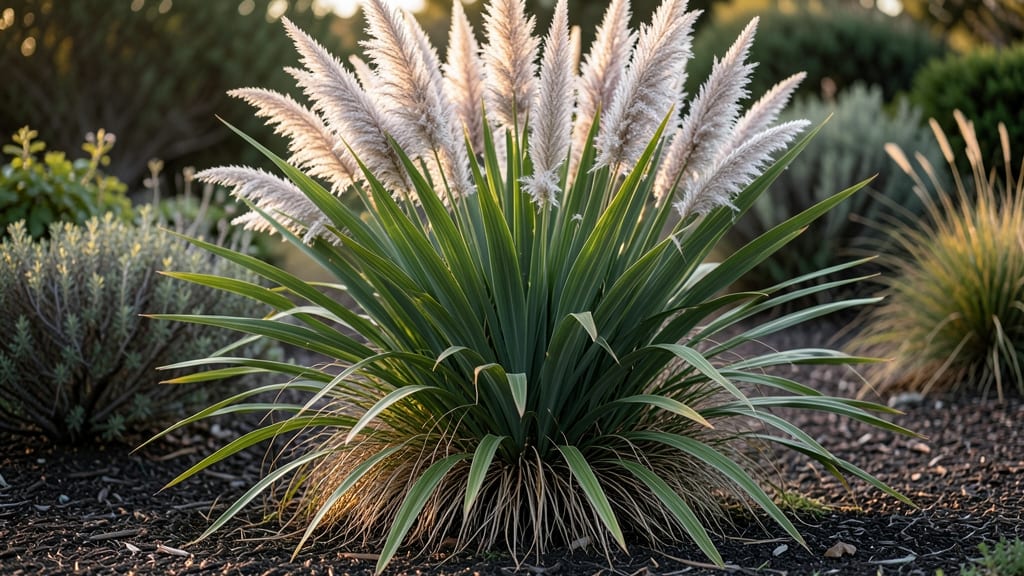
Pampas grass flowers in late summer to fall 🌿, with timing that shifts dramatically depending on your USDA zone and the variety you’ve planted.
If you’ve ever wondered why your pampas grass stays bare for months before bursting into dramatic plumes, you’re not alone—timing its bloom is key to maximizing its stunning display. But the answer depends on your USDA zone, variety, and even local climate quirks.
In Zone 6a (like much of the Midwest), expect plumes to emerge around mid-August, peaking in September and October before frost sets in. Warmer zones like 8-11 may see blooms as early as July, while cooler zones like 5 might delay until late September.
Below, I’ll break down the exact bloom windows by zone, share 5 top varieties ranked by timing, and reveal how to nudge your pampas grass into flowering earlier—without chemicals or guesswork.
Pampas grass flowering timeline by USDA zones: when to expect blooms
Pampas grass (Cortaderia selloana) transforms any garden with its feathery plumes, but timing is everything. If you’re in USDA Zones 5-11, your bloom window shifts dramatically—from late summer in the South to early fall in the North.
Understanding these patterns helps you plan for the most dramatic display, especially since frost sensitivity can cut blooms short in cooler zones.
Most varieties bloom between late August and November, but regional microclimates—like urban heat islands or coastal breezes—can shift this by weeks. For example, Zone 10 gardens might see blooms as early as July, while Zone 5 gardeners may wait until mid-September before seeing plumes emerge.
Let’s break down what to expect in your area.
📌 Key Factors Affecting Bloom Time: - USDA Zone (earlier in warm zones, later in cool zones) - Variety (some bloom earlier than others) - Sunlight exposure (full sun = earlier blooms) - Soil fertility (phosphorus-rich soil encourages blooms) - Microclimate (urban areas bloom earlier than rural zones)
| USDA Zone | Avg. Bloom Window | Frost Risk | Notes |
|---|---|---|---|
| Zones 5-6 | Mid-September to October | High (plumes may frost before full bloom) | Plant in sheltered spots; mulch to delay frost. |
| Zones 7-8 | Late August to November | Moderate (late frosts possible) | Prune dead plumes in spring; fertilize in early fall. |
| Zones 9-10 | July to October | Low (rare frost) | Longest bloom season; may rebloom if cut back. |
| Zone 11 | Year-round (peaks in winter) | None | Thrives in mild winters; minimal care needed. |
| All Zones | 6-8 weeks after last frost | Varies | Full sun = earlier blooms; partial shade delays timing. |
In USDA Zones 5-6, where frost is a real threat, pampas grass often waits until mid-September to bloom. This delay gives the plant time to establish strong roots before the cold sets in.
If you’re in Zone 5 and notice plumes forming in early September, protect them with frost cloth to extend their display. In contrast, Zone 6 gardeners can expect a slightly longer window, with blooms lasting into October if frost doesn’t intervene.
Gardeners in Zones 7-8 enjoy the sweet spot for pampas grass, with blooms typically appearing in late August and lasting through November. This extended window makes these zones ideal for long-lasting color in late-season gardens.
However, a sudden cold snap can still damage plumes, so monitor your local frost date and plan accordingly. For example, if your area averages a first frost in late October, prioritize varieties like ‘Rosy Visions’, which blooms earlier and may escape frost damage.
Southern gardeners in Zones 9-10 often see pampas grass bloom as early as July, with some varieties continuing to produce plumes into October. The lack of frost means you can experiment with year-round planting, though blooms may be less dramatic in the heat of summer.
To encourage a second flush of blooms, cut back dead plumes in early spring—this signals the plant to produce new growth and potentially rebloom later in the year.
If you live in Zone 11, consider yourself lucky—pampas grass can bloom year-round, with peak displays in winter. The mild climate means no frost risk, and your plants may even rebloom multiple times if given the right care.
Focus on well-draining soil and minimal fertilization (too much nitrogen can reduce blooms) to keep your plants healthy and productive.
Microclimates play a huge role in bloom timing, even within the same USDA zone. For example, a south-facing wall can create a warmer microclimate, encouraging earlier blooms, while a shady corner may delay flowering by weeks.
If your pampas grass isn’t blooming on schedule, check its sun exposure—6+ hours of full sun is non-negotiable for consistent plumes. You can also adjust watering to influence timing: deep, infrequent watering in early summer can encourage stronger root growth, leading to earlier blooms.
One common mistake is assuming all pampas grass varieties bloom at the same time. While Cortaderia selloana (the classic variety) typically blooms in late summer to fall, newer hybrids like Cortaderia jussieui may flower earlier or later depending on the cultivar.
For instance, ‘Silver Frost’ often blooms slightly earlier than ‘Alba’, which may hold onto its plumes longer into winter. Always check the specific variety’s care guide
Top 5 pampas grass varieties ranked by bloom time: fastest to Latest
Choosing the right pampas grass variety can transform your garden's late-summer drama. Some burst into color by early August, while others wait until October—each with unique plume colors and hardiness. Whether you want quick seasonal impact or long-lasting winter interest, timing matters.
Let’s compare the top 5 varieties ranked by when they flower, so you can pick the perfect fit for your USDA zone and design goals.
From the fastest bloomers like ‘Rosy Visions’ to the late-season stunners like ‘Baby Blue,’ each variety offers distinct advantages. Cold tolerance, maintenance ease, and mature height also play key roles in your decision.
Below, we’ll break down their bloom windows, ideal climates, and how to encourage their best performance—so you can plan your garden’s peak seasonal moments with confidence.
If you’re in USDA Zone 9 or 10 and crave early color, ‘Rosy Visions’ is your best bet—its pink plumes appear as early as late July in ideal conditions.
For gardeners in cooler zones (6-8), ‘Silver Frost’ thrives with its silvery-white blooms, offering a longer bloom window thanks to its high cold tolerance. This variety also handles drought conditions better than most, making it a low-maintenance star.
‘Alba’ stands out for its pure white plumes, perfect for wedding gardens or formal landscapes. It blooms in late August and pairs beautifully with purple or blue flowers for a cool-toned palette. However, it’s less hardy in