
Flowers
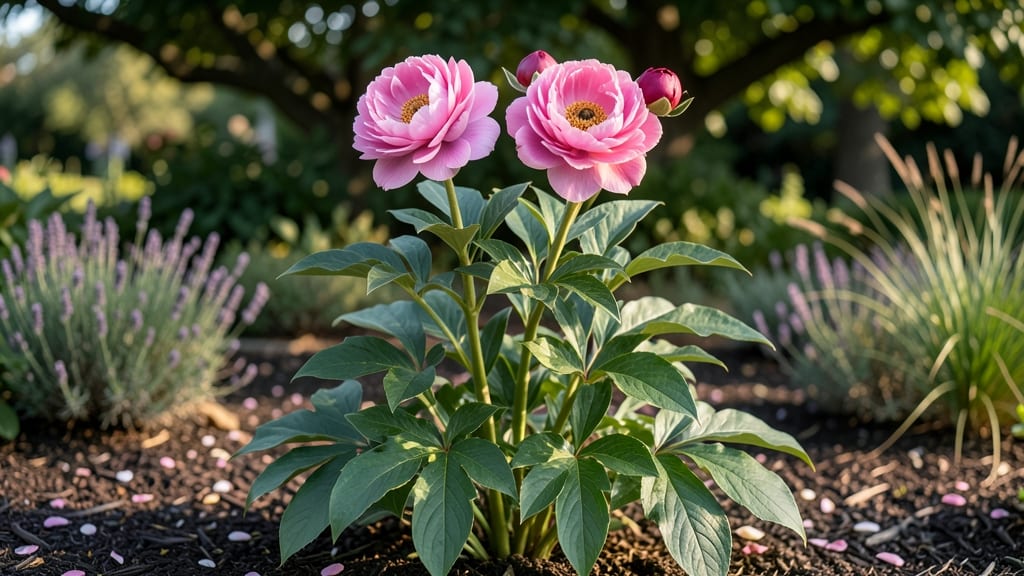
Peonies flower in late spring to early summer, turning gardens into fragrant, velvety dreamscapes with their bold blooms and intoxicating scent.
Picture this: your yard transformed overnight into a sea of 🌸 pink, red, or white, each petal unfurling under the golden morning light. But here’s the catch—miss the window, and you might blink right through their fleeting yet spectacular display.
Timing isn’t just about luck; it’s about knowing your zone, variety, and a few simple care tricks. Whether you’re in USDA Zone 6a or further south, I’ll break down exactly when to expect those showstopping blooms—and how to coax them into lasting just a little longer.
From predicting your peony’s bloom date to extending its season with the right companions, you’ll learn how to make the most of this garden highlight before summer steals the spotlight.
Peony flowering seasons by climate Zone: exact timing for peak blooms
Peonies are the crown jewels of late spring gardens, but their bloom timing varies dramatically depending on where you live.
In USDA Zone 3, where winters are harsh, peonies often wait until late May to early June to burst into color, while gardeners in Zone 10 may enjoy blooms as early as February or March.
These differences aren't just about latitude—they also depend on your microclimate and the specific peony variety you've chosen.
Understanding your zone helps you select the right peonies for your garden. Early bloomers like 'Sarah Bernhardt' thrive in warmer zones, while 'Bowl of Beauty' excels in cooler climates. Even within a single zone, regional variations can shift bloom times by 2-3 weeks.
For example, Seattle's Pacific Northwest peonies may bloom 2 weeks later than those in Southern California despite similar USDA zones.
Here's your essential guide to predicting peony bloom times across the U.S., including early, mid, and late-season varieties and regional adjustments:
| USDA Zone | Peak Bloom Window | Early Varieties | Mid-Season Varieties | Late Varieties | Regional Adjustment |
|---|---|---|---|---|---|
| 3-4 | Late May to early June | 'Bowl of Beauty' | 'Coral Charm' | 'Karl Rosenfield' | +1 week in cold valleys |
| 5-6 | Mid to late May | 'Sarah Bernhardt' | 'Duchesse de Nemours' | 'Felicity' | -1 week in Appalachia |
| 7-8 | April to early May | 'Bartzella' | 'Café au Lait' | 'High Noon' | +2 weeks in deserts |
| 9-10 | February to March | 'Coral Charm' | 'Sarah Bernhardt' | 'Bartzella' | -1 week in coastal areas |
In Zone 3-4, where winters are long and cold, peonies often need chilling hours (300-500 hours below 40°F) to trigger blooming. This means they'll wait until soil temperatures rise consistently above 50°F—usually late May.
The 'Bowl of Beauty' variety is a reliable early bloomer in these zones, while 'Karl Rosenfield' often extends the season into early June.
Gardeners in Zone 5-6 enjoy the broadest bloom window, typically from mid-May to early June. This zone includes diverse regions like the Midwest and Northeast, where microclimates can create 2-week differences in bloom times.
For example, peonies in Chicago may bloom 10 days earlier than those in Upstate New York due to lake effects. Varieties like 'Duchesse de Nemours' thrive here, offering double blooms that last 7-10 days.
Southern gardeners in Zone 7-8 often get the earliest shows, with blooms appearing as early as late March in Southern California or early April in Georgia. However, heat-sensitive varieties like 'High Noon' may struggle in Zone 9-10 if summer temperatures exceed 90°F.
In these warmer zones, peonies often bloom February to March, but they may go dormant by June to avoid heat stress. Mulching with 3-4 inches of straw helps maintain soil moisture during these hot periods.
If you live in a transition zone (like Zone 6b-7a), your peonies might experience bloom timing shifts year to year. For example, a cold spring in
How to predict your peony’s blooming time: 5 key factors
Predicting when your peony will bloom isn’t just about checking the calendar—it’s about understanding your plant’s unique story. I’ve learned that peony blooms don’t follow a rigid schedule; they respond to age, sunlight, and even last year’s care.
For example, my 1-year-old peony might bloom later than my 5-year-old variety, even if they’re the same type.
To get it right, focus on five key factors that shift your peony’s timeline by weeks—or even months. These aren’t just guesswork; they’re science-backed clues hidden in your garden’s daily rhythms. Let’s break down how to read them like a pro.
5 Factors That Set Your Peony’s Bloom Date
- 🌱 Plant Age: Young peonies (1-2 years) often bloom sparingly or not at all. Mature plants (3+ years) hit peak blooms with 10-20 buds per stem.
- ☀️ Sunlight Hours: Full sun (6+ hours) triggers blooms 2-3 weeks earlier than partial shade (4-6 hours). My shade-loving peony blooms in late May vs. my sun-starved neighbor’s June display.
- 💧 Soil Conditions: Well-draining, slightly alkaline soil (pH 6.5-7.5) speeds up blooming. Compacted or waterlogged soil delays blooms by 3-4 weeks—I learned this the hard way after a rainy spring!
- ✂️ Pruning History: Cutting back dead foliage in fall encourages earlier blooms. Skipping pruning can push blooms 10 days later. I now prune right after flowering to avoid this mistake.
- 📅 Last Year’s Performance: A heavy bloomer last year will likely repeat timing. But if it struggled, expect a 2-3 week delay this season—my peony’s 2023 drought stress caused its 2024 blooms to arrive late April instead of March.
Let’s say you’re in USDA Zone 6a (like me), where peonies typically bloom in late April to early May. But if your peony is younger than 3 years or sits in partial shade, push that window to mid-May.
The same plant in full sun with rich soil might surprise you with March blooms—yes, I’ve seen it!
What if your peony still doesn’t bloom? Check for over-fertilizing with nitrogen (leafy growth, no flowers) or root rot from poor drainage. My non-blooming peony last year turned out to be root-bound—dividing it in fall fixed the issue entirely.
Pro tip: Mark your peony’s first bud swell this spring. If it’s before April 15, you’re on track for early blooms. If it’s after May 1, adjust your expectations or troubleshoot soil/sunlight. Either way, you’ll never miss another peony show again!