
Blooming
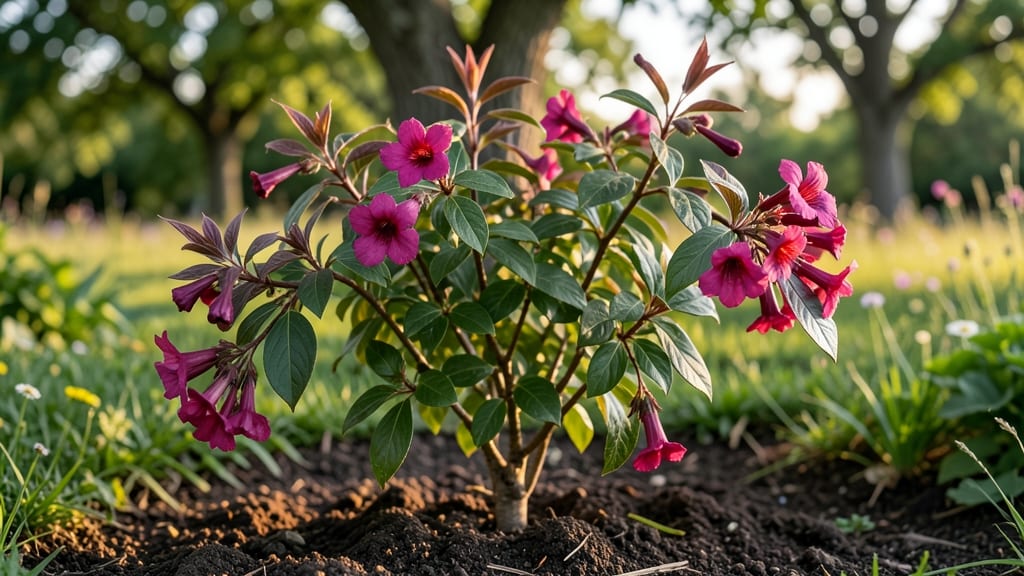
Weigela flowers bloom in late spring to early summer 🌸, turning your garden into a riot of color when timed just right.
If you’ve ever wondered why your Weigela shrub isn’t bursting with vibrant blooms—or when to expect that stunning floral display—timing is everything.
Weigela’s flowering schedule varies dramatically by climate zone, and knowing the exact months for your USDA region can mean the difference between a showstopper garden and a missed opportunity.
In USDA Zone 6a, where most gardeners grow Weigela, the blooms typically appear in May and June, though early varieties can start as soon as April in warmer microclimates. Cooler regions might see flowers slightly later, while southern zones could enjoy an extended display into early July.
Discover how sunlight, pruning, and soil health can shift your Weigela’s bloom time by weeks—and how to create the perfect conditions for a longer, brighter flowering season.
Weigela flowering timeline by USDA hardiness zones
Understanding Weigela's flowering schedule is key to enjoying its stunning trumpet-shaped blooms year after year. This deciduous shrub thrives in USDA Zones 4-9, but the exact bloom timing shifts dramatically depending on your region.
In cooler zones like Zone 4, expect flowers to appear later, while Zone 9 gardeners often see earlier blooms. Temperature shifts trigger these blooms, making late winter and spring the most critical seasons.
Most Weigela varieties bloom on new wood, meaning they produce flowers on current season's growth rather than old stems. This adaptability allows gardeners to extend bloom periods through proper pruning and care.
Whether you're growing 'Wine and Roses', 'Alexandra', or 'Midnight Wine', timing your maintenance correctly can make all the difference in maximizing those vibrant displays.
Temperature thresholds play a crucial role in Weigela's flowering. Most varieties need consistent daytime temperatures above 50°F to trigger bud formation. In Zone 5-6, this typically happens in late April to early May, while Zone 7-9 plants may start as early as March. Late frosts can delay blooms, so protecting young plants in cooler zones is essential for timely flowering.
| USDA Zone | Early Blooms | Peak Blooms | Late Blooms | Key Varieties |
|---|---|---|---|---|
| Zone 4 | Late May | June | Early July | 'Wine and Roses' |
| Zone 5 | Early May | May-June | Late June | 'Midnight Wine' |
| Zone 6 | Late April | May-June | Early July | 'Alexandra' |
| Zone 7 | March-April | April-May | June | 'Ruby Glow' |
| Zone 8 | February-March | March-April | May | 'Carpet Dweller' |
| Zone 9 | January-February | February-March | April | 'Wine and Roses' |
In Zone 4, where winters are harsh, Weigela typically blooms late May through June, often coinciding with the last frost date. The variety 'Wine and Roses' is particularly reliable in these conditions, producing pink and red blooms that attract hummingbirds.
Gardeners in Zone 5 see a slightly earlier display, with early May marking the start of the flowering season.
For those in Zones 6-7, the show begins even earlier, with late April being a common starting point. The variety 'Alexandra' is a standout here, offering bright pink flowers that create a stunning contrast against its dark foliage.
In these zones, you can often extend blooms into early July by providing consistent moisture and avoiding heavy pruning before flowering.
Warmer climates like Zones 8-9 offer the earliest blooms, with some varieties like 'Carpet Dweller' starting as early as February. These regions benefit from longer bloom periods, often lasting until May or June.
The key to success here is light pruning in late winter to encourage new growth while maintaining the plant's natural shape.
To extend Weigela's bloom period, focus on late winter pruning (just before buds swell) rather than cutting back after flowering.
How to predict Weigela blooming time based on your climate
Predicting when your Weigela will flower starts with understanding your USDA hardiness zone and local frost dates. These shrubs typically bloom in late spring to early summer, but exact timing shifts based on temperature fluctuations and regional weather patterns.
For example, gardeners in Zone 5 might see blooms in early June, while those in Zone 8 could enjoy flowers as early as April.
Your last frost date is another critical factor. Weigela needs consistent warmth to trigger flowering, so if your area experiences late frosts, expect blooms to arrive later. Check your local National Weather Service records or use tools like the Old Farmer’s Almanac to pinpoint your frost-free window.
This helps you adjust expectations and plan your garden layout accordingly.
🌱 Weigela Blooming Timeline by Climate
Zone 4-5: Blooms late May to June after consistent warmth.
Zone 6-7: Peak blooms in May-June, with some varieties extending into July.
Zone 8-9: Early blooms in April-May, sometimes with a second flush in fall.
💡 Pro Tip: Southern zones may see longer bloom periods due to milder winters.
Don’t overlook microclimates in your garden. A sunny, sheltered spot might trigger blooms 2-3 weeks earlier than a shadier or windier area. For instance, a south-facing wall can create a warmer microclimate, encouraging earlier flowering.
Observe how other plants in your garden bloom—if lilacs or azaleas flower early, your Weigela likely will too.
Plant maturity also plays a role. Younger Weigela shrubs may bloom later as they focus energy on root and stem growth. A 3-year-old plant typically flowers more reliably than a 1-year-old.
If your shrub is still young, give it patience—consistent care will reward you with vibrant blooms in future seasons. Track your plant’s growth stages to anticipate flowering more accurately.
Local botanical gardens and Cooperative Extension offices often publish regional bloom records. These resources can provide real-world data on when Weigela varieties in your area typically flower.
For example, the Chicago Botanic Garden might report that their Weigela ‘Wine and Roses’ blooms in early June, giving you a benchmark for your own garden in Zone 5.
Finally, adjust your pruning schedule to optimize bloom timing. Prune right after flowering to encourage next year’s blooms, but avoid heavy cuts in late summer or fall, which can delay spring growth.
By aligning your care routine with your climate’s natural rhythms, you’ll create the perfect conditions for timely, abundant blooms every season. 🌿