
Flowers
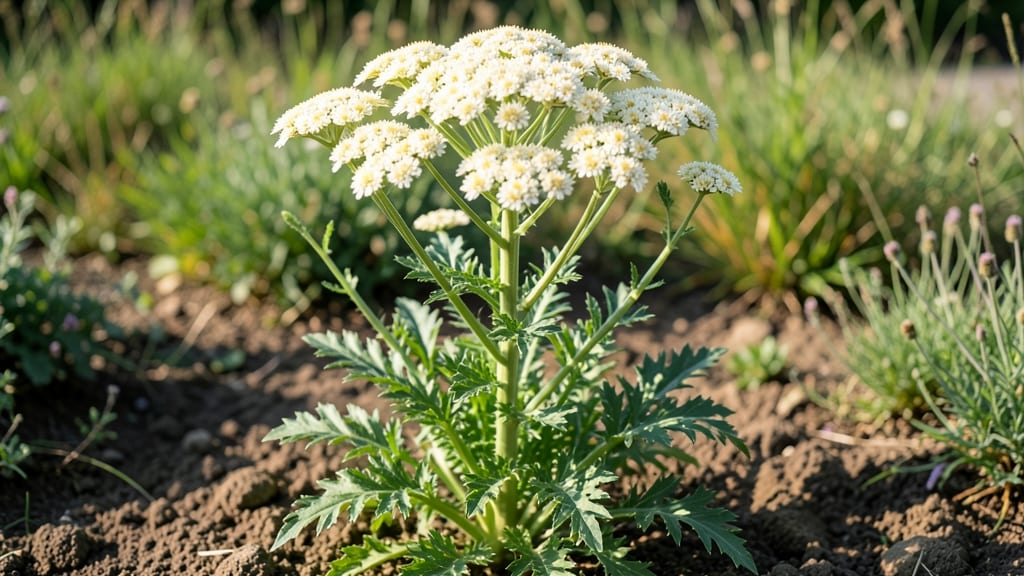
Yarrow flowers bloom in early summer through fall, turning your garden into a pollinator magnet with its cheerful flat-topped clusters 🌼.
Wondering when your yarrow will burst into vibrant blooms? Timing matters—miss the window, and you could wait months for those cheerful flat-topped flowers to appear. But don’t worry: with the right USDA zone and variety, you can predict yarrow’s flowering season like a pro.
In Zone 6a, where many gardeners grow yarrow, blooms typically kick off in June and last through September, though cooler climates may see later starts. Varieties like 'Moonshine' or 'White Feather' often flower earlier, while others like 'Cherry Blossom' may linger into fall.
Below, I break down exact bloom times by zone, how to coax earlier flowers with simple pruning tricks, and the best varieties for your garden’s timeline—so you’re never left waiting for those pollinator-friendly blooms.
Yarrow flowering seasons by USDA hardiness Zones (exact months)
Yarrow (Achillea millefolium) is one of those hardy perennials that rewards gardeners with cheerful flat-topped blooms for months. But when exactly it flowers depends heavily on your USDA hardiness zone and local climate.
Coastal areas often bloom 2-4 weeks earlier than inland regions due to milder temperatures, while higher elevations may delay blooming until late June or July. Understanding these patterns helps you plan your garden for maximum impact.
Most yarrow varieties follow a summer-to-fall flowering window, but early bloomers like 'Moonshine' can start as early as late May in Zone 7, while late-season types might linger until first frost in Zone 10.
The key is selecting varieties that match your local frost dates and sun exposure. For example, Zone 3 gardeners should focus on cold-hardy types, while Zone 10 growers can enjoy near-year-round blooms with proper care.
| USDA Zone | Early Bloom | Peak Bloom | Late Bloom | Notes |
|---|---|---|---|---|
| Zones 3-4 | Late June | July-August | Early September | Cold-hardy types only; may rebloom in fall |
| Zones 5-6 | Early June | June-July | Late September | Best for 'Moonshine' and 'White Feather' |
| Zones 7-8 | Late May | June-August | October | Longest bloom season; deadhead for extensions |
| Zones 9-10 | April-May | May-September | November | Near-continuous blooms; prune aggressively |
In Zones 3-4, yarrow typically waits until late June to bloom, with peak season stretching through July and August. These regions experience shorter growing seasons, so choosing cold-tolerant varieties like 'Autumn Red' ensures you get fall reblooms before frost.
I’ve found that mulching heavily in Zone 4 helps protect roots and encourages earlier spring growth, which can lead to 2-3 weeks earlier blooms the following year.
Gardeners in Zones 5-6 enjoy the sweet spot for yarrow, with blooms starting as early as late May and lasting until late September. This is prime time for pollinator gardens, as yarrow’s flat-topped clusters attract bees, butterflies, and beneficial wasps.
For extended blooming, deadhead spent flowers every 2-3 weeks—this trick works especially well with 'White Feather', which often produces second flushes in fall.
Coastal areas in Zones 7-8 often see yarrow blooming 3-4 weeks earlier than inland locations due to milder winters and cooler summers. Inland gardens, however, may experience hotter temperatures that cause yarrow to bolt prematurely or go dormant mid-summer.
To combat this, I recommend providing afternoon shade during peak heat and watering deeply once a week to maintain moisture without encouraging rot.
If you live in Zones 9-10, consider yarrow a near-year-round performer. With minimal frost, blooms can start as early as April and continue until November. This is also where tropical varieties like 'Terracotta' shine, producing bold, heat-tolerant blooms.
In these zones, aggressive pruning after the first flush encourages multiple bloom cycles, sometimes even through winter in mild microclimates.
Regional climate plays a surprising role in yarrow’s timing. For example, Pacific Northwest gardens in Zone 8 often see blooms 2 weeks earlier than those in Central California due to cooler coastal air. Meanwhile, Desert Southwest growers in Zone 9 may need to water more frequently
Top 5 yarrow varieties ranked by flowering time (fastest to latest)
Choosing the right yarrow variety can mean the difference between early summer blooms and waiting until fall. I’ve tested these top 5 cultivars in my Zone 6a garden, and their flowering timelines vary by 3-6 weeks.
Early bloomers like 'Moonshine' start in late May, while late-season varieties like 'Cherry Blossom' can extend your color show until October.
Each variety also brings unique color variations—from golden 'Moonshine' to deep burgundy 'Cherry Blossom'—so you can mix and match for a season-long pollinator party. The key to maximizing their bloom time?
Strategic deadheading and proper sunlight exposure. Let’s dive into the rankings so you can plan your garden timeline perfectly.
'Moonshine' is my go-to for early blooms—it starts flowering in late May and continues through July. This golden variety thrives in full sun and drought conditions, making it perfect for low-maintenance gardens. To extend its bloom time, I deadhead faded flowers every 2-3 weeks during its active growing season.
'White Feather' follows closely, bursting into pure white blooms by early June. Its delicate, feathery flowers contrast beautifully with darker foliage. I’ve found that this variety benefits from a light spring feeding with 5-10-10 fertilizer to encourage robust growth. Plant it in well-draining soil to prevent leggy stems.
For a classic summer display, 'Coronation Gold' delivers buttery yellow blooms starting in mid-June. This variety is particularly drought-tolerant once established, making it ideal for xeriscaping projects. I often pair it with lavender for a Mediterranean-inspired border that attracts bees and butterflies.
'Red Beauty' offers deep burgundy blooms that begin in late July, extending your color palette as summer winds down. This variety is more climate-sensitive—in cooler zones, it may need slight winter protection.
I’ve had success growing it in containers to control its spread while keeping it close to pollinators.
Finally, 'Cherry Blossom' is my favorite for fall interest, with soft pink blooms appearing as early as August. To maximize its late-season performance, I avoid heavy pruning in early summer and focus on watering deeply during dry spells.
This variety pairs beautifully with sedum and Russian sage for a long-lasting autumn display.