
Flowers
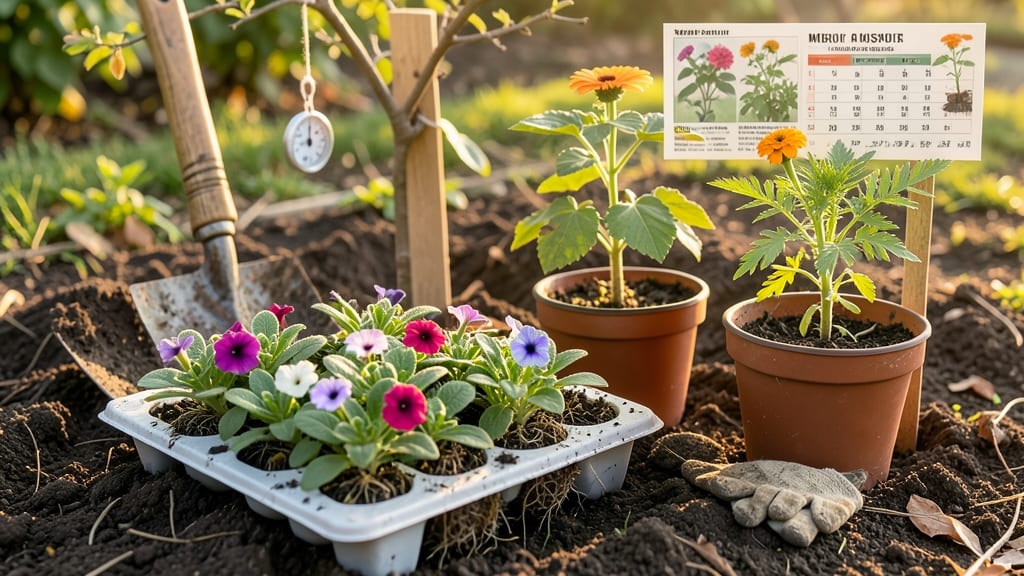
It is safe to plant flowers in Missouri once the average last frost date has passed — typically between mid-April and late May, depending on your county.
Missouri gardeners know timing is everything — plant too early, and frost will kill your delicate blooms; wait too long, and you’ll miss peak flowering season. But with USDA zones 5b-6a and regional climate shifts, figuring out the perfect window can feel like guessing.
From St. Louis’s urban heat islands to the cooler valleys of the Ozarks, each area has its own frost risks. Some flowers, like pansies and snapdragons, can handle a light frost, while others, like petunias, need soil temperatures above 50°F to thrive.
Below, I break down the exact dates by region, share strategies for adjusting to microclimates, and highlight the best early-blooming flowers for Missouri’s short growing season — so you can plant with confidence and enjoy months of vibrant blooms.
Missouri’s last frost dates by region: when to plant flowers safely
Missouri’s diverse climate zones mean your last frost date could vary by 3 weeks depending on where you live. In northern Missouri, gardeners often wait until mid-May to plant tender flowers, while St. Louis gardeners can start as early as mid-April.
These regional differences determine whether your marigolds or petunias thrive or wither.
Understanding your local last frost date is critical because planting too early risks frost damage, while waiting too long may shorten your blooming season.
Missouri’s USDA Zones 5b-6a create microclimates where hardy annuals like pansies can survive early springs, but tender perennials like geraniums need warmer soil to establish roots.
Below, I’ve broken down last frost averages for Missouri’s 5 key regions, including county-specific data for popular gardening areas. Use this as your planting timeline guide—but always check your local weather forecast for real-time updates, as frost can linger 1-2 weeks later than averages.
🌱
In northern Missouri, where frost lingers until May 5, I recommend waiting until May 10 to plant tender annuals like geraniums. These areas often experience late-season freezes, so hardy annuals such as pansies and snapdragons are safer bets for early spring color.
For St. Louis and Kansas City, where last frost averages April 10–20, you can start cool-season flowers like violas and calendula as early as mid-April. However, heat-loving flowers such as impatiens and begonias should wait until May 1 to avoid frost damage.
If you’re in central or southern Missouri, where last frost occurs by April 15, you have a 2-week
How to adjust planting times for Missouri’s microclimates and frost risks
Missouri’s diverse geography means your neighbor’s last frost date might be weeks apart from yours. Urban heat islands in St. Louis can be 5–10°F warmer than rural areas, while river valleys like the Missouri Bootheel hold cold air longer.
Even within your city, a south-facing slope warms up faster than a shady north side. These microclimates can shift your planting window by 2–4 weeks, so knowing how to adjust is key.
For heat-loving flowers like petunias and marigolds, which need soil temperatures above 55°F, timing is critical. Planting too early in cooler microclimates can stunt growth or invite disease, while waiting too long in warm urban pockets may lead to bolting or poor flowering.
The solution? Use soil thermometers, row covers, and cold frames to fine-tune your schedule.
⚠️ callout warning ⚠️
Don’t rely on calendar dates alone! Even after the average last frost, late-season freezes can sneak in. Check:
- Soil temp: Use a thermometer—50°F+ for most flowers, 55°F+ for heat-lovers.
- Night temps: Wait until lows stay above 40°F for 5+ nights.
- Local alerts: Sign up for Missouri Climate Center frost watches.
Start by identifying your microclimate type. Urban gardens with pavement and buildings retain heat, allowing you to plant marigolds or zinnias 1–2 weeks earlier than rural areas. Conversely, valleys and low-lying spots near rivers or lakes may need a 2-week delay due to lingering cold.
High-elevation areas, like those near the Ozark Mountains, often have later last frosts—sometimes as late as May 15.
Extend your growing season with protective covers. A floating row cover (like Reemay) can add 4–6°F of warmth, letting you plant petunias or geraniums 2 weeks earlier in cooler zones.
For a longer extension, use a cold frame or mini greenhouse to start seeds indoors 6–8 weeks before the last frost. Even a black plastic mulch can warm soil by 5–8°F, speeding up germination.
Monitor soil temperature daily with a $10 soil thermometer—it’s more accurate than air temperature. For example, cosmos seeds need 60°F+ soil to germinate, while pansies can handle 45°F. If temps dip, use a heat mat under seed trays.
Pro tip: Morning sunlight on dark soil raises temps faster than afternoon shade, so orient your beds south-facing for maximum warmth.
Adjust your flower selection based on microclimate risks. In high-risk frost zones, opt for biennials like foxgloves or perennials like coneflowers, which establish roots early and rebound after cold snaps. For urban heat islands, choose heat-tolerant annuals like celosia or sunflowers, which thrive in 90°F+ temps.
Always group tender flowers together near a south-facing wall to create a microclimate of their own.
Test your adjustments with a trial planting. Dedicate a small bed to fast-growing flowers like bachelor’s buttons or nasturtiums—they bloom in 4–6 weeks, giving you real-time feedback. If they thrive, you’re ready for longer-season bloomers like dahlias or roses.
If not, delay by 1–2 weeks and try again. With these strategies, you’ll maximize blooms and minimize frost damage—no matter where you garden in Missouri.