
Pruning
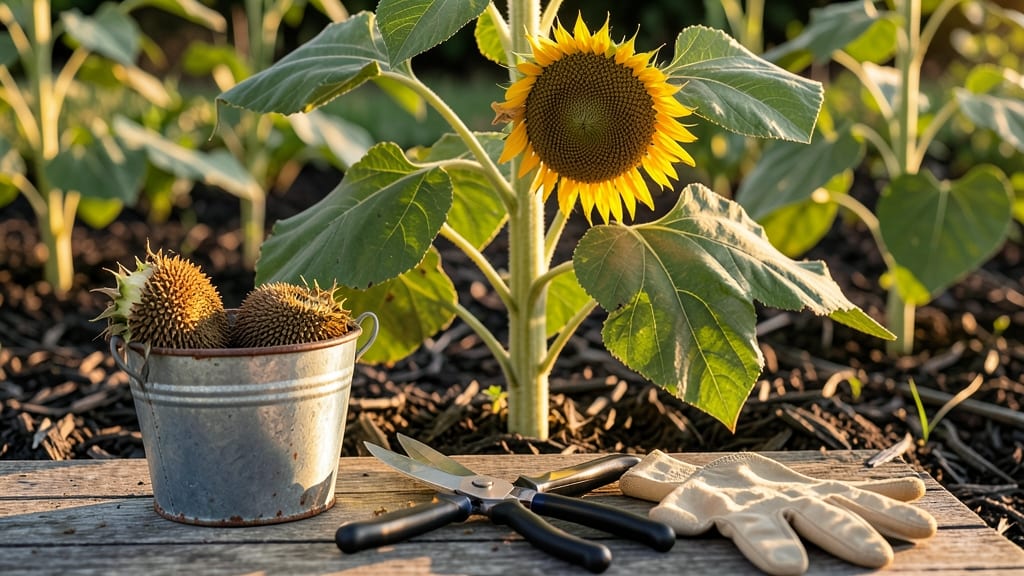
Cutting your sunflower heads off at the right time ensures you save seeds for next year’s garden—and avoids wasting blooms to pests or frost.
Picture this: you’ve nurtured your 🌻 sunflowers all summer, only to watch birds or squirrels strip the seeds before you’re ready. Or worse, you cut too early and end up with shriveled, unusable seeds.
Timing is everything, and the best window is when the seed heads turn brown and dry but before they scatter.
In USDA Zone 6a, that usually means late August to early September—just before the first frost. But don’t guess: look for fully dried petals and a papery seed head. Miss this, and you risk losing your seeds to weather or wildlife.
Below, I’ll walk you through the exact steps to harvest, dry, and store your sunflower seeds—plus how to spot common mistakes that ruin your crop. Ready to turn those golden blooms into next year’s seedlings?
The perfect time to harvest sunflower heads for seed saving
Timing is everything when it comes to harvesting sunflower heads for seed saving. Cut too early, and the seeds won't mature properly. Wait too long, and birds or frost will ruin your hard work.
The ideal window is when the back of the sunflower head turns from green to dry brown, signaling the seeds are ready for harvest.
Look for fully open petals that have turned brown and begun to droop. Inside, the seeds should be plump and dark-colored, not green or soft. This usually occurs 60-90 days after planting, depending on the variety and growing conditions.
Environmental factors play a crucial role. Harvest when temperatures are consistently dry and above 50°F (10°C) to prevent mold. Early morning is the best time to cut, as the heads are firm and dry from overnight dew evaporation.
🌻
| Harvest Stage | Visual Cues | Environmental Conditions | Action |
|---|---|---|---|
| Early Bloom | Petals fully open, yellow | Warm, sunny days | Wait 4-6 weeks |
| Seed Development | Back of head turns brown | Dry, warm weather | Monitor daily |
| Peak Harvest | Seeds dark, petals brown | Morning, dry conditions | Cut immediately |
| Late Harvest | Seeds loose or moldy | Humid, rainy weather | Avoid cutting |
Pay close attention to the seed color inside the head. Viable seeds will be dark brown or black, while immature seeds remain green or light-colored. Gently open a few seeds to check their readiness—if they're still soft or green, wait a few more days.
Regional climate matters too. In warmer zones (USDA 8-10), harvest may occur as early as late July. In cooler zones (USDA 3-6), wait until late August or early September to avoid early frost damage.
Never cut sunflower heads during rainy periods or when humidity is high, as moisture can cause mold or premature seed loss. Aim for clear, sunny days with low humidity for the best results.
🌾
Pro tip: Use a sharp pruning shears to cut the head cleanly, leaving 1-2 inches of stem attached. This makes hanging and drying much easier. Label your heads with the variety name and harvest date to track seed maturity.
If you miss the perfect window, don't panic! Even slightly underripe seeds can mature if left on the plant. However, overripe seeds may shatter or attract pests, so timing is key for high-quality seed saving.
Step-by-step guide: how to cut sunflower heads without damaging the plant
Once your sunflower petals have fully opened and turned brown, it’s time to harvest the seed heads—but timing and technique matter. Cutting too early means immature seeds that won’t sprout, while waiting too long risks bird damage or mold.
The key is a clean cut that preserves the plant’s energy for next season’s growth.
Use sharp pruning shears or a clean knife to avoid crushing stems. Always cut 2–3 inches below the head to include the seed stalk, which helps with drying. Remove only 10–20% of the plant’s heads at once to avoid stressing the remaining blooms.
Harvest when petals turn brown and the back of the head turns yellow-brown. Press a seed—if it’s hard and dry, it’s ready. Avoid cutting if seeds are still soft or green.
Grab sterilized pruners or a sharp knife. Cut the stem at a 45-degree angle, leaving 2–3 inches of stalk attached to the head. This prevents moisture loss during drying.
Hanging Method: Tie heads upside down in a dry, dark place (like a garage) with twine. Let dry for 2–4 weeks until seeds rattle when shaken. Flat Drying: Lay heads on a paper-lined tray in a well-ventilated spot for 1–2 weeks. Stir seeds daily to prevent mold.
Once fully dry, rub seeds into a paper bag to remove chaff. Store in an airtight container in the freezer for up to 5 years or a cool, dark place for 1–2 years.
Cover drying heads with mesh bags or cheesecloth to block birds. Check for webbing or holes (signs of pests) and treat with neem oil if needed.
After cutting, leave the stem stubs on the plant to regrow—some varieties produce secondary blooms! If your climate is humid, dry seeds indoors with a fan on low to speed up the process. Avoid plastic bags, as they trap moisture and cause mold.
Pro tip: Label your seed containers with the variety name and harvest year. I once mixed up Mammoth Russian seeds with Teddy Bear varieties—don’t make my mistake! Store seeds in glass jars for better air circulation.
With these steps, you’ll preserve viable seeds for next season while keeping your sunflowers healthy and productive. Happy harvesting! 🌾