
Flowers
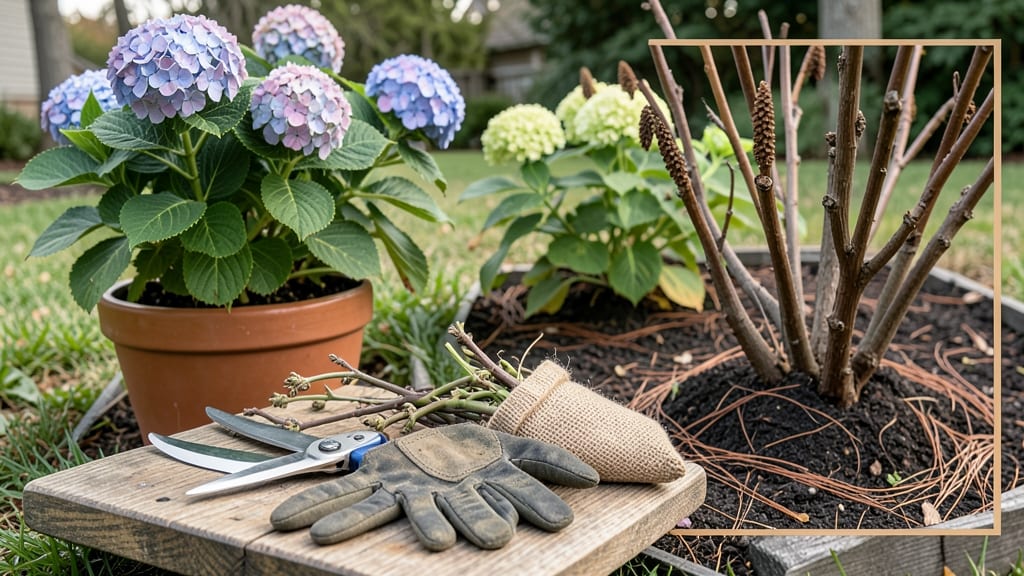
Cutting hydrangea flowers at the right time ensures bigger, showier blooms next season — and the window is narrower than you think.
Picture this: You’ve just admired your 🌸 hydrangeas at their peak, but by next summer, they’re half the size. That’s because pruning too early or too late can rob your plant of next year’s buds.
The key is knowing whether your hydrangea blooms on old wood (last year’s stems) or new growth — and when to snip for maximum impact.
Most gardeners wait until late winter or early spring, but that’s only half the story. If your hydrangea is a mophead or lacecap, timing matters even more. Cutting back too soon can mean no flowers at all, while waiting too long risks stunted growth.
I’ll walk you through the exact steps, from identifying your type to the best tools for the job — so you can prune with confidence and wake up to a garden full of color.
Ready to transform your hydrangeas from meh to wow? Let’s dive into the pruning schedule that’ll have your neighbors asking for your secrets.
When to cut hydrangea flowers by type: old vs new wood bloomers explained
Hydrangeas are stunning additions to any garden, but their pruning needs vary wildly depending on whether they bloom on old wood or new growth. Cutting at the wrong time can mean skipping next year’s blooms entirely—so timing is everything.
Let’s break down the key differences and when to reach for those pruners.
First, understand the bloom cycle. Hydrangeas that flower on old wood (like mophead and lacecap varieties) set buds in late summer or fall, meaning you must wait until after blooming to prune.
On the other hand, new wood bloomers (like panicle and smooth hydrangeas) produce flowers on current season’s growth, so they can handle pruning in late winter or early spring.
Here’s the game-changer: skipping this step can leave you with leggy, sparse plants or, worse, no flowers at all. Let’s dive into the exact timing for each type, so you can keep your hydrangeas thriving and blooming like a pro.
| Hydrangea Type | Blooms On | Best Pruning Time | Visual Cue | What to Cut |
|---|---|---|---|---|
| Mophead (Bigleaf) | Old Wood | Late Summer/Early Fall (After Blooming) | Dried flower heads | Dead blooms only |
| Lacecap (Bigleaf) | Old Wood | Late Summer/Early Fall (After Blooming) | Wilted center blooms | Dead flowers + weak stems |
| Oakleaf | Old Wood | Late Summer/Early Fall (After Blooming) | Brown seed heads | Dead blooms + 1/3 of oldest stems |
| Panicle | New Wood | Late Winter/Early Spring (Before Buds Swell) | Dormant branches | 1/3 of oldest stems |
| Smooth | New Wood | Late Winter/Early Spring (Before Buds Swell) | No visible buds yet | 1/3 of oldest stems |
If you’re unsure whether your hydrangea blooms on old or new wood, check the flowering pattern. Old wood bloomers (like mophead and lacecap) produce buds on last year’s stems, while new wood bloomers (like panicle and smooth) grow flowers on current season’s growth.
This distinction is key to avoiding pruning mistakes.
For old wood bloomers, wait until late summer or early fall after the flowers have faded. This ensures you don’t accidentally remove next year’s buds. Simply cut back the dead flower heads and any weak stems, but leave the rest of the plant intact.
This encourages a stronger bloom cycle for the following season.
On the other hand, new wood bloomers can be pruned in late winter or early spring, just as new growth begins. This is the perfect time to shape the plant and remove up to one-third of the oldest stems.
Pruning now stimulates fresh growth, leading to fuller, healthier plants and more abundant blooms.
Regional differences matter too. In warmer climates (like Zones 8-10), you might prune old wood bloomers in early spring instead of fall to avoid heat stress. Always adjust based on your local frost dates and microclimate. A quick check of your last frost date will help you time pruning perfectly.
One common mistake is pruning old wood bloomers too early, which can strip away next year’s flowers. Conversely, waiting too long to prune new wood bloomers can lead to overcrowded stems and fewer blooms.
Pay attention to the visual cues—like dried flower heads or swollen buds—to guide your timing.
Pro tip: Use sterilized pruners to avoid spreading disease, and always make clean cuts at a 45-degree angle just above a leaf node. This promotes faster healing and healthier regrowth. With the right timing and technique, your hydrangeas will reward you with bigger, brighter blooms year after year.
Step-by-step guide to pruning hydrangeas after blooms for maximum growth
Pruning hydrangeas after blooms is your secret weapon for bigger, healthier flowers next season. The key? Timing and technique. Most hydrangeas bloom on new wood, meaning last year’s growth produces this year’s flowers.
Cutting too early or too late can stunt your plant’s potential. Here’s how to do it right for maximum growth and vibrant blooms.
Start by gathering your tools: sterilized pruning shears, sharp bypass pruners, and gloves for protection. Sterilizing your tools with rubbing alcohol prevents spreading disease between cuts.
Next, identify dead or weak stems—these are brown, brittle, or lack leaves. Remove them first to improve airflow and sunlight penetration.
- Step 1: Wait until late summer or early fall (August-September) after flowers fade but before new buds form. This ensures you don’t cut off next year’s blooms.
- Step 2: Cut 1/3 of the oldest stems at the base. Look for stems with no leaves or dried flowers—these are last year’s growth.
- Step 3: Shape the plant by trimming overcrowded branches to improve airflow. Aim for an open, rounded shape for better light exposure.
- Step 4: Remove any diseased or damaged stems immediately. Cut back to healthy green wood just above a leaf node.
- Step 5: Clean up debris and sterilize tools again to prevent fungal spread. Apply a balanced fertilizer to encourage new growth.
When pruning, avoid cutting green stems with buds—these hold next year’s flowers. For panicle hydrangeas, which bloom on new wood, you can prune more aggressively in late winter. But for mophead or lacecap types, wait until after blooms to avoid sacrificing flowers.
Common mistakes include over-pruning (cutting too much) or pruning at the wrong time. Over-pruning stresses the plant, while late-summer pruning gives it time to recover before winter. Always step back and visualize the plant’s shape—hydrangeas thrive with an open, airy structure.
After pruning, water deeply to help the plant recover. Mulch around the base to retain moisture and protect roots from temperature swings. With proper care, your hydrangeas will reward you with larger, more abundant blooms next season—worth the effort! 🌸
For overgrown hydrangeas, you can prune up to 1/3 of the plant in stages over 2-3 years. Never remove more than 30% of the foliage in one season to avoid shocking the plant. Patience and precision are key! ✂️